CHURCH OF CONSOLATION – TERCEROS

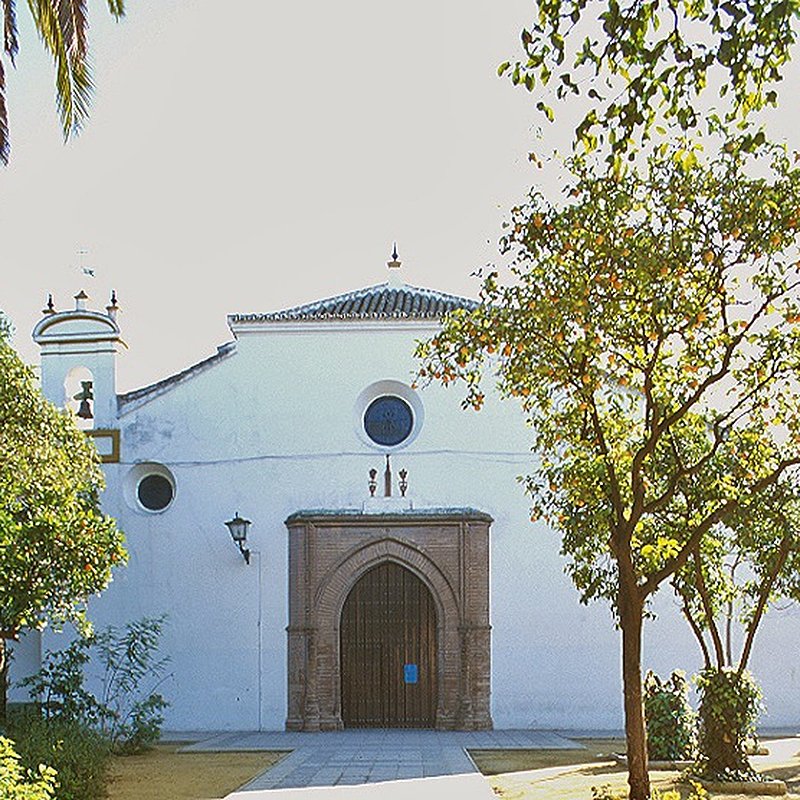
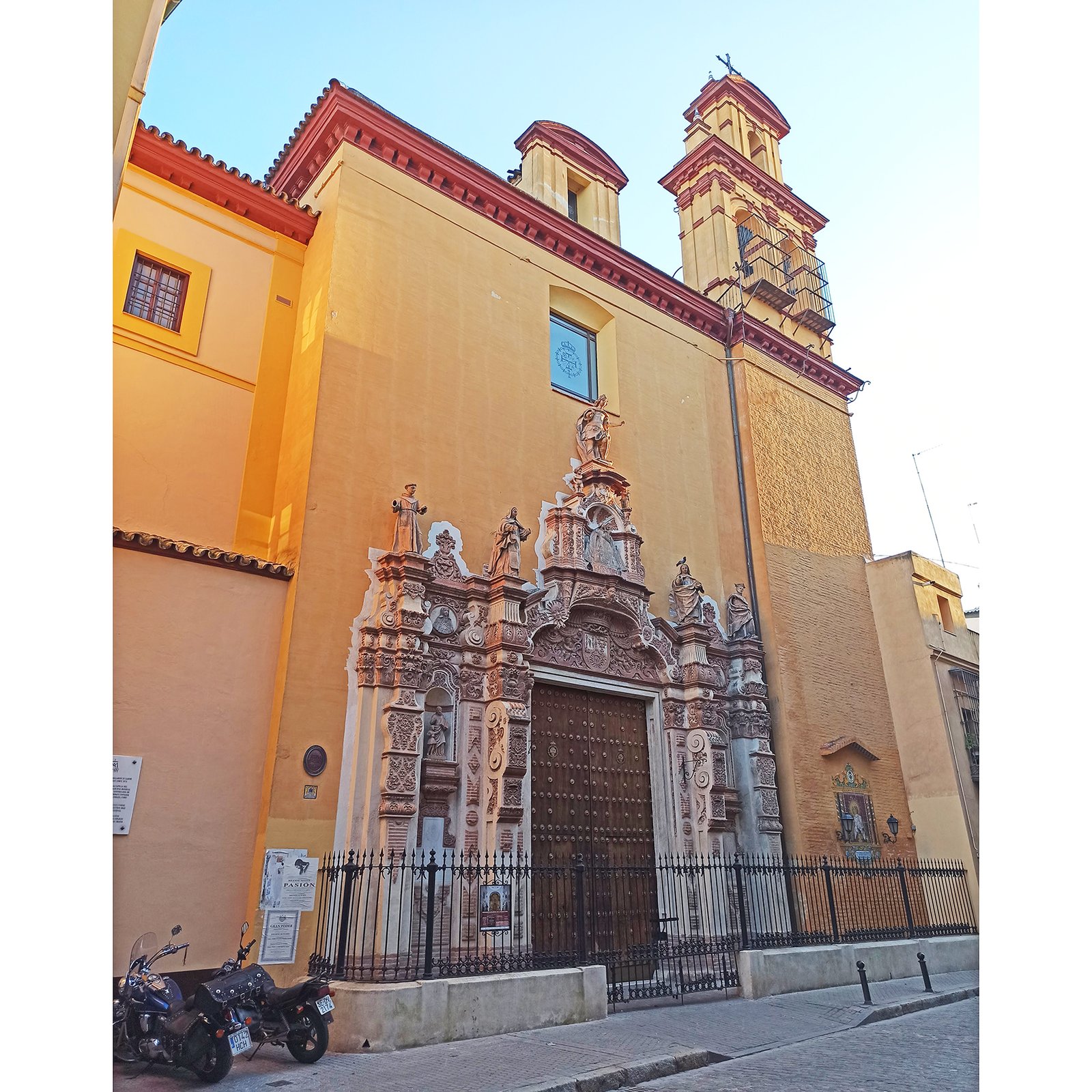
The Church of Our Lady of Consolation, generally known as "los Terceros", is a 17th century Baroque temple that stands on Calle Sol, in the Seville neighbourhood of Santa Catalina. Originally it was the church of the convent of the Third Order of Saint Francis that stood in this area and hence its popular name. It has a Latin cross plan, with a single nave and side chapels. It has only one façade on the outside, the one at the foot, which features an exuberant Baroque doorway. Since 1973 the church has been the headquarters of the Hermandad de la Cena, which processes on Palm Sunday.
History

A group of Franciscan monks belonging to the Third Order moved to Seville from the now defunct convent of San Juan de Morañina, in Bollullos Par del Condado. After arriving in the city, they settled in this area, near an old hermitage dedicated to Saints Cosme and Damián. From their previous convent in Bollullos, the monks brought an image of the Virgin of Consolation that was already greatly worshipped in its place of origin. The popularity of the image continued after its arrival in Seville, becoming the object of growing veneration among the locals. It seems that this was the seed for the construction of the convent and its church to begin in 1648, logically dedicated to the Virgin of Consolation.

The construction of the convent and its church continued until the 18th century and the Franciscans ran it until the French occupation in 1810, when the Napoleonic troops used it as a barracks and proceeded to plunder a large part of its heritage. The following year it was handed over to the Augustinian nuns and in 1819 the Franciscans returned. However, it would not last long, since in 1835 they abandoned it definitively as a consequence of the famous Mendizábal confiscation. A period of abandonment then began, the worst consequence of which was the collapse of the church vaults in 1845.
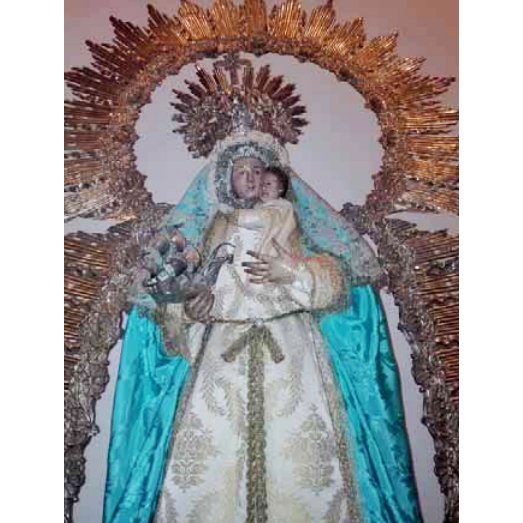
Image of the Virgin of Consolation, formerly the Virgin of Morañina. Image from the article by Adrián Bizcocho Olarte on “Popular religiosity...

A new episode in the history of this convent began in 1888 when the Piarist Fathers took charge of it, carrying out important educational work in the city. They managed it until 1973, when they moved to Montequinto. That same year, Cardinal Bueno Monreal gave the use of the convent church to the Hermandad de la Cena, which has since been responsible for its maintenance and has undertaken the various restorations that have been necessary, such as the renovation of the roofs in 1988.

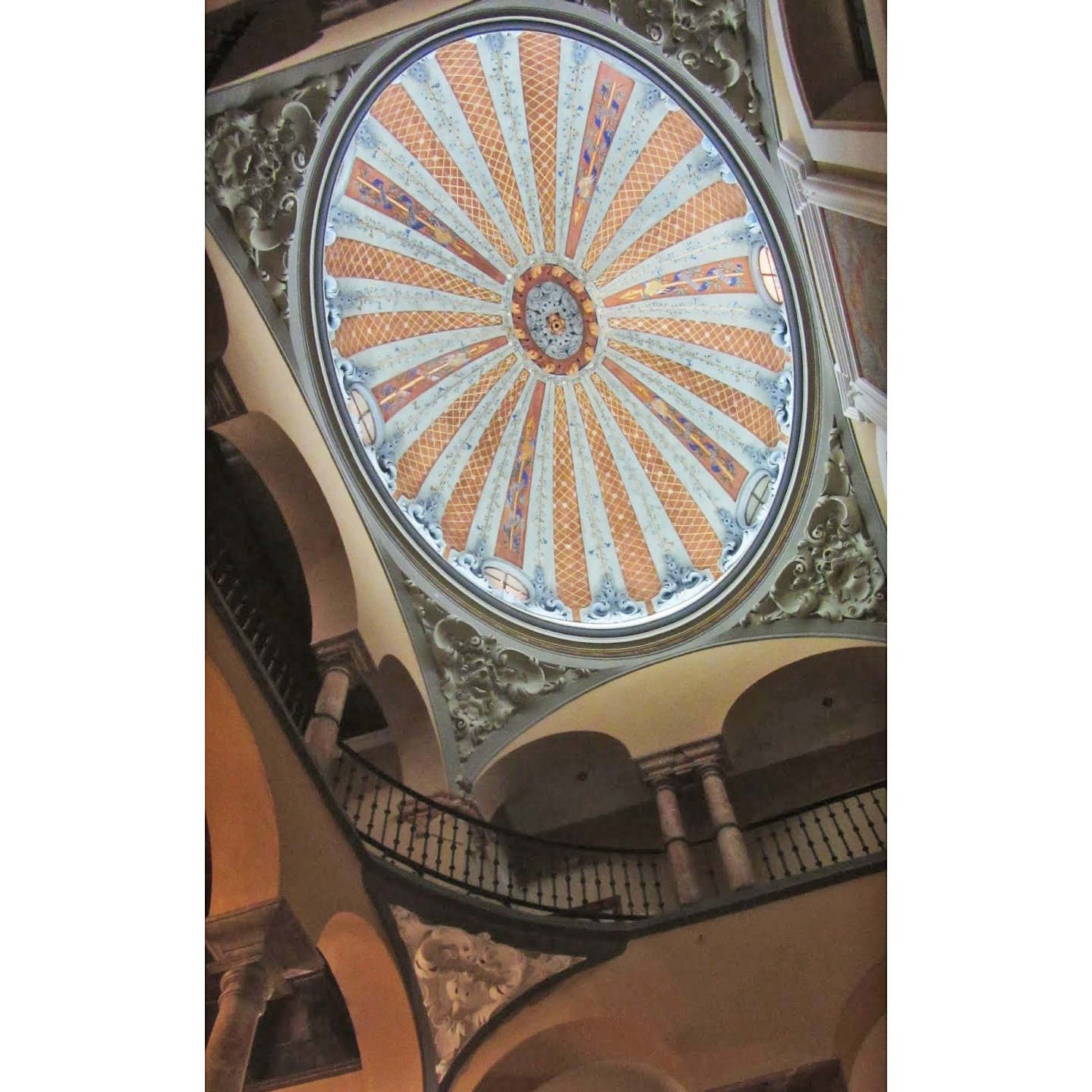
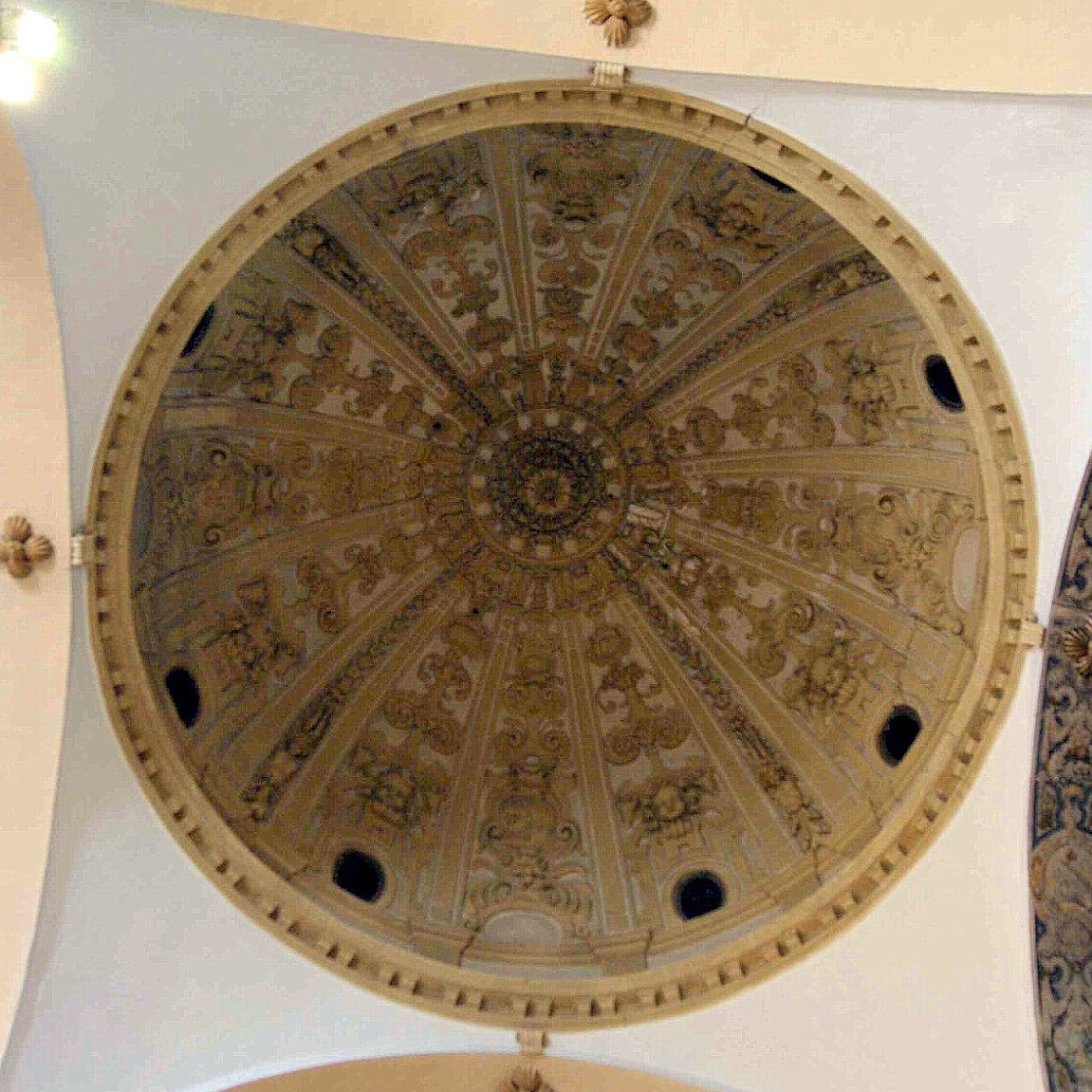
The rest of the convent currently serves as the headquarters of EMASESA, the public company for the management of water in the city. The two cloisters, the main one and a secondary one, are preserved, as well as a majestic monumental staircase designed by Fray Manuel Ramos at the end of the 17th century.
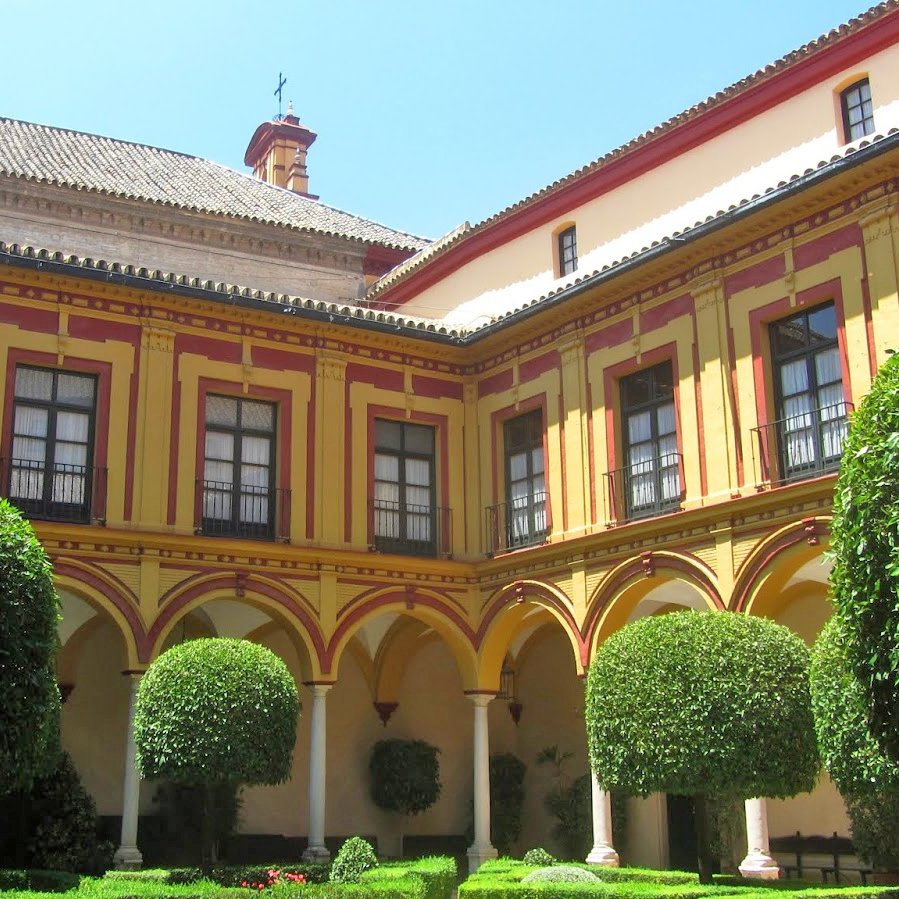
Former convent of the Terceros, today headquarters of EMASESA. Cloisters and dome over the staircase. Images from the blog Siglos de Sevilla.

Outside

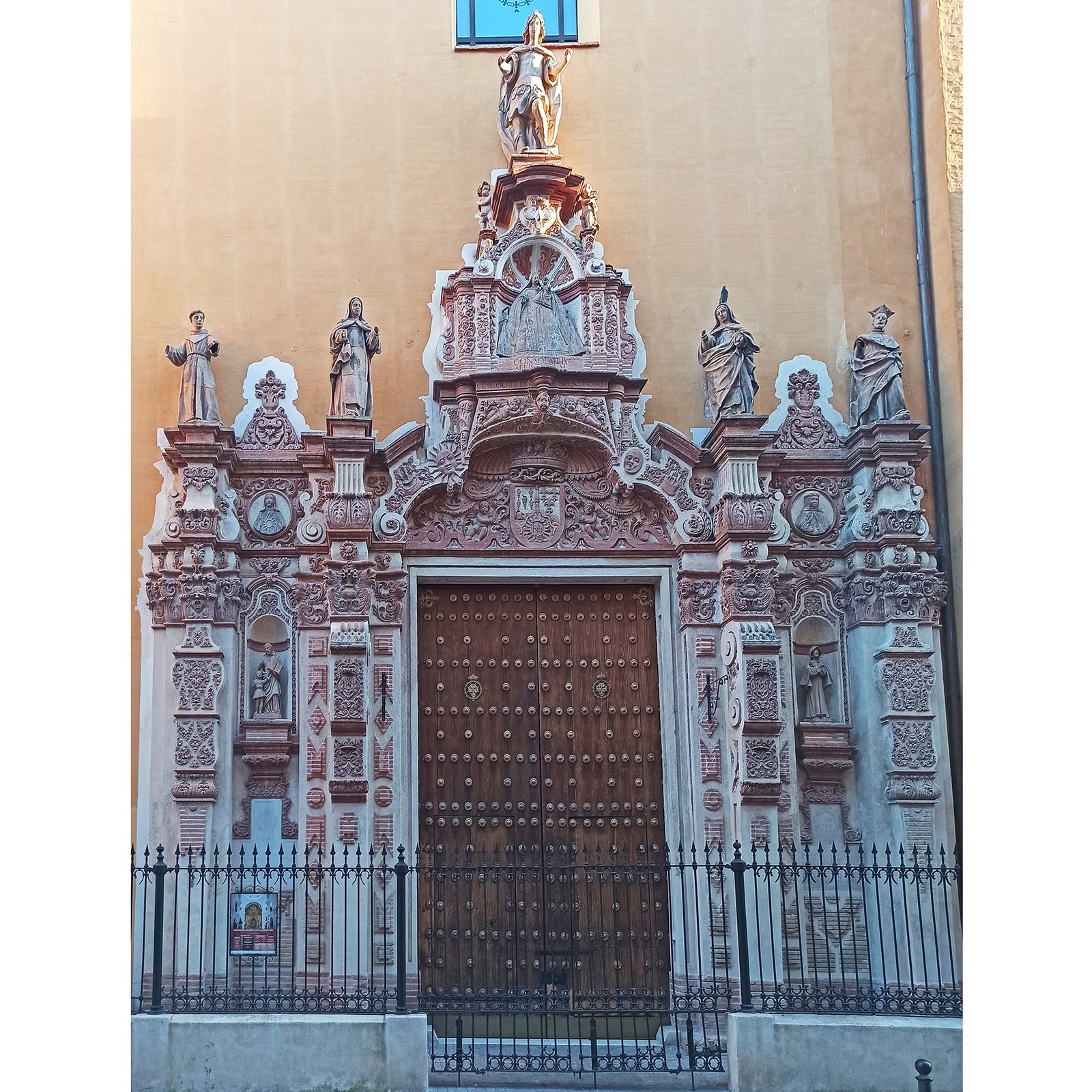
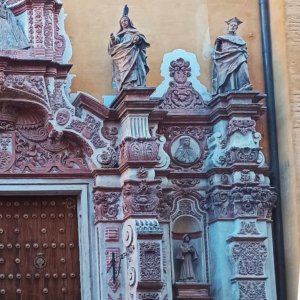
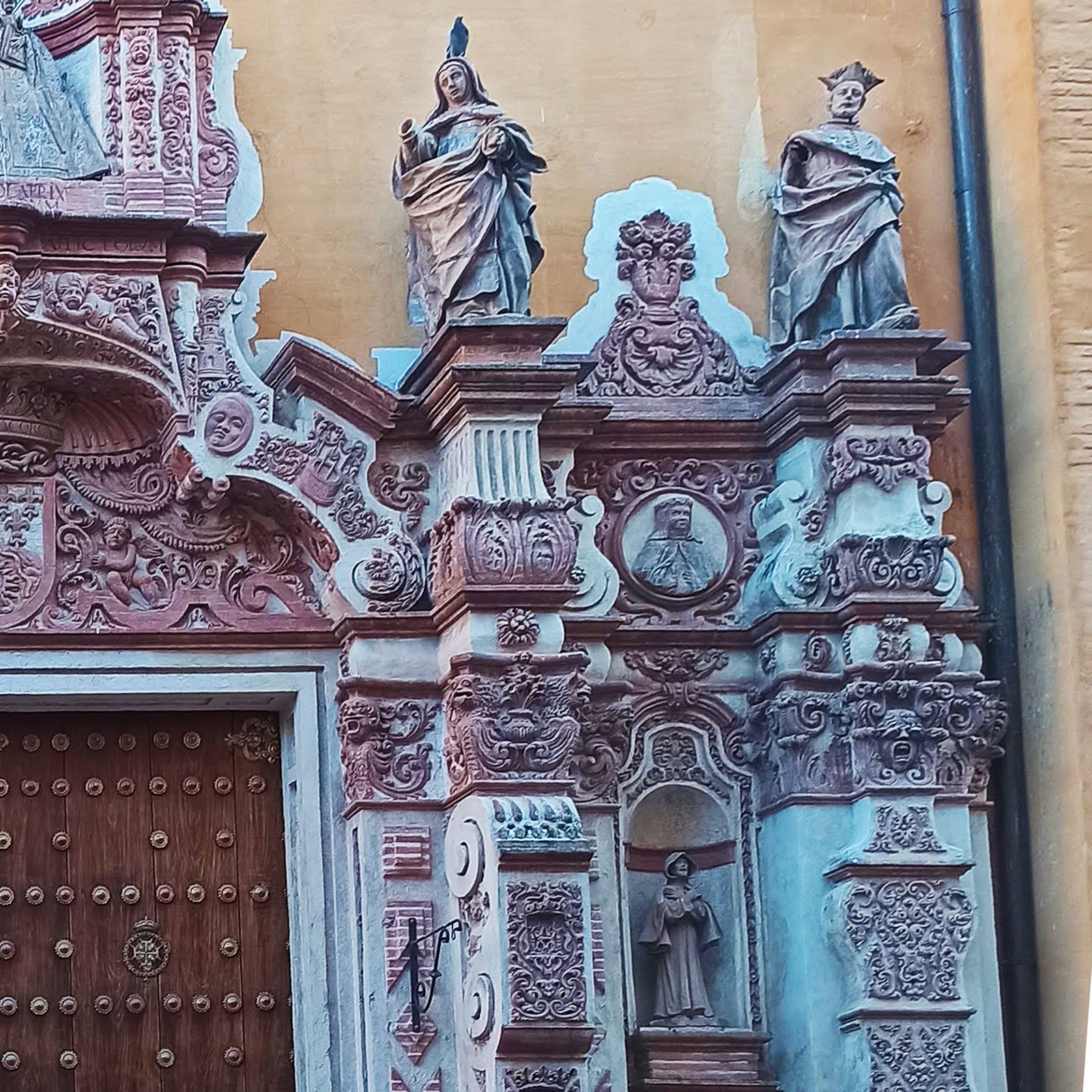
The church has only one façade, located at the foot of the temple, on Calle Sol. It has a very interesting doorway made at the beginning of the 18th century in a baroque style that is very reminiscent of the style developed at the same time in Hispanic America. The authorship of the design is unknown, although it has traditionally been attributed to Friar Manuel Ramos, the creator of the monumental staircase we mentioned when referring to the area of ​​the convent.

The doorway is arranged like a three-lane altarpiece, with the central street occupied by the lintelled opening that is the entrance to the temple itself. The decoration was made using baked clay and exposed brick, with certain characteristics that, as we said, directly allude to Hispanic American baroque: the architectural elements take on curious and imaginative shapes and are filled with meticulous decoration that includes a multitude of symbolic elements.

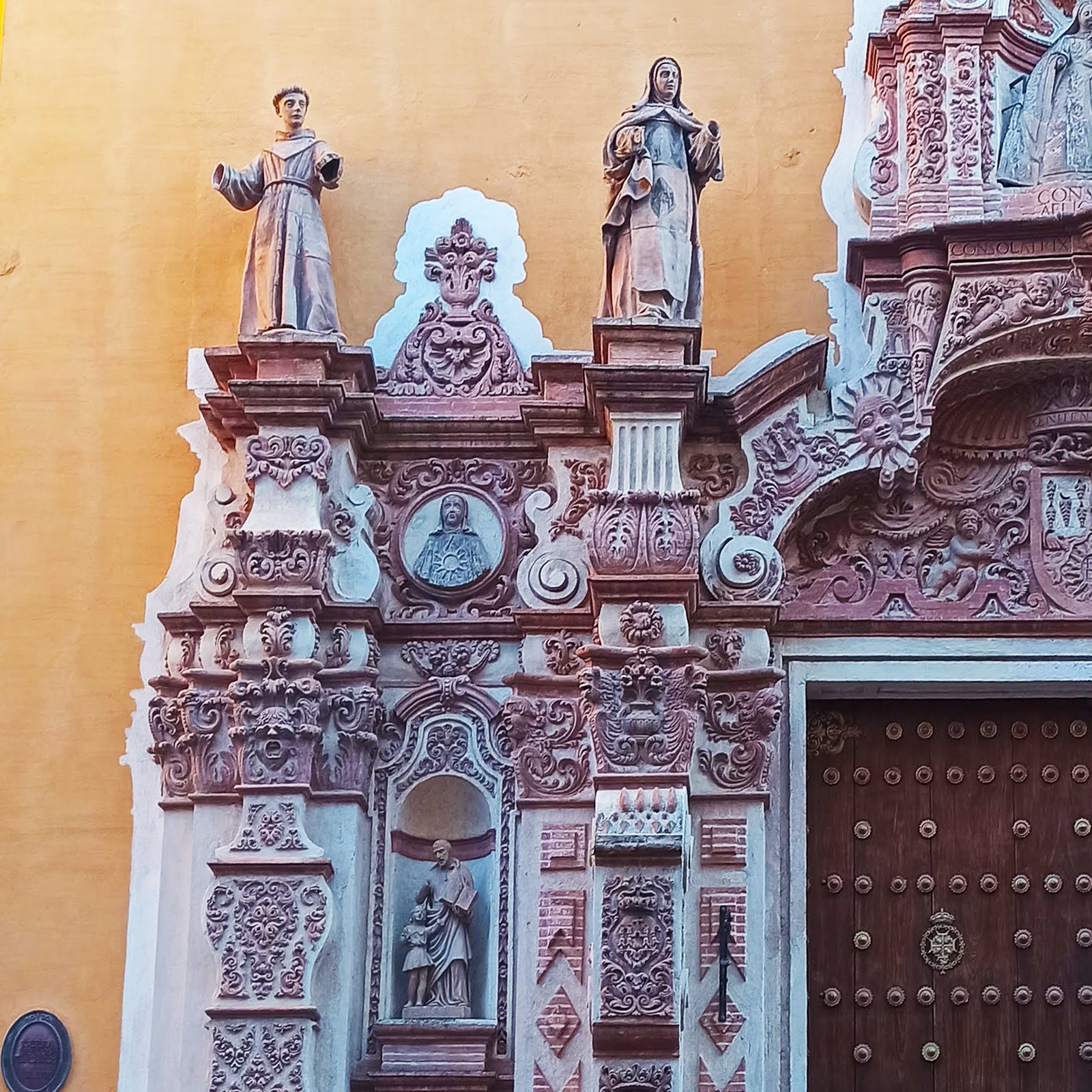
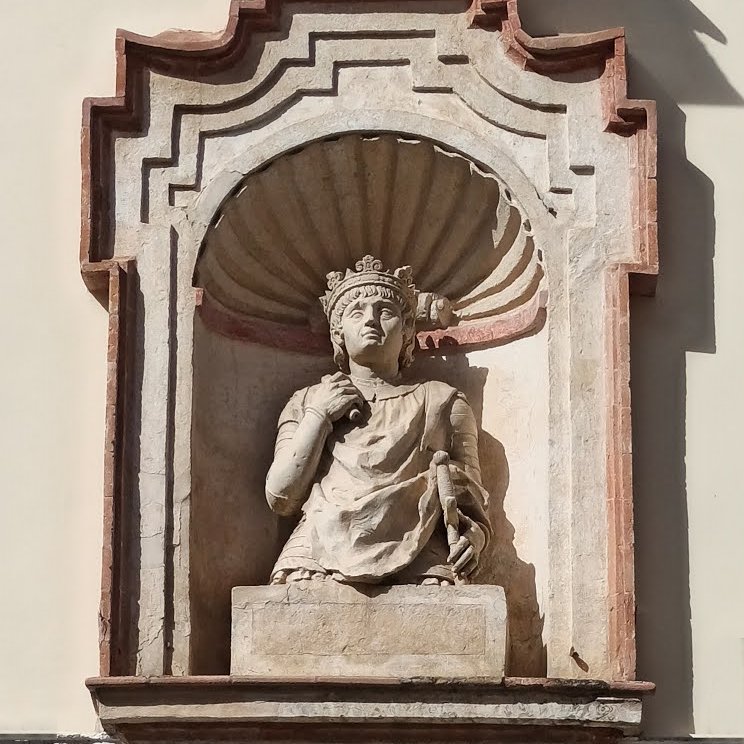
On the side streets there are two niches with the terracotta carvings of Saint Joseph of Calasanz on the left and Saint Francis on the right. The two saints allude to the two main religious orders that have succeeded one another in the management of this temple since its creation: Saint Francis to the religious of the Third Order, founders of the convent, and Saint Joseph of Calasanz to the Piarists, who managed it from the end of the 19th century. This indicates that the sculptures are not the originals of the doorway, but were added much later, most likely already in the 20th century. In addition, their size is somewhat smaller than what would correspond to them according to the niches they occupy.

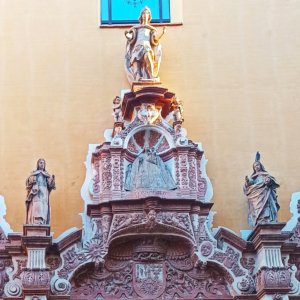
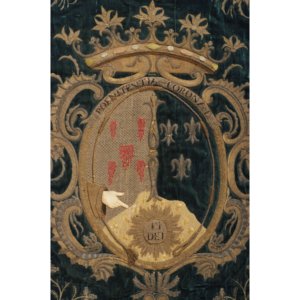
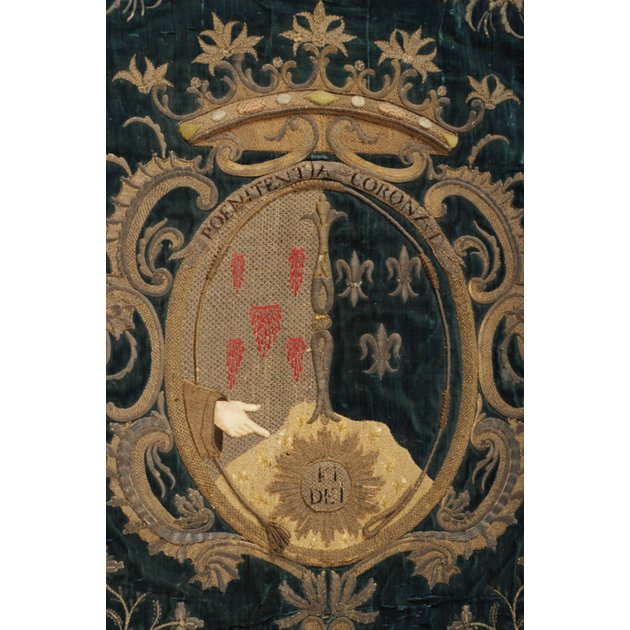
In the upper part of the side streets we find two medallions with the busts of two saints linked to the Franciscans, Saint Clara on the left and Saint Rose of Viterbo on the right. Above the door there is a space like a mixed-linear pediment in the centre of which there is a shield with Franciscan symbols. On the top left are the Five Wounds, the main symbol of the order, and on the right are three fleurs-de-lis. On the bottom, a hand points to a sun on which can be read "FIDEI" (Faith). Above the shield, an open royal crown at the base of which can be read "POENITENTIA CORONAT". We have no further information about the shield, although it must have been the one adopted by this convent as its own. In 2007 the Andalusian Institute of Historical Heritage undertook the restoration of a processional banner found in San Telmo with the same shield, so in all probability it was a banner representing the convent at official events.

On the four pillars that delimit the streets of the doorway are four Franciscan saints: on the left, Saint Anthony of Padua and Saint Elizabeth of Hungary, and on the right, Saint Elizabeth of Portugal and Saint Ivo of Kermartin, patron saint of lawyers. Crowning the central part of the doorway, a niche houses an image of the Virgin of Consolation, reproducing the original carving found inside. Above the Virgin appears a white dove with open wings, representing the Holy Spirit, and crowning the whole is a carving of Saint Michael.

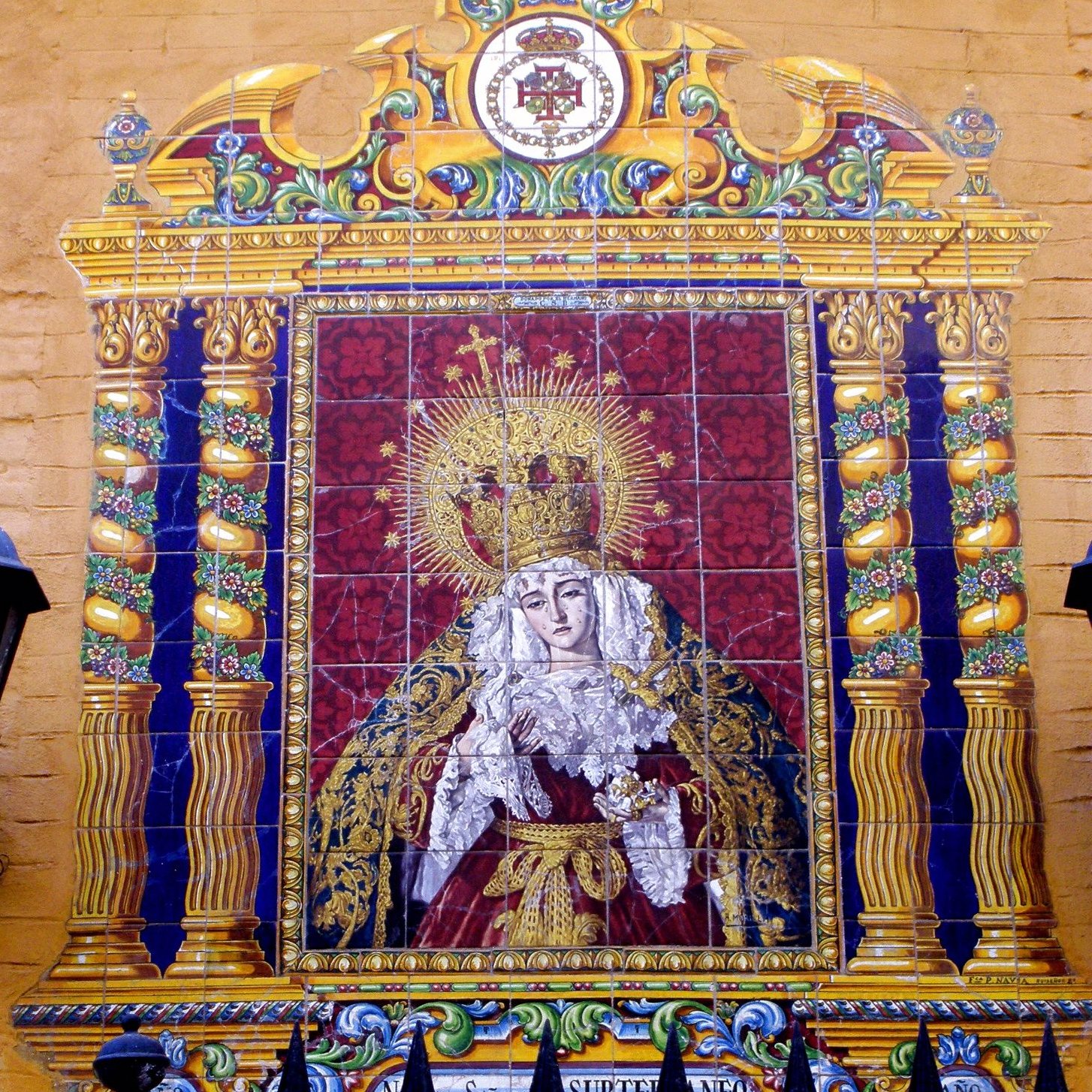
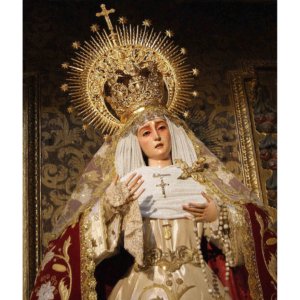
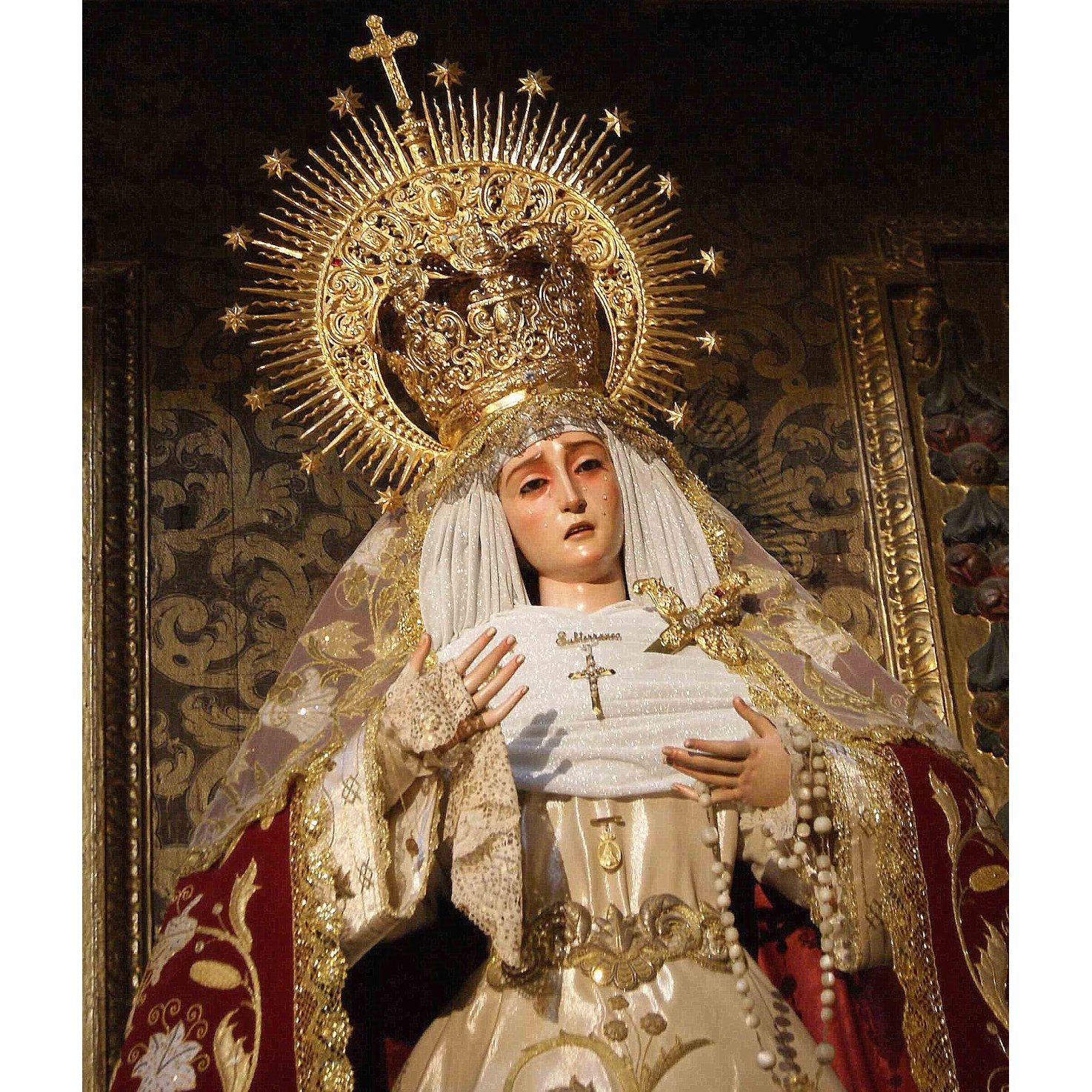
To the right of the doorway is a ceramic altarpiece with the image of the Virgin of the Underground, the Marian patron of the Brotherhood of the Supper. It was made in 1959 in the factory of Nuestra Señora de la Piedad by Antonio Morilla Galea and Manuel García Ramírez.

The façade has a tower on the right, topped by a two-body belfry with two openings for bells in the lower one and a single body in the upper one, topped by a curved pediment.

Inside

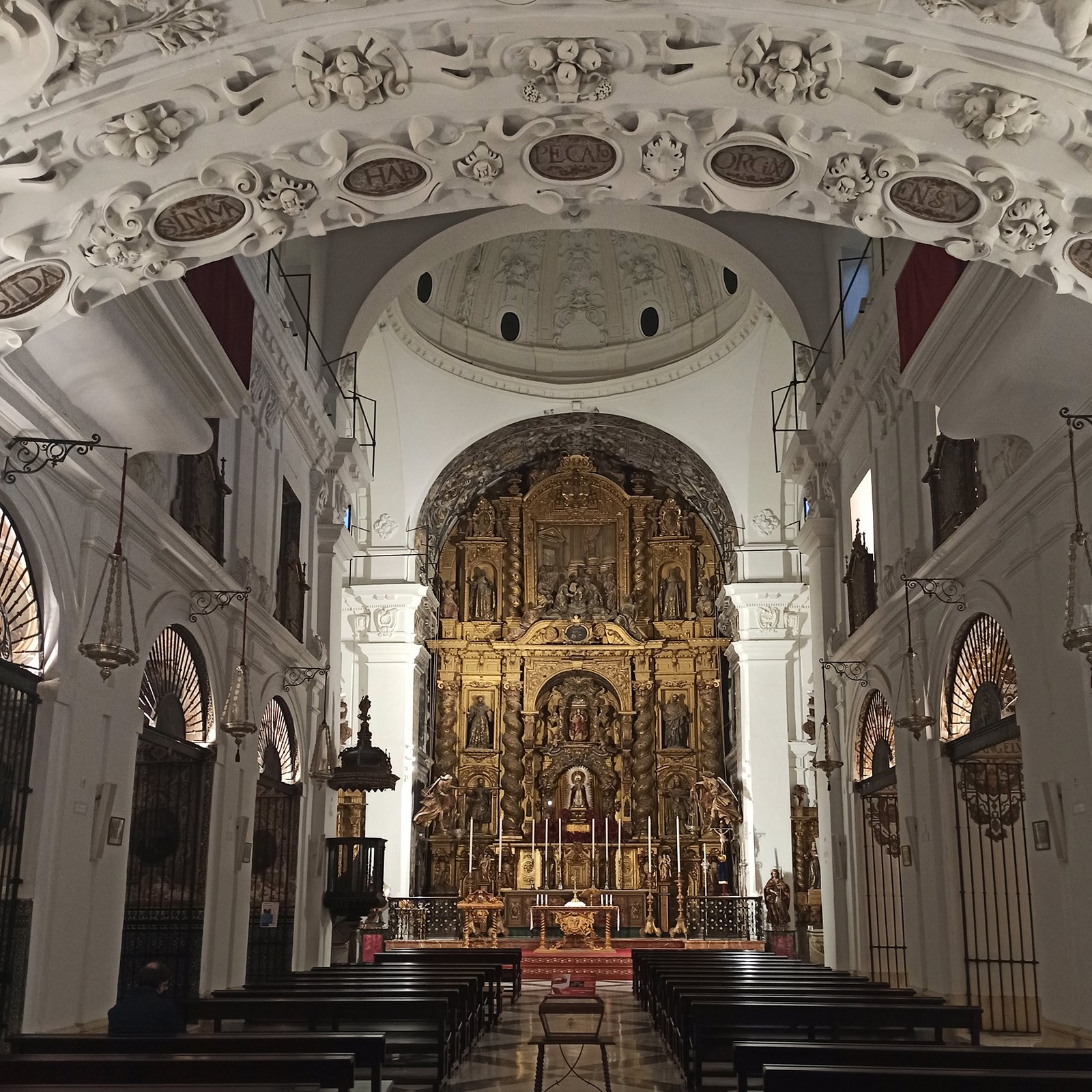
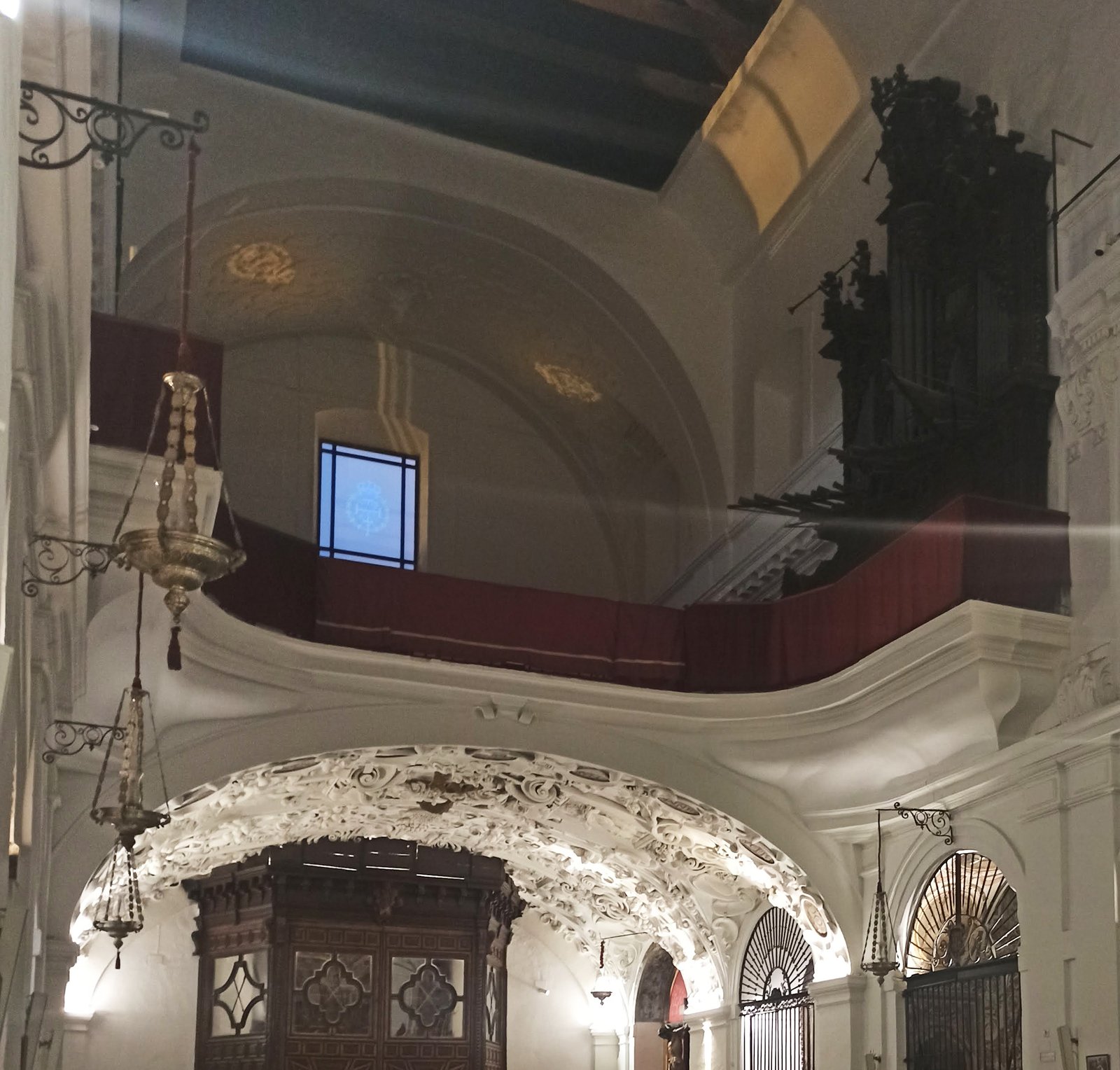
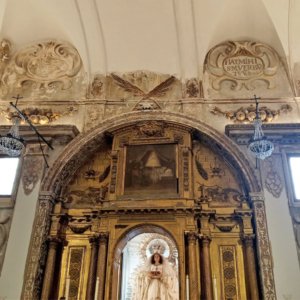
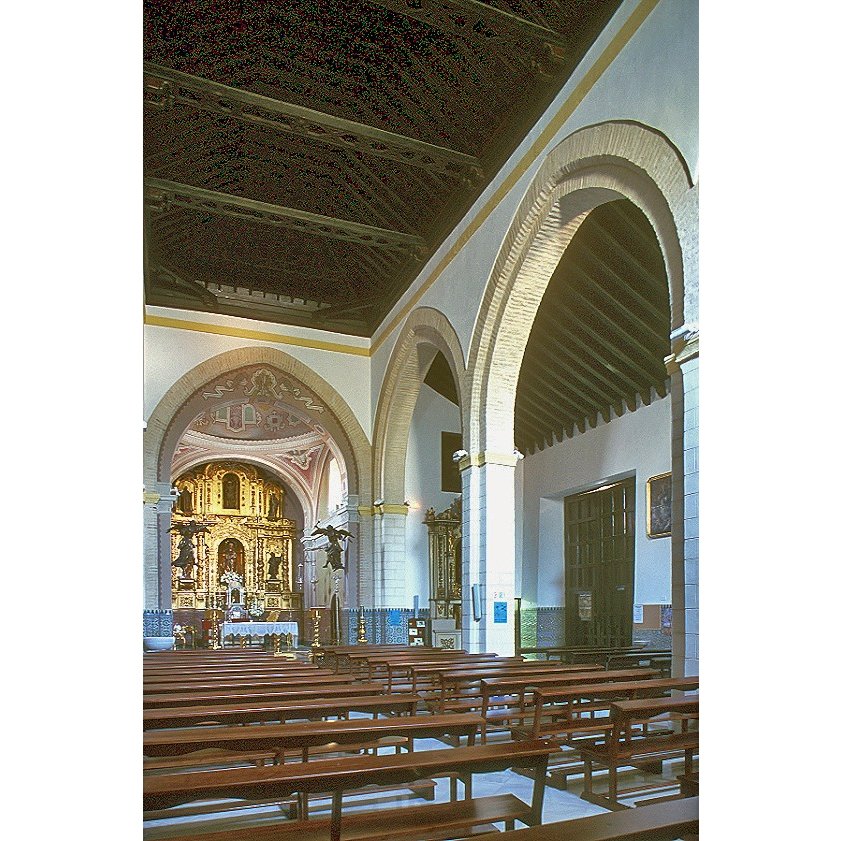
The first thing that catches your attention when you enter the Consolación church is its large size and monumentality, making it one of the most interesting examples of the convent churches of the Sevillian Baroque. It consists of a single nave of great width and in the shape of a Latin cross. On either side of the nave there are a series of side chapels which are accessed through semicircular arches closed by bars. At the foot of the church is the high choir, resting on a profusely decorated segmental vault. On one side of the choir is an organ, original from the first half of the 18th century, which according to Álvaro Cabezas García can be attributed to the altarpiece maker José Fernando de Medinilla. The original roof of the church was made by a large barrel vault that extended throughout the nave. However, this vault collapsed in the mid-19th century and today we find a flat roof. The barrel vault is preserved only over the choir, at the foot of the church, and over the presbytery area, at the head. Above the transept there is a hemispherical dome on pendentives, decorated with plasterwork that reproduces architectural elements, plant decoration, scrolls, angels' heads and other motifs characteristic of the Baroque.

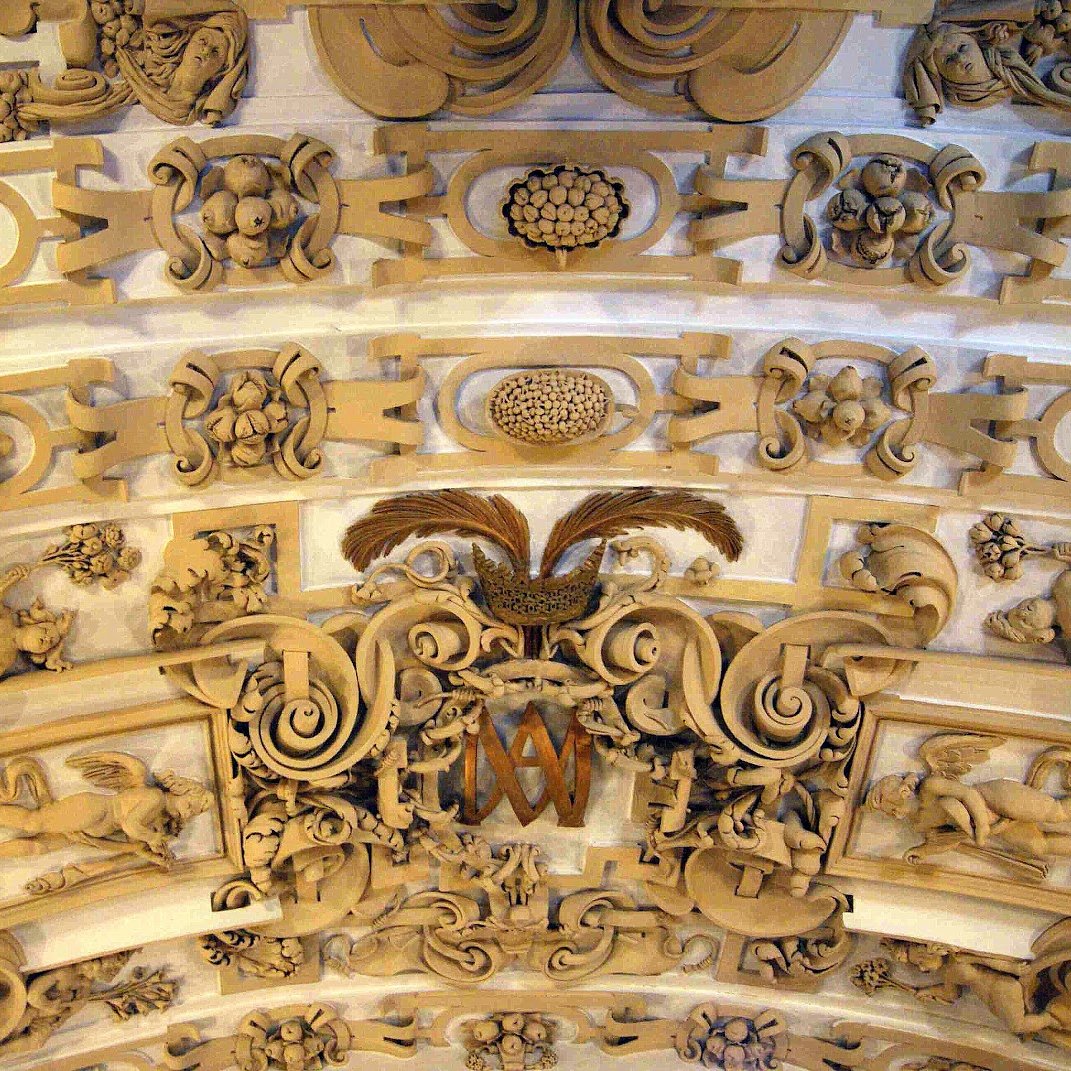
This type of decoration based on plasterwork must have originally extended throughout the vault of the church. The decoration of the vault that supports the choir is especially rich, and in it the curious bunches of various fruits stand out, in a composition articulated by latticework and plant motifs, in which little angels and Marian symbols are mixed. It clearly recalls the plasterwork that we find in Santa María la Blanca, also made in the 18th century.

Presbytery

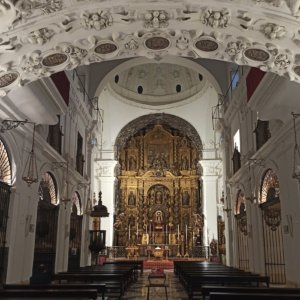
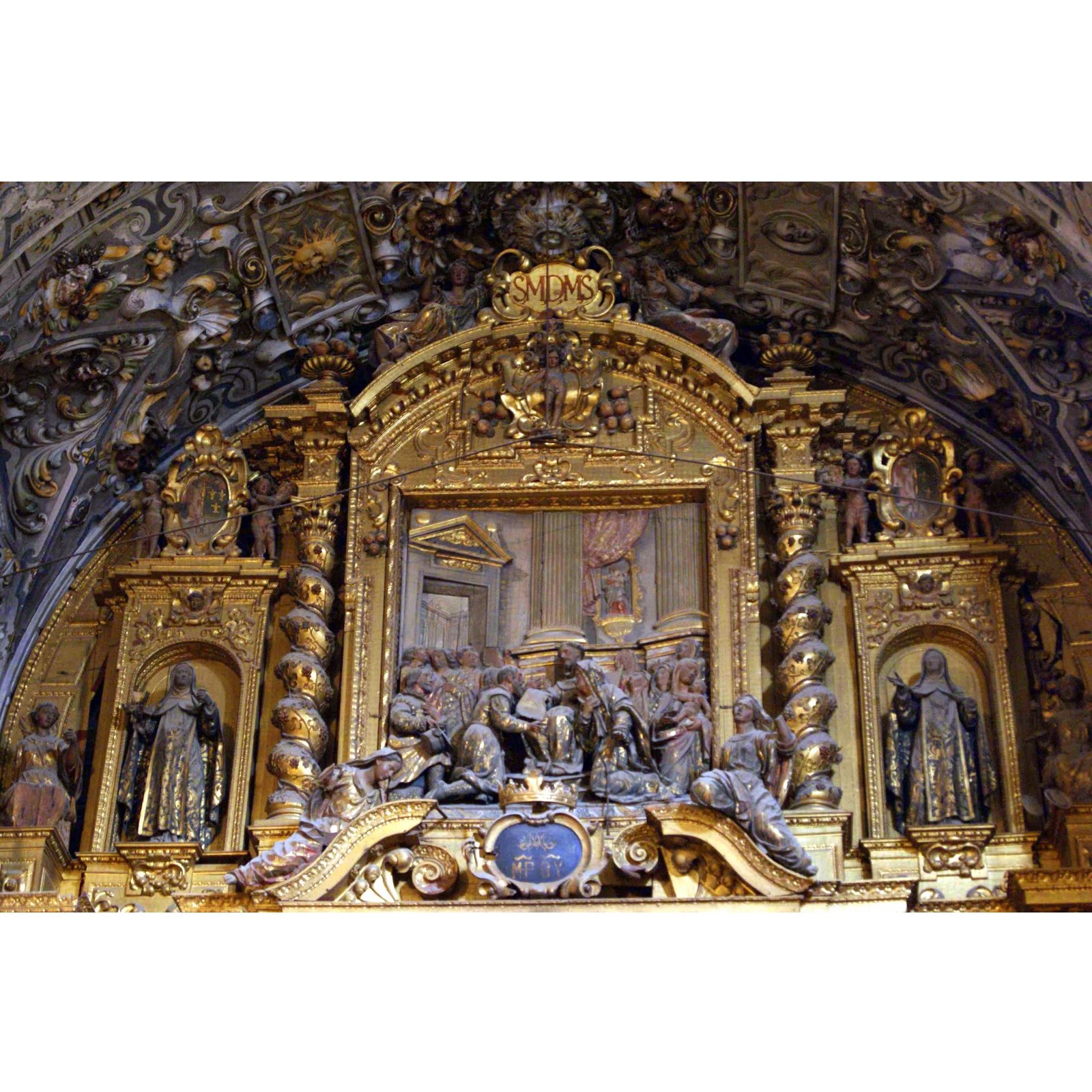
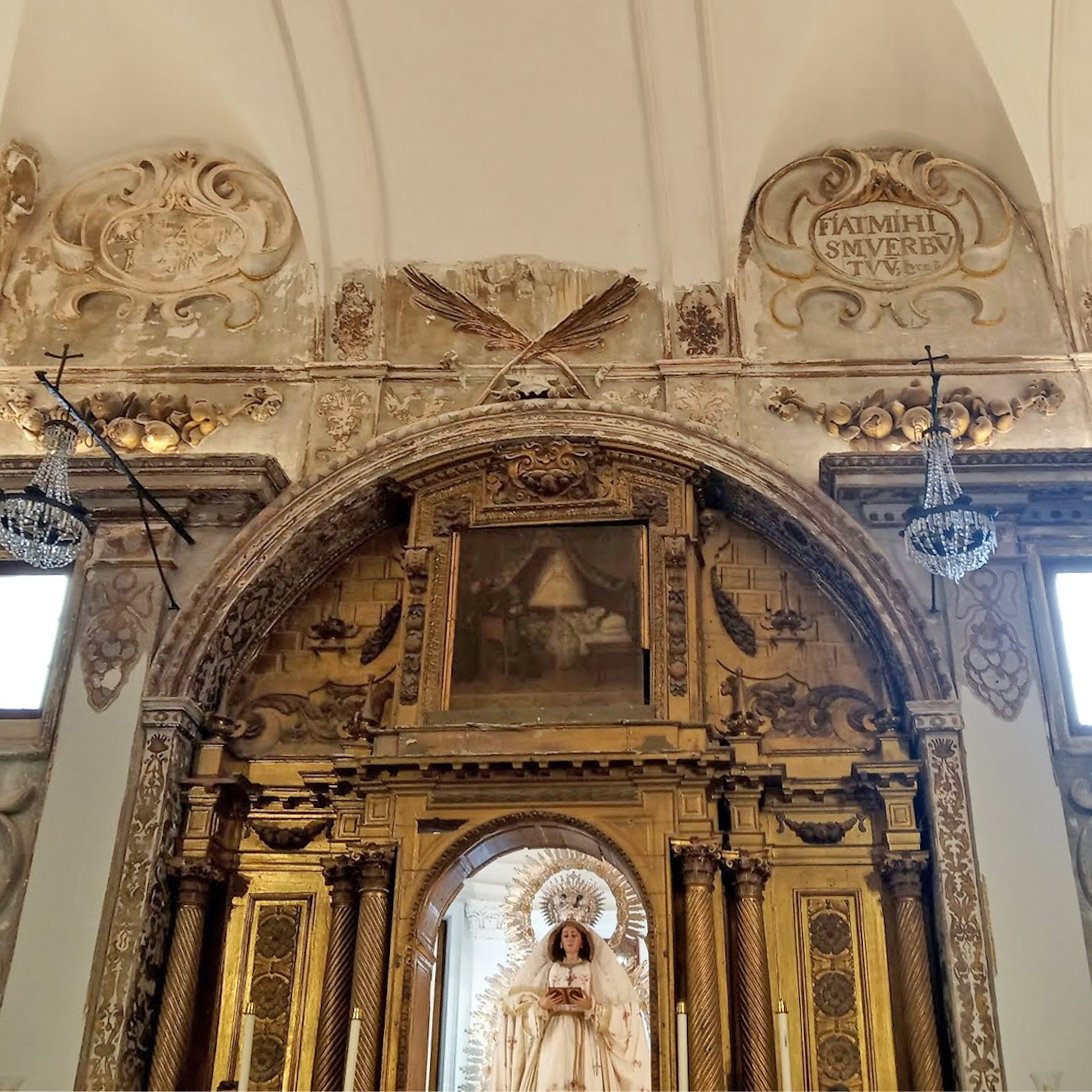
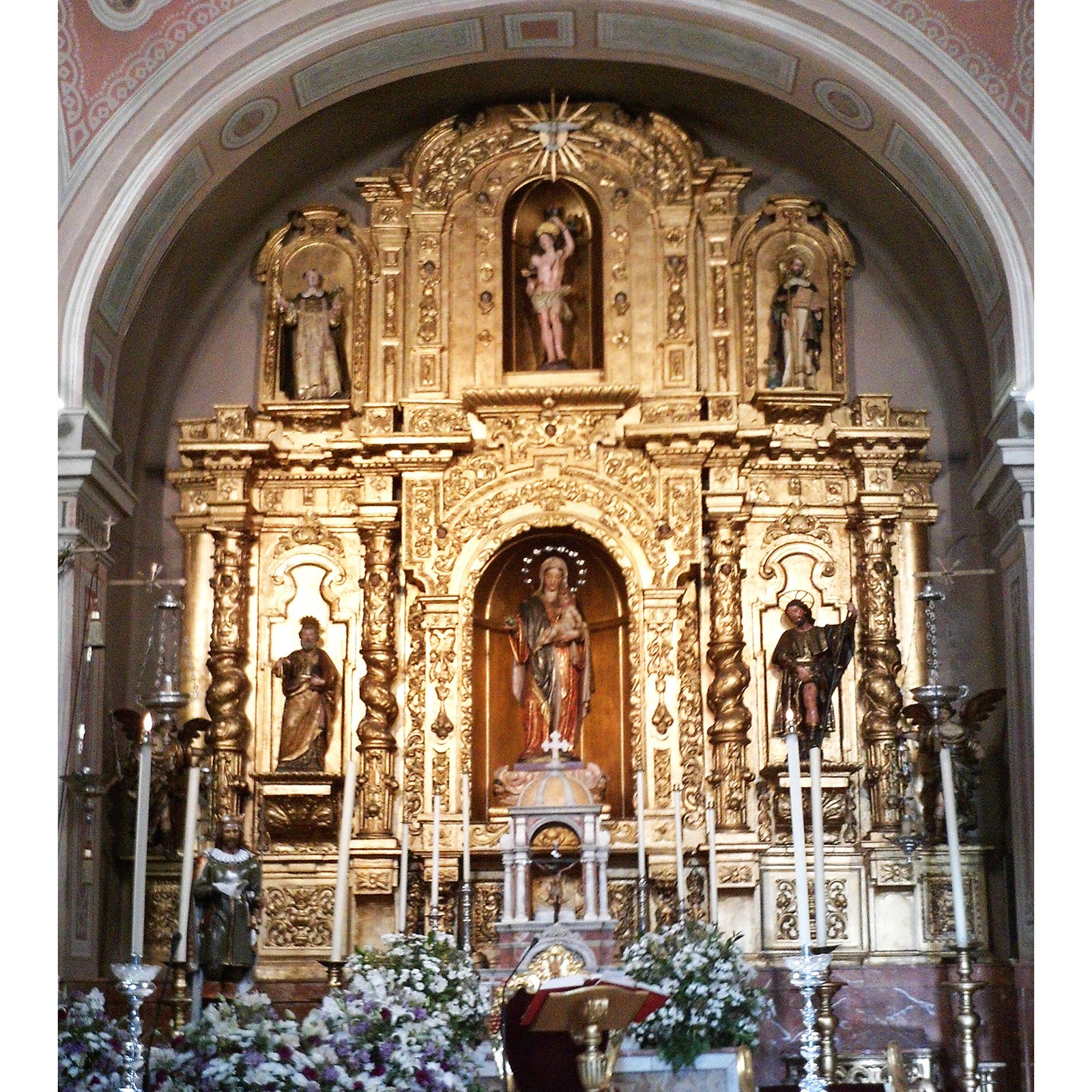
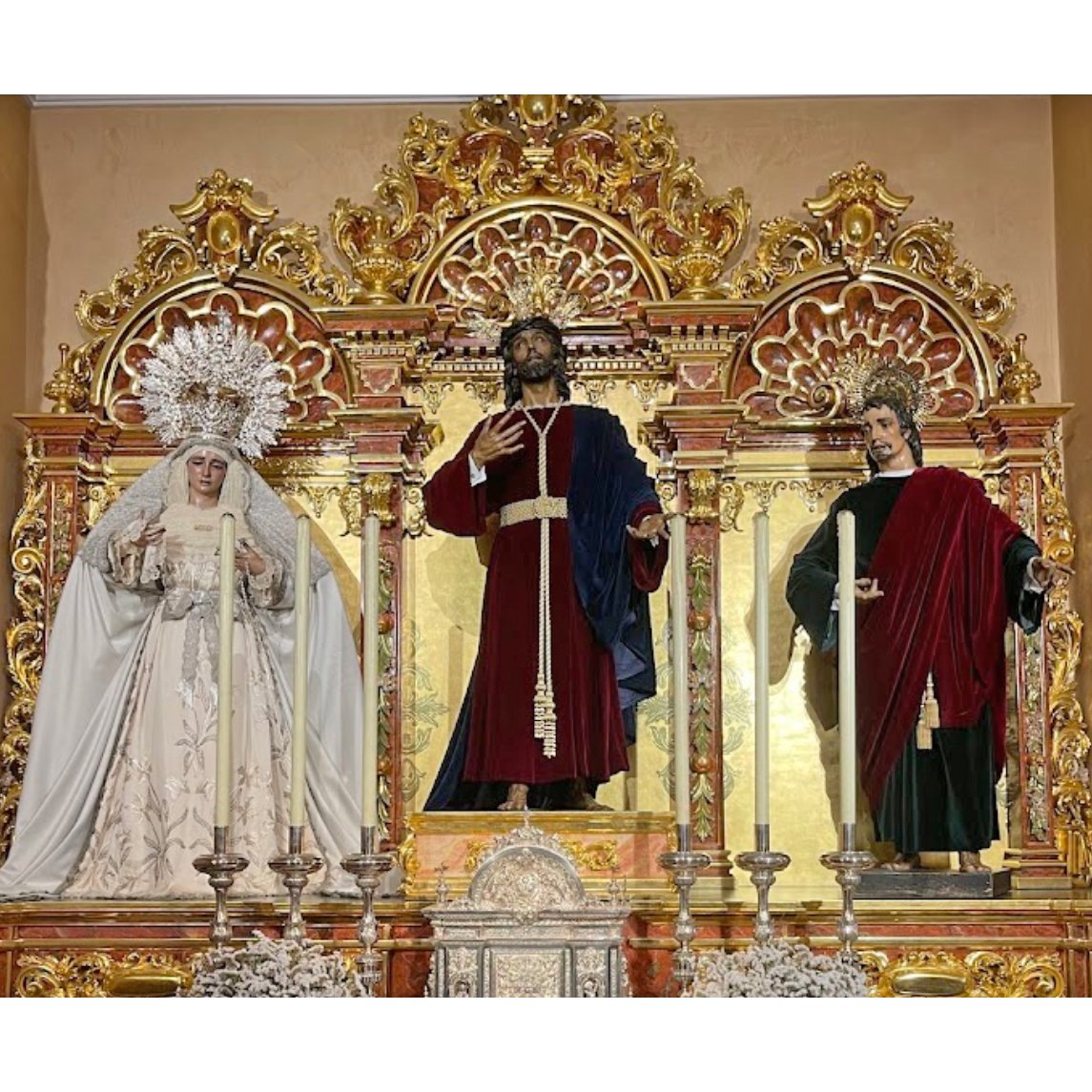
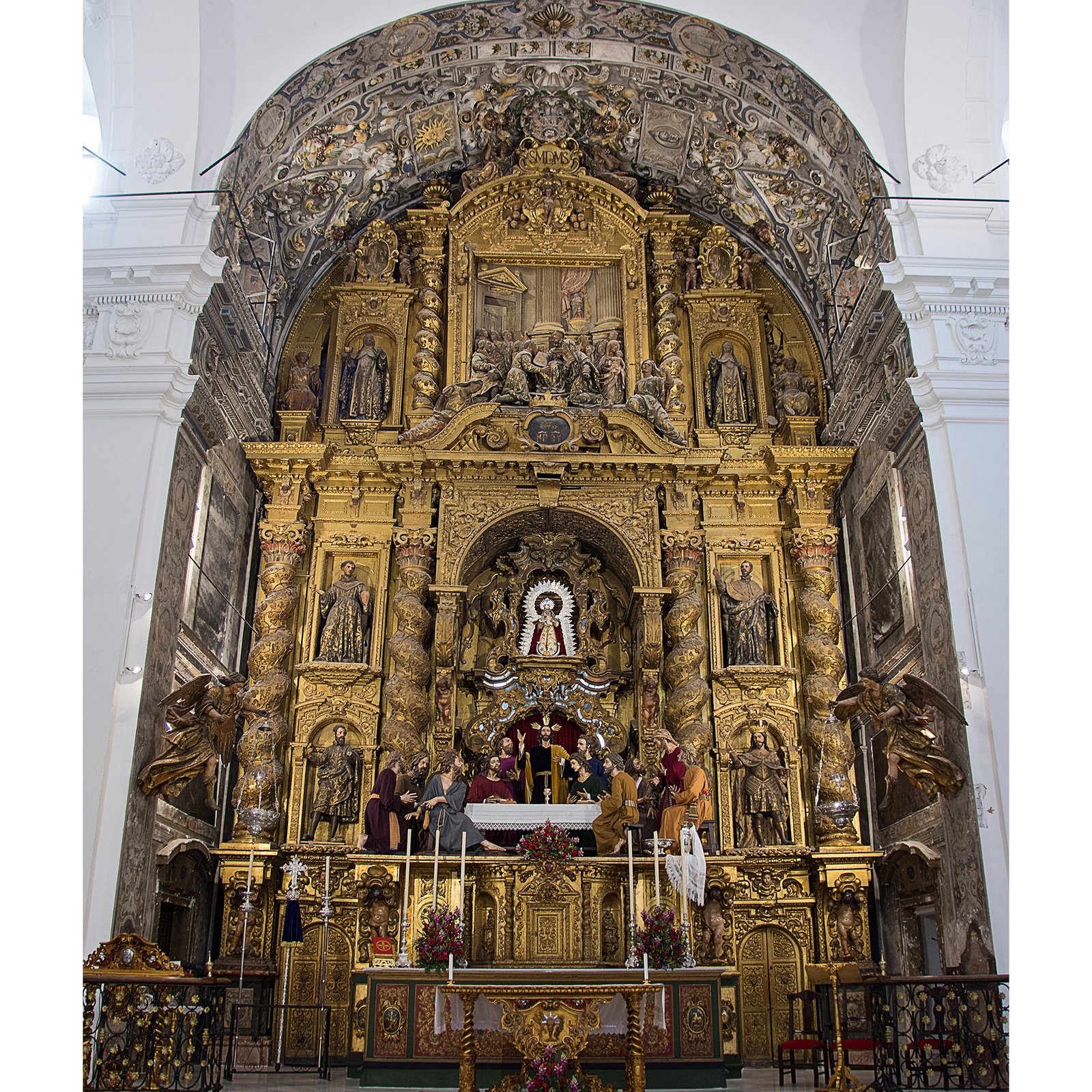
In the presbytery, the main altarpiece is a splendid baroque ensemble made by Francisco Dionisio de Ribas in 1669, which was subsequently renovated on several occasions. It can be considered one of the best examples of 17th century Sevillian altarpieces. It consists of two bodies and three sections, delimited by beautiful Solomonic columns with shafts delicately sculpted with plant motifs. The layout of the central space of the altarpiece was modified to accommodate the sculptural group of the Last Supper after the brotherhood was established in this temple. In the centre appears the figure of Jesus at the moment of the Eucharistic celebration. It was carved by Sebastián Santos Rojas in 1955 and its face is of such beauty that there are authors who point to it as the most beautiful image of Christ among those made for Holy Week in Seville in the 20th century. The apostles are the work of the Cadiz sculptor Luis Ortega Bru, one of the most original and outstanding figures of contemporary Spanish imagery. They were his last work, as they were first performed during Holy Week in 1983, a year after the sculptor's death. When the group is in the altarpiece, only eleven apostles accompany the Lord, as Judas Iscariot is excluded, who is part of the float on the day of the procession.

Above the group of the Last Supper, there is a niche with undulating shapes added to the altarpiece in 1700 to house the Virgin of Consolation, the titular of this temple. It is a small image of the Virgin with Child, which originally had the title of Our Lady of Morañina when it was worshipped in the convent that the Third Order ran in Bollullos Par del Condado before its transfer to Seville. The image dates back to the 14th century, but was thoroughly renovated to adapt it to the Baroque aesthetic, probably in the 18th century.

Continuing along the first level, on the left we find Saint Ivo of Brittany and Saint Elizario, while on the right we find Saint Conrad and Saint Louis of France. In the second level, in the centre there is a relief with "Saint Francis approving the rules of the Third Order". The relief is flanked by Saint Elizabeth of Portugal on the left and Saint Elizabeth of Hungary on the right.
Transept

The presbytery is flanked by two other smaller altarpieces located in the arms of the transept. Both are from the first third of the 18th century and house an image of the Virgin and Child on the left and a Jesus of Nazareth on the right. Originally the altarpieces were dedicated to two high-quality images of Saint Michael and Saint Raphael that are currently usually located in the sacramental chapel.

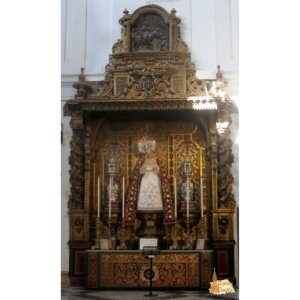
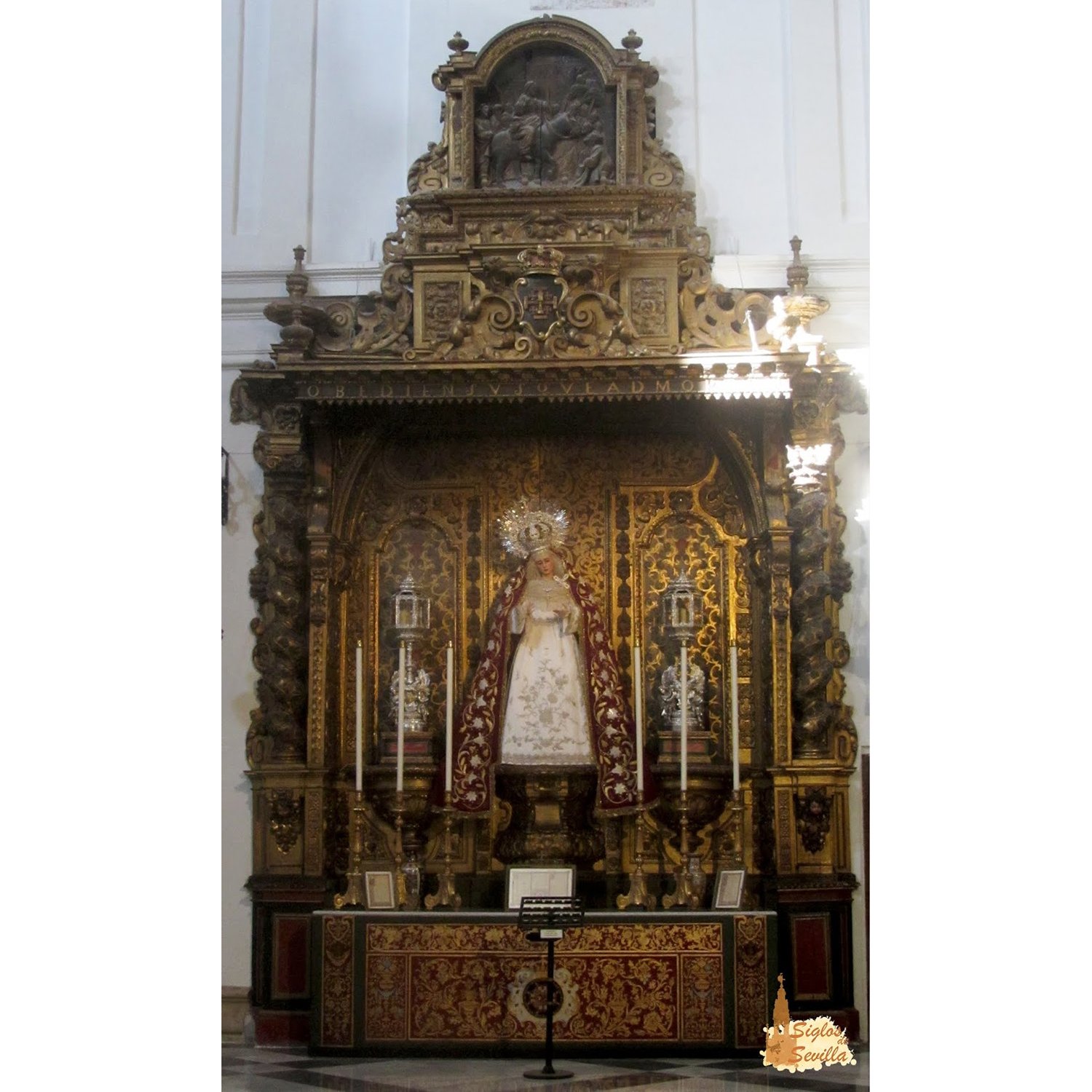
At the left end of the transept there is an altarpiece from the beginning of the 18th century that houses the image of Our Lady of the Underground, Queen of Heaven and Earth, titular of the Brotherhood of the Supper. The image is a painful one to dress that has traditionally been attributed to the 19th century sculptor Juan de Astorga, although due to its stylistic features it cannot be ruled out that it is an older image, probably from the 17th century. The altarpiece in which it is located once belonged to the Brotherhood of Love, which had its headquarters in this church. In fact, behind the Virgin, the shape of the cross that once housed the Christ of Love is visible. It is worth remembering that the Brotherhood of the Holy Entry into Jerusalem was also founded in this church and that it was here that both merged to give way to the Brotherhood of Love that we know today, based in the church of El Salvador. In fact, in the attic of the altarpiece there is a relief that represents precisely the scene of the Entry of Jesus into Jerusalem, riding the famous "little donkey".

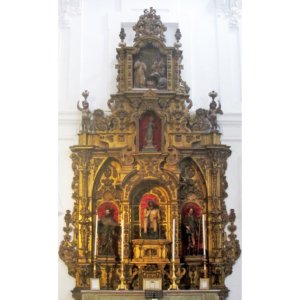
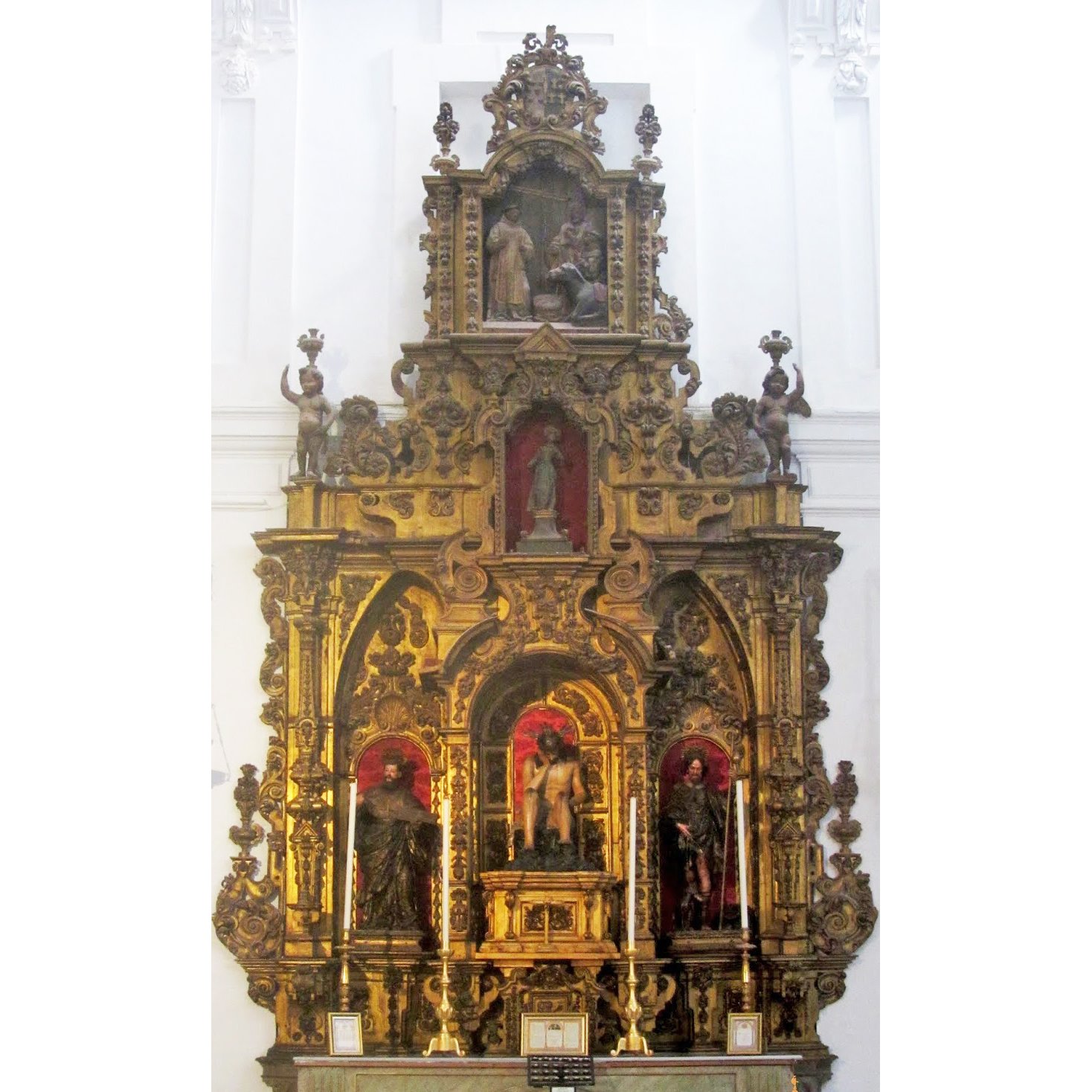
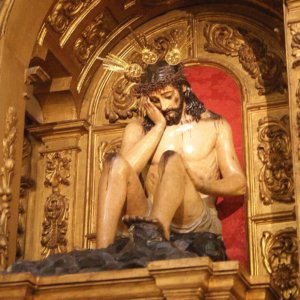
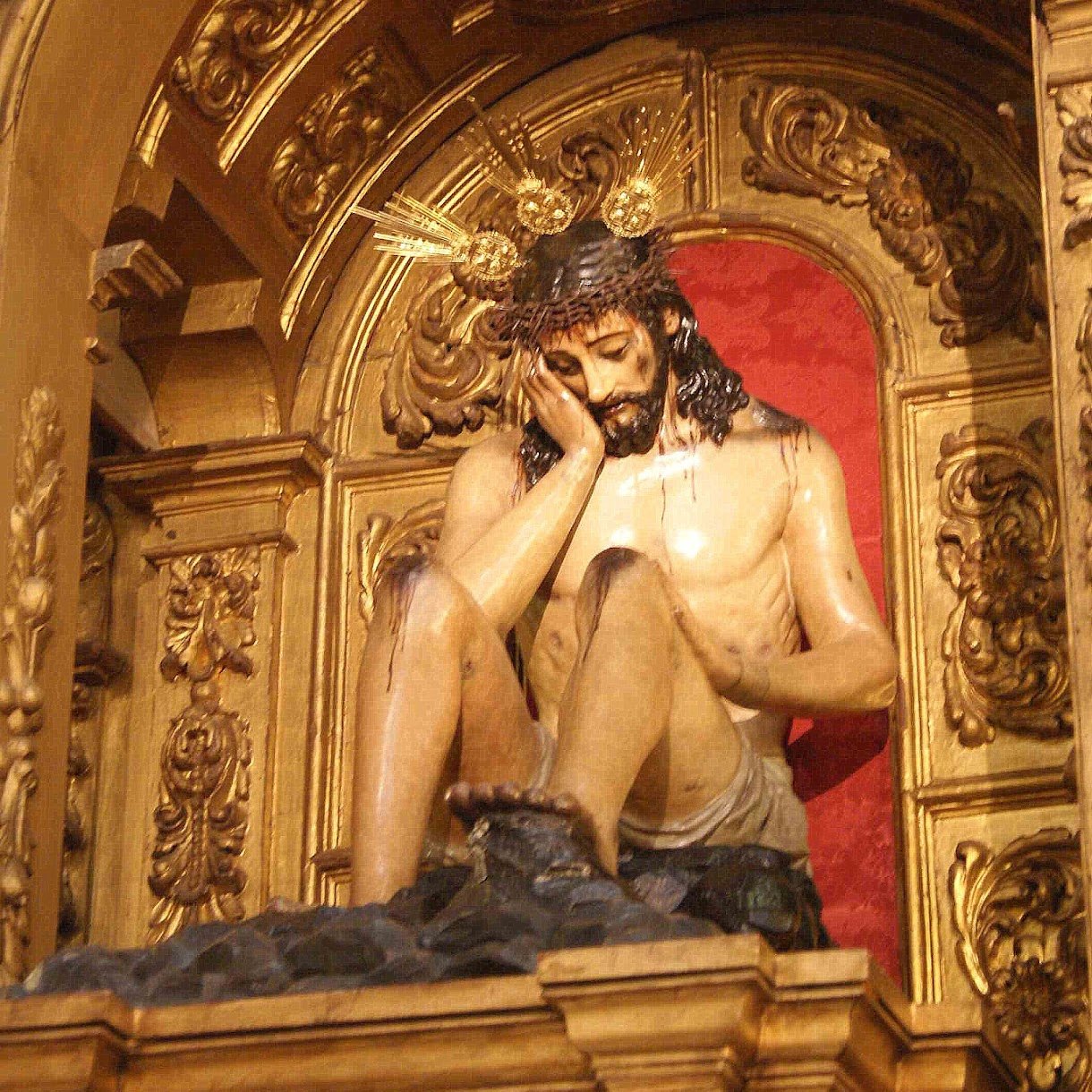
Opposite the altarpiece of the Virgin of the Underground, in the right-hand head of the transept, there is an altarpiece with very dynamic shapes carved by Fernando de Medinilla in 1727. It is presided over by the image of the Christ of Humility and Patience, which is also the titular of the Brotherhood of the Supper, also participating in the procession on its float. The image was made in the 16th century, making it one of the oldest images of Holy Week in Seville. It has the peculiarity of not being made of wood but of glued fabrics. It represents Christ sitting on a rock just before the crucifixion, resting his head on his right hand in a reflective attitude. This iconography has deep roots in Sevillian religiousness since the first carvings were made from an engraving by Dürer in 1511.

Chapels

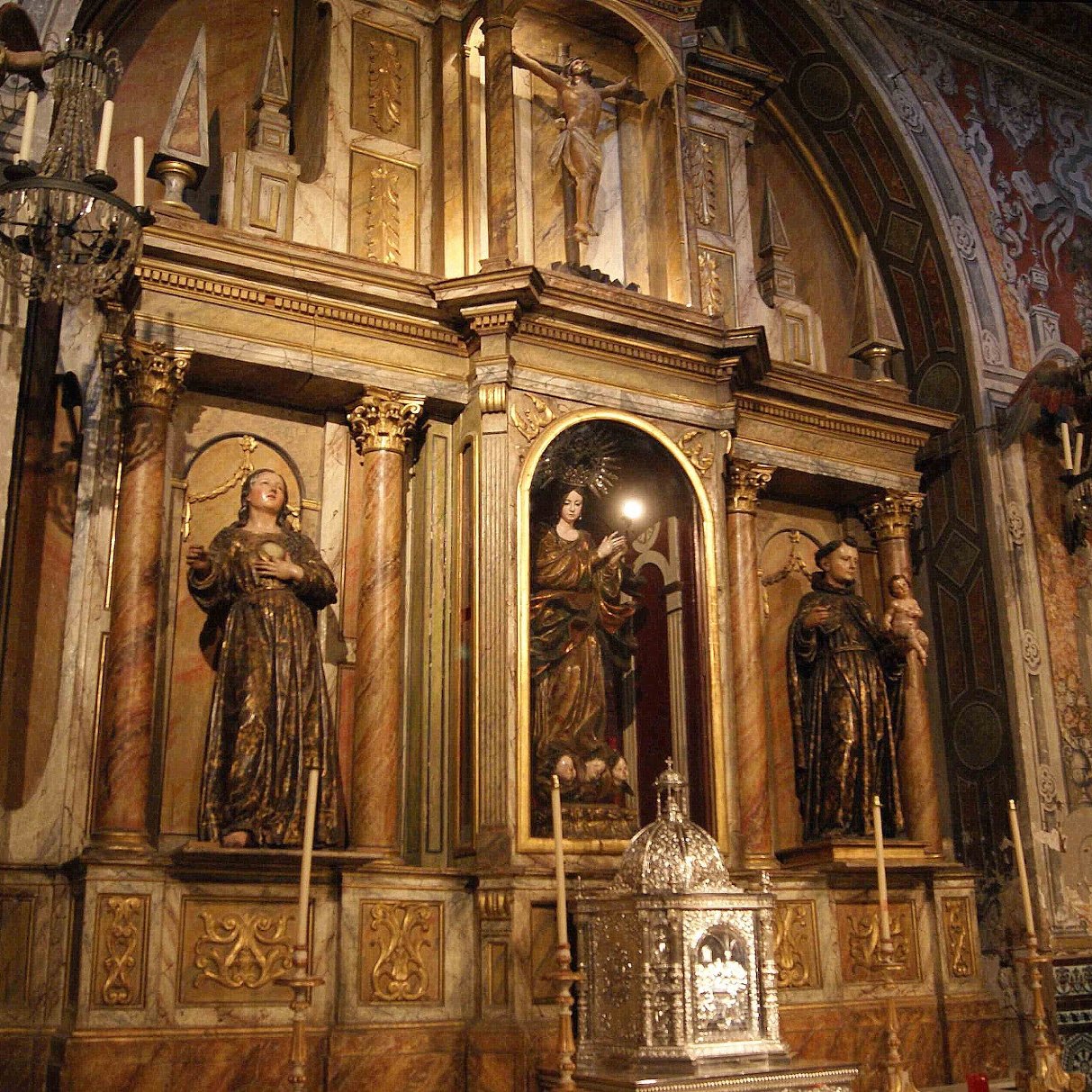
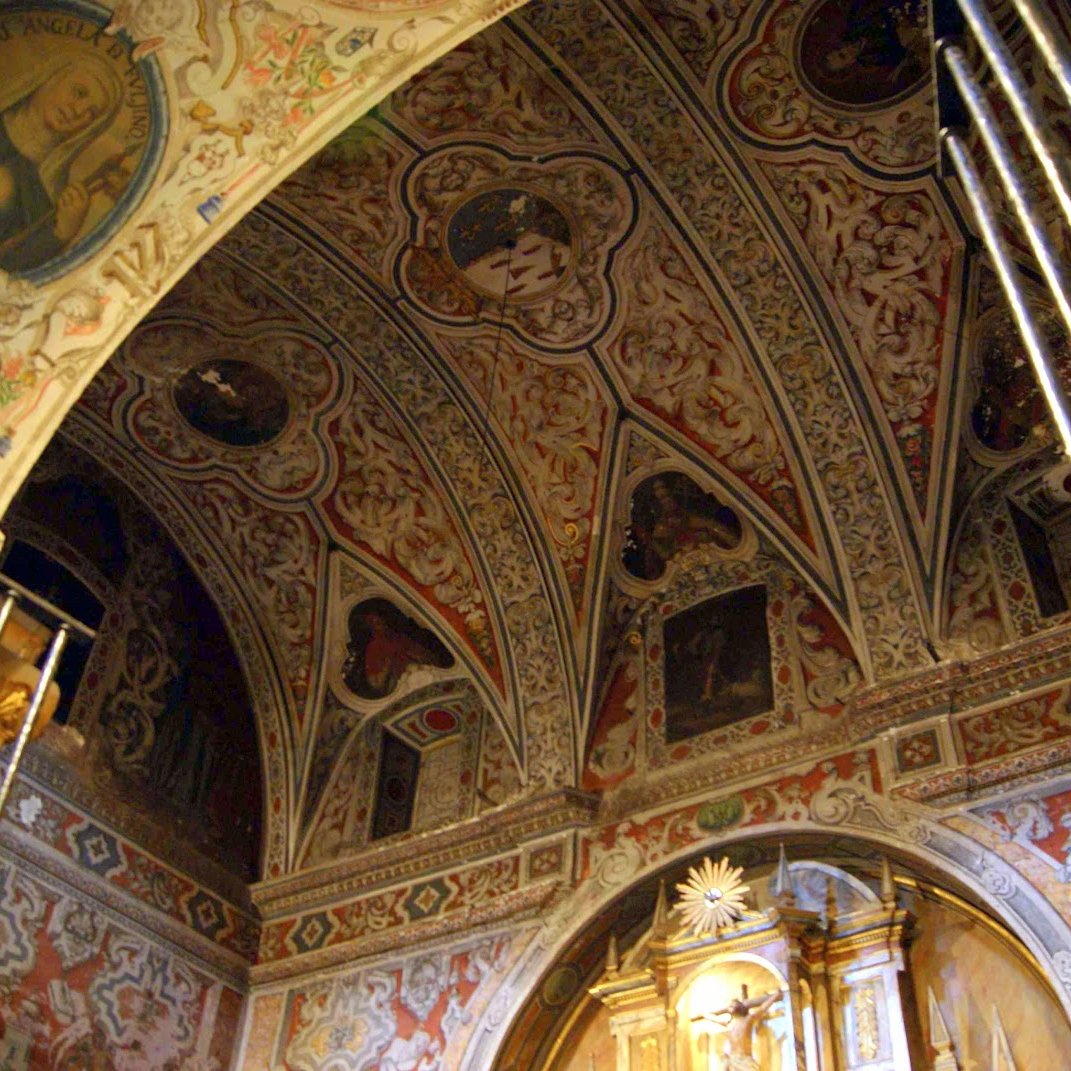
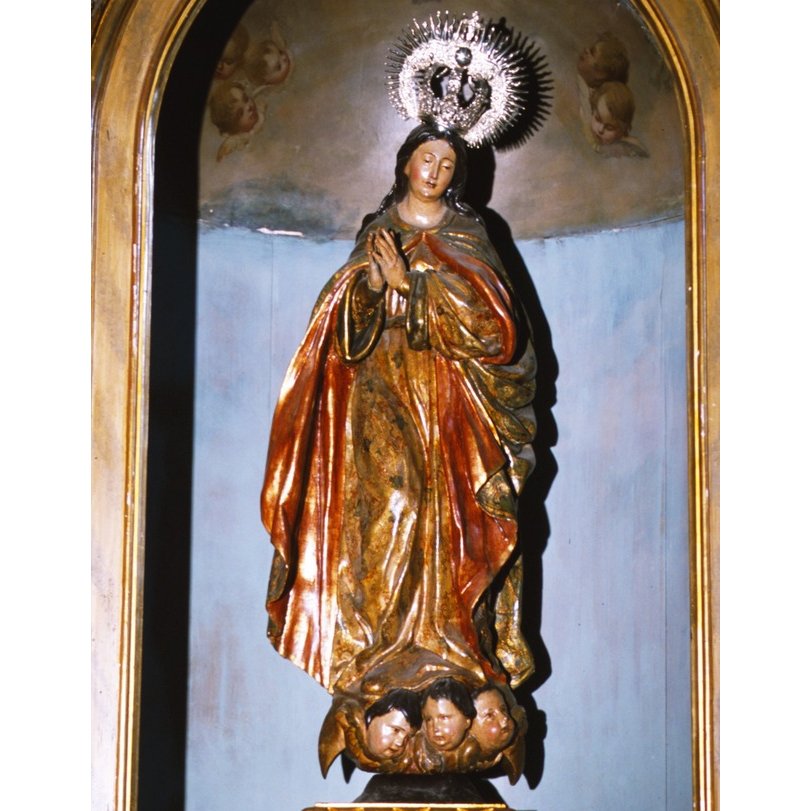
On the Gospel side (left) of the church is the Sacramental Chapel, with a rectangular floor plan and a barrel vault with lunettes. Both the walls and the vaults are profusely decorated with baroque ornamentation from the beginning of the 18th century. It is presided over by a neoclassical altarpiece from the 19th century presided over by an Immaculate Conception. It is flanked by carvings of Saint Mary of Egypt and Saint Anthony of Padua, and in the attic there is a Crucifix. All the carvings are approximately from the beginning of the 19th century, except for the Immaculate Conception, which is from the 17th century. On both sides of the chapel are two altarpieces, also neoclassical, which house the images of Saint Michael and Saint Raphael from the beginning of the 18th century. Also in this chapel is a dressed image of Saint Francis from the 17th century that apparently came out in procession through the streets of the neighbourhood. There is also a crucifix with the dedication of Christ of the Good Death, of remarkable quality, which has been dated to the beginning of the 18th century.

Opposite the sacramental chapel, on the Epistle side (right) is the chapel of Our Lady of the Incarnation. It is presided over by a neoclassical altarpiece that houses the image of the Virgin who is the titular glory of the Brotherhood of the Supper. It is a 17th century carving attributed to Juan de Mesa, although it was deeply renovated later. The chapel remained closed for a long time after suffering a collapse but can be returned to worship after its restoration in 2019.

CHURCH OF SAINT SEBATIAN

The church of San Sebastián is a Gothic-Mudejar temple originally built between the 15th and 16th centuries as a hermitage on the outskirts of the city. It has undergone profound transformations throughout its history, especially during the 19th and 20th centuries, in relation to the appearance of the Porvenir neighbourhood around it. It has a rectangular floor plan divided into three naves by pointed arches. The area of ​​the presbytery and the sacramental chapel stand out from the floor plan, at the head of the Epistle nave. The church is the headquarters of the Hermandad de la Paz, which processes on Palm Sunday.

History

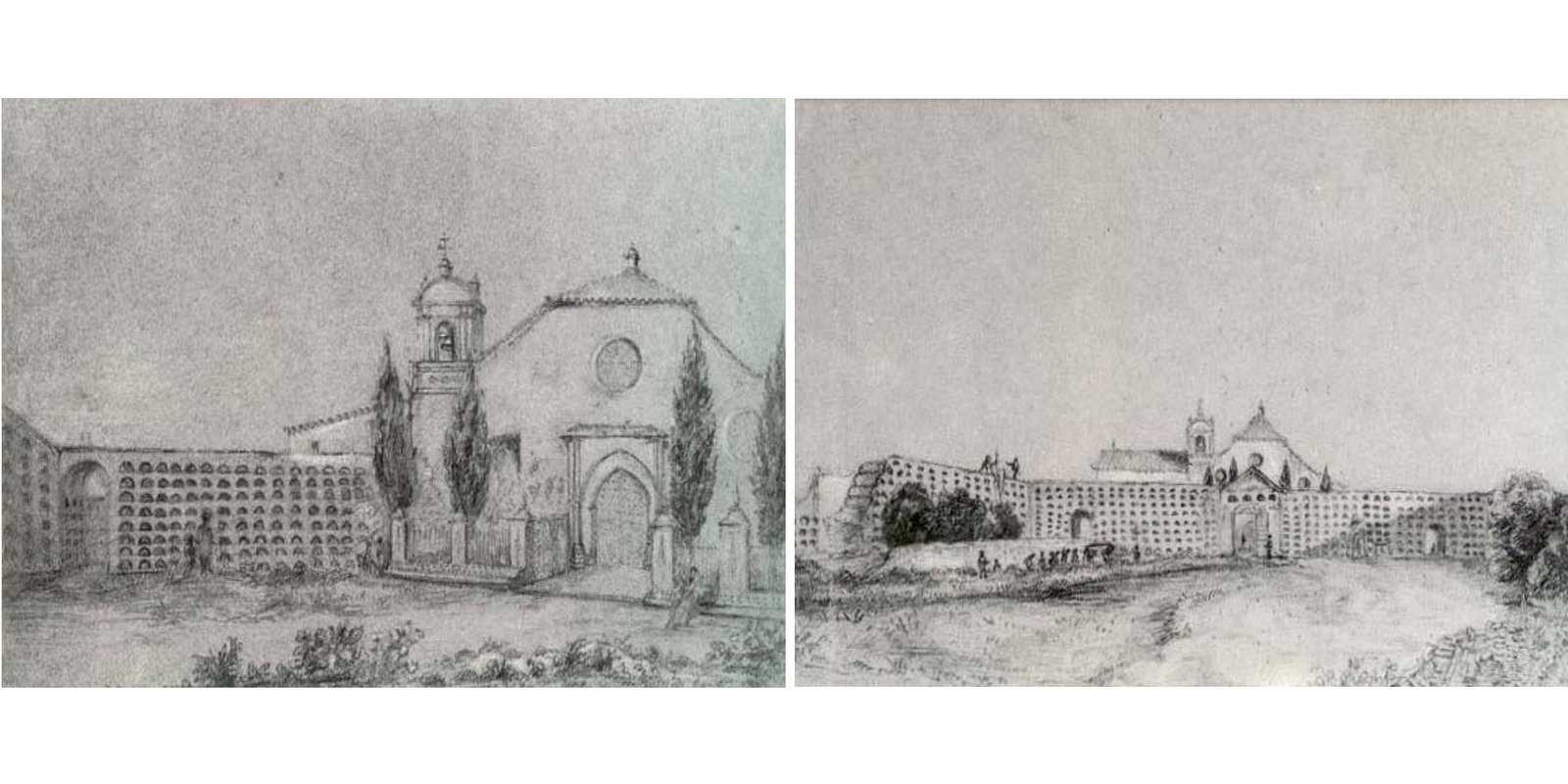
The origin of the church is a hermitage that was built on this site at the end of the Middle Ages in honour of San Sebastián, a saint who was asked for intercession in the event of epidemics. In the 19th century, the first cemetery outside the city walls was built near the hermitage. It should be remembered that for most of our history, burials took place in churches or in their surrounding areas, with the consequent health problems that this practice entailed. There are two drawings by the English traveller Richard Ford made in 1831 in which the cemetery and the primitive hermitage appear. The cemetery of San Sebastián lost importance after the construction of the municipal cemetery of San Fernando in 1852 and ten years later its demolition would begin, as recalled by an inscription at the foot of a cross that is currently located in front of the church as a commemorative monument. After the cemetery disappeared, a reform of the old hermitage was undertaken. It was probably at this time, in the mid-19th century, when the current presbytery was added, since it is known that there was originally a Gothic style one and the current one is covered by a hemispherical dome in the Baroque style.

From the beginning of the 20th century, with the preparations for the Ibero-American Exhibition of 1929, the creation of the Porvenir neighbourhood in the area of ​​the old hermitage was accelerated, with the result that the temple was reformed several times, as it gained importance as an auxiliary to the parish of San Bernardo.

In 1939 the Hermandad de la Paz was founded with headquarters in this church, which entailed new reforms, such as the opening of the south doorway for the exit of the floats or the construction of the brotherhood house, built under the direction of Rafael Arévalo y Carrasco in 1941. In 1956 the church was definitively established as a parish and has come down to our days consolidated as the centre of religious life in the neighbourhood.

Outside

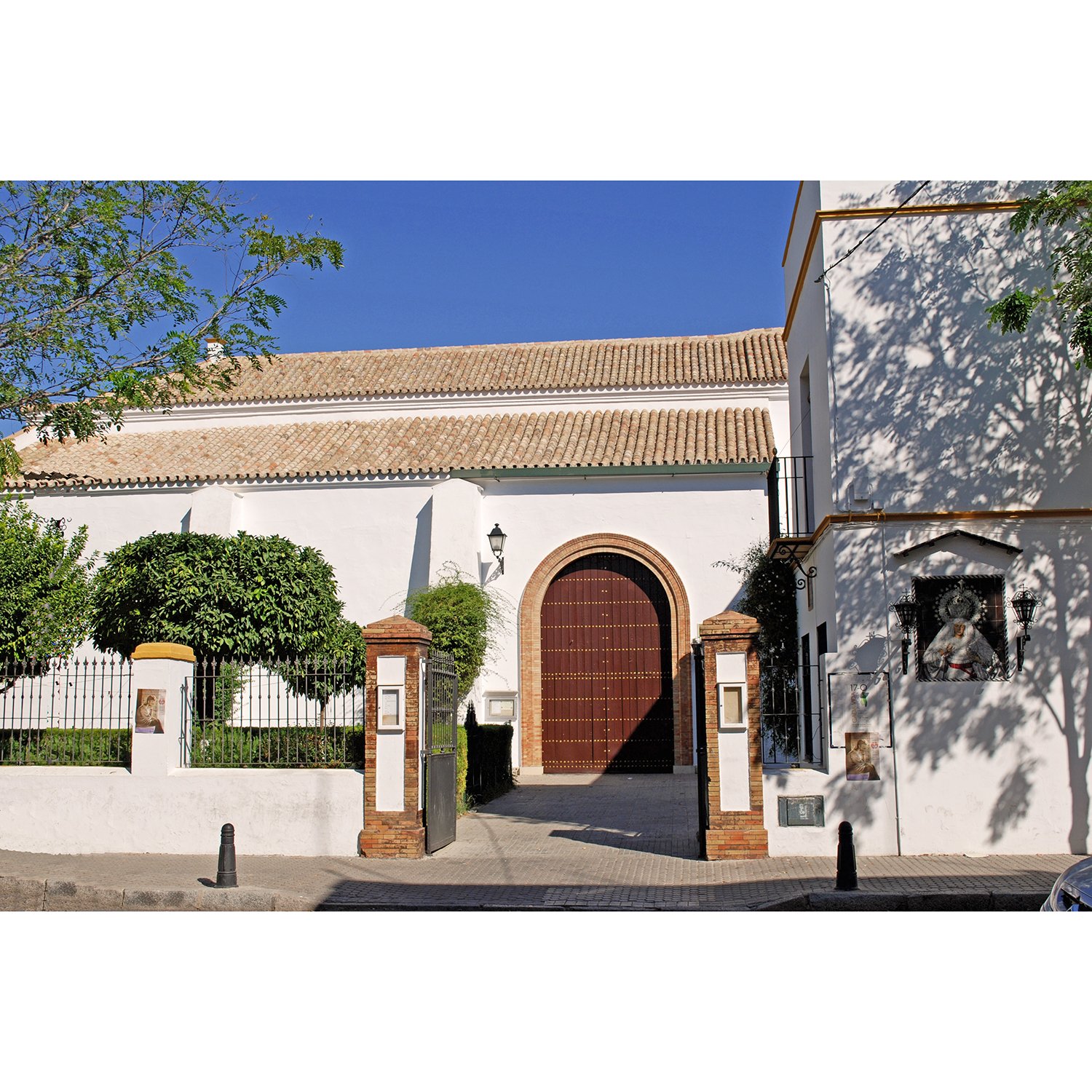
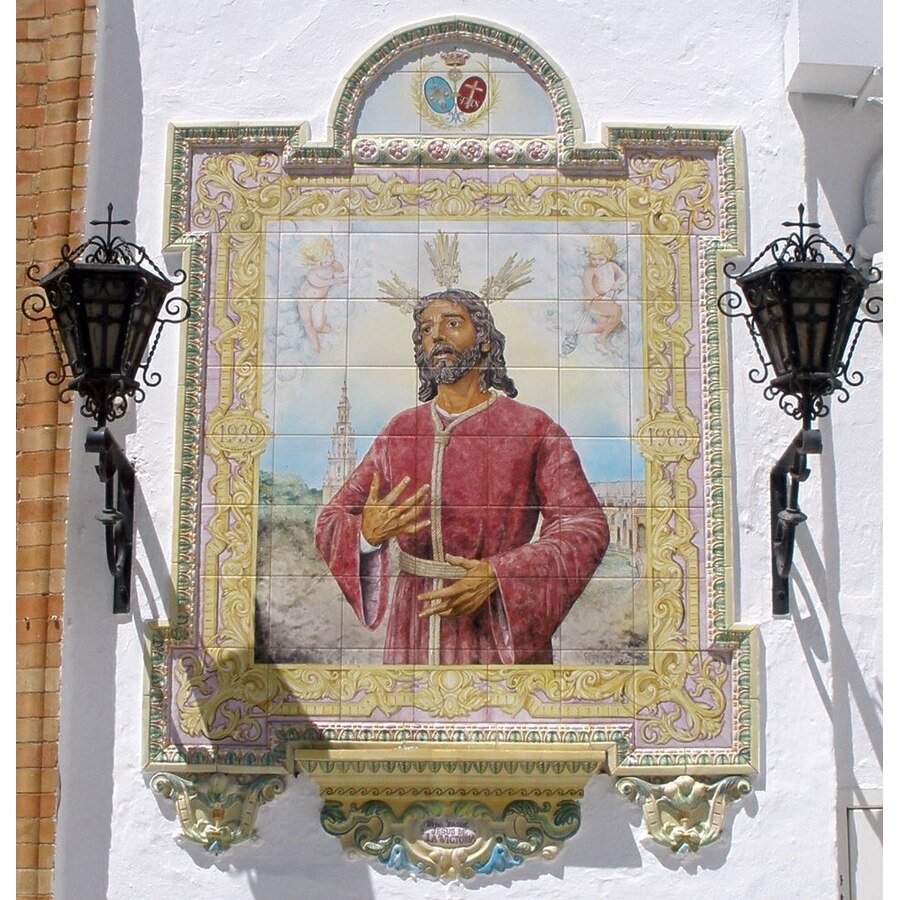
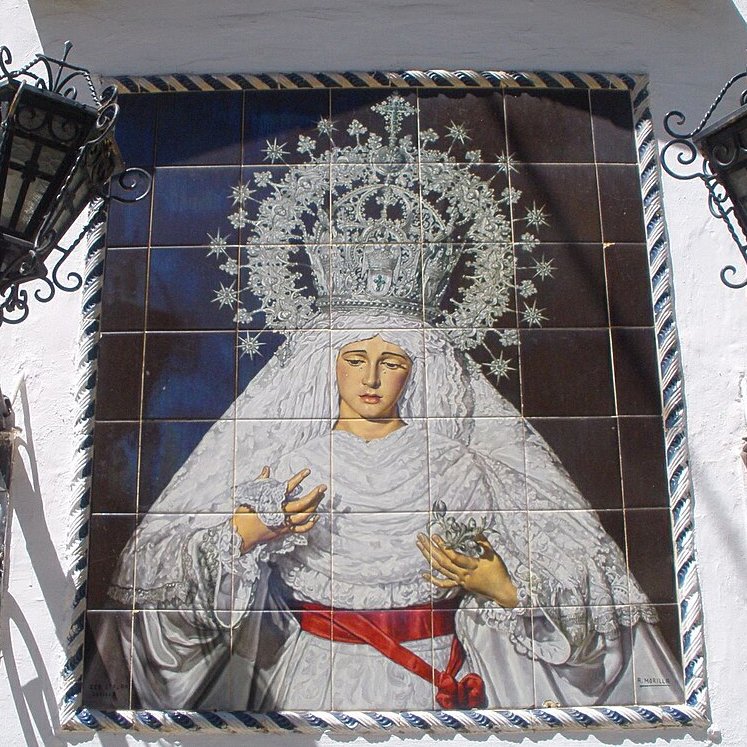
On the outside, the church is surrounded by annex buildings, with only the south and east façades remaining free. On the south side, the buttresses supporting the walls can be seen and it has a simple doorway in the area closest to the head. It was opened in 1940 to allow passage through and is made up of a simple semicircular arch framed by a moulding of exposed brick. To the right of the door is a beautiful ceramic altarpiece with the Christ of Victory, made by Alfonso Magüesín de la Rosa in 1989. In the background there is a landscape in which the silhouette of the Plaza de España can be distinguished. The ceramic altarpiece dedicated to the Virgin is very close, next to the entrance to the fenced area around the church. It was made by Antonio Morilla Galea in 1977 and it highlights the beautiful contrast between the whiteness of the figure of the Virgin and the black background.

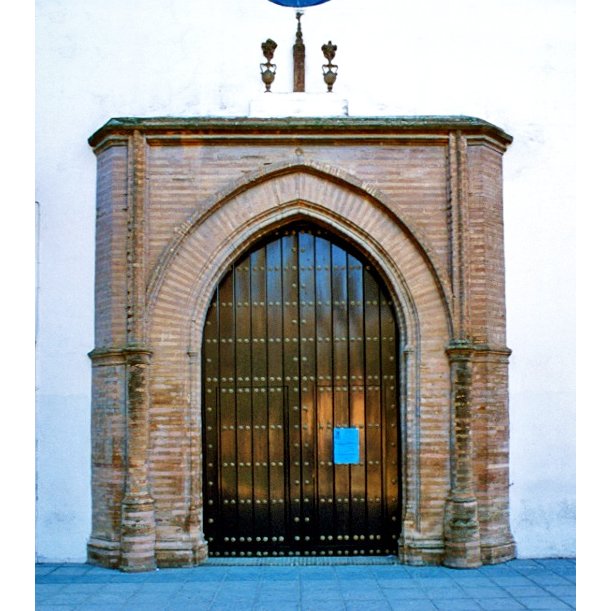
The main façade is the one facing east, at the foot of the church. In its centre we find a magnificent Mudejar doorway, probably built in the 15th century. It is formed by a pointed arch, framed by a structure that stands out from the rest of the façade, built from rows of bricks in alternating colours. It is very beautiful despite its simplicity and is clearly related to other similar doors that we find in Seville, such as that of the church of the convent of Santa Paula or that of the chapel of Santa María de Jesús. Above the door we find the coat of arms of the Cathedral, the Giralda between two jars of lilies, a symbol of the patronage of the cathedral chapter. This emblem does not appear in Richard Ford's drawing of 1831, so it must have been added later.

At the top of the façade there are three oculi, one in the centre and two on the sides, which serve to illuminate each of the naves. On the left stands a simple bell gable, with a single bell and topped with a curved pediment.

Interior

Inside, the space is divided into three naves, with the central one wider and higher than the side ones. Large pointed arches resting on cruciform pillars separate the naves. Another large pointed arch separates the central nave from the presbytery, like a triumphal arch. Most of the walls are plastered in white, with the area of ​​the pillars imitating ashlar and leaving the brickwork on the arches exposed. A 20th-century tiled plinth with geometric shapes runs throughout the interior. The roof is covered by wooden coffered ceilings in the neo-Mudejar style, with a pair and knuckle in the central nave and hanging in the side ones.

From the rectangular space formed by the naves, three spaces stand out at the head. The presbytery is located in the centre, the sacristy at the head of the right nave and the chapel occupied by the Brotherhood of Peace at the head of the Gospel nave.

The presbytery is a quadrangular space covered by a hemispherical dome on pendentives that is not visible from the outside of the temple. In all probability, it was originally covered by a pointed vault, as occurs in most of the Gothic-Mudejar churches in the city. The current dome must have been built during the reforms undertaken in the 19th century. The walls are decorated with contemporary paintings with geometric motifs, plants, fake architecture and angels. The pendentives follow the tradition of serving as a support to accommodate the Evangelists, who are represented by their symbols.

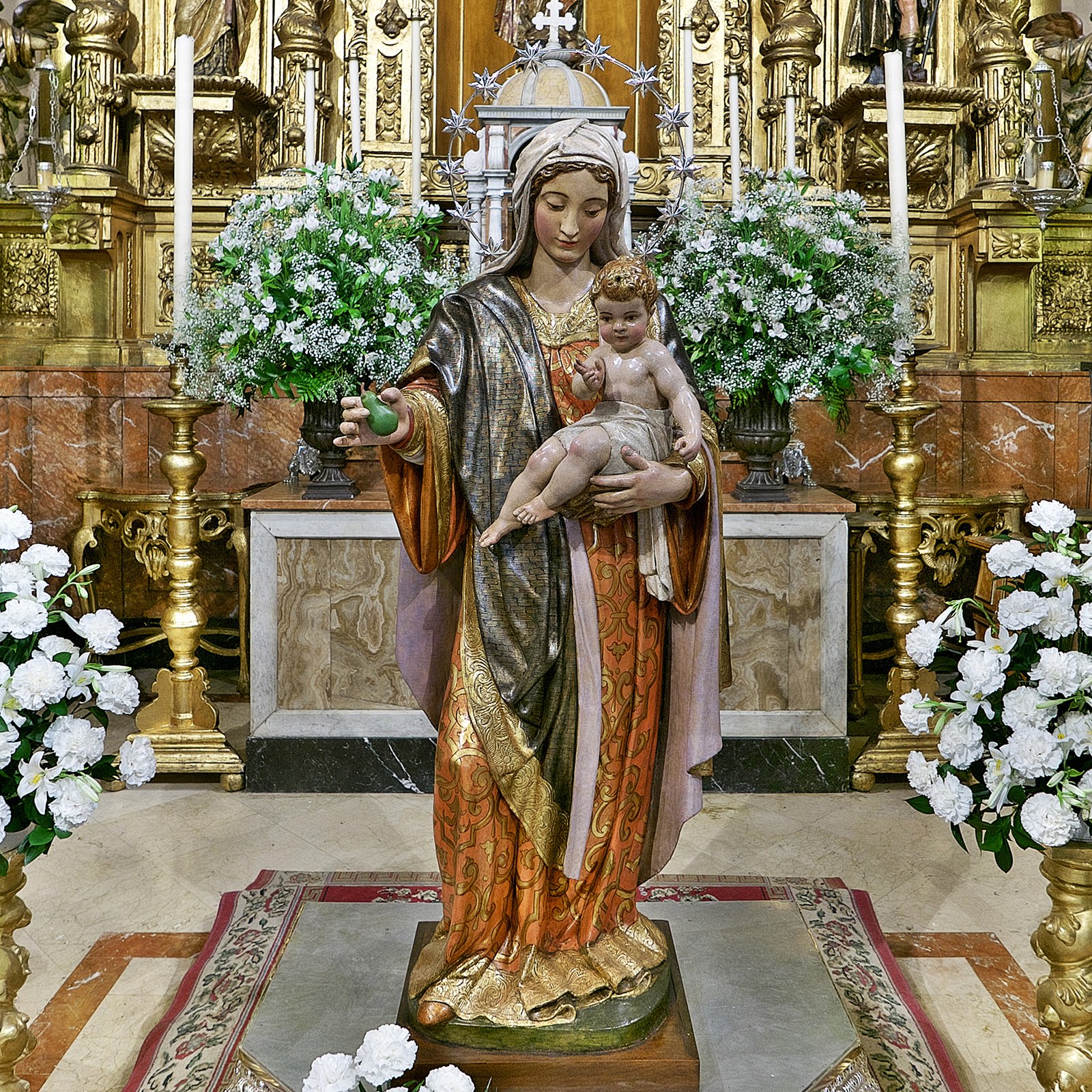
The altarpiece is in neo-baroque style, made in the 20th century. It is divided into three sections and two horizontal bodies. In the main niche we find a magnificent sculpture of the Virgin and Child, known as the Virgin of the Meadow. It was made by Jerónimo Hernández around 1577 and is an outstanding example of Renaissance sculpture in the city. The Child Jesus appears blessing with a sweet gesture while the Virgin holds a pear in her right hand. It should be remembered that this image acted as patron and protector of market gardeners and country people in this area of ​​Seville.

On the side streets are the sculptures of San Pedro and San Roque. In the centre of the second body is San Sebastián, the patron saint of the temple, flanked by San Jacinto and Santo Domingo de Guzmán. All the sculptures seem to be original from the 18th century, although they were probably re-painted later.

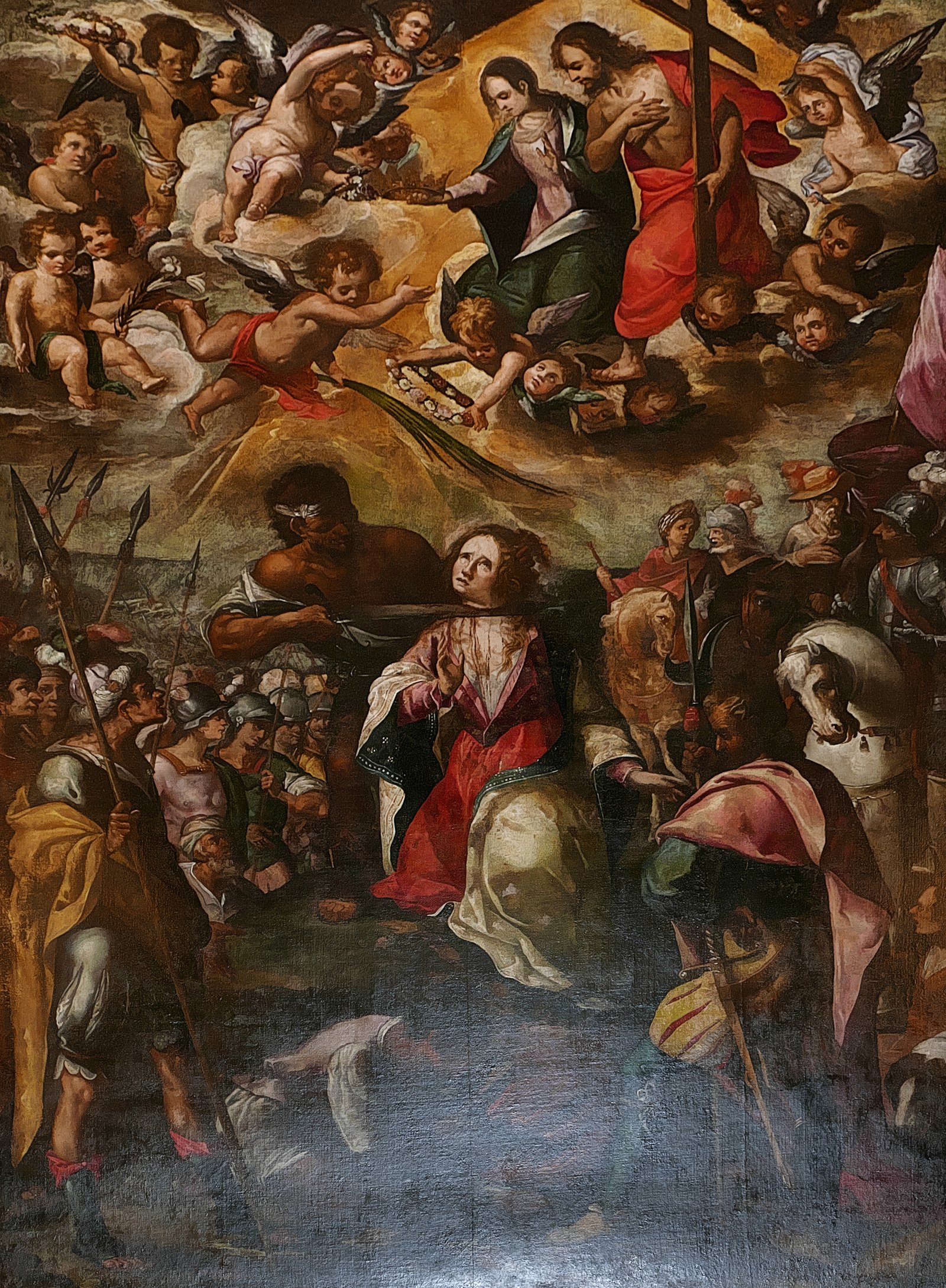
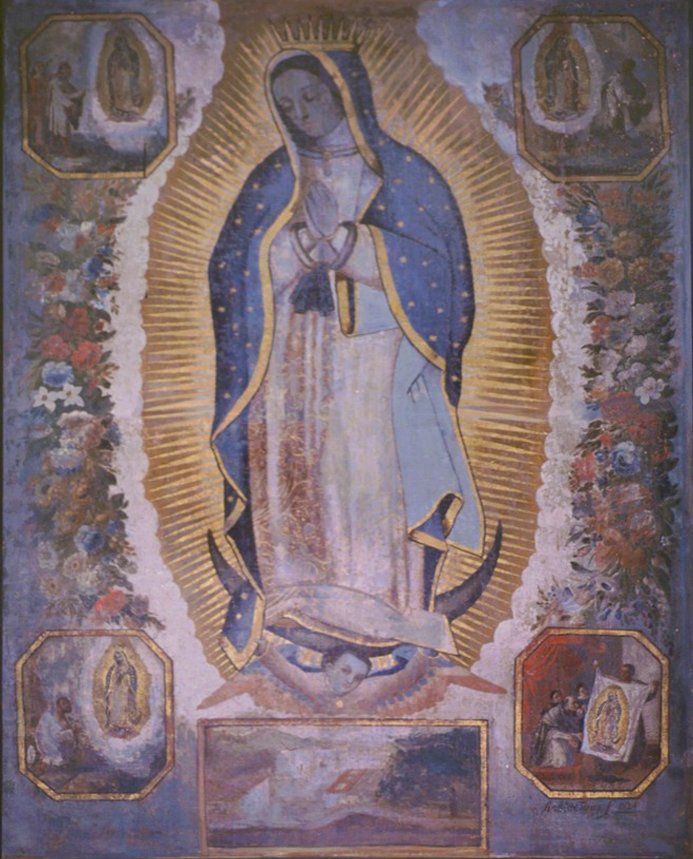
Other sculptures and paintings are displayed on the walls of the naves. One of the most notable is a carving of the Immaculate Conception from the 18th century, which presides over a stucco altarpiece in neoclassical style. There are also some carvings from the 20th century, such as the Sacred Heart, which presides over a neo-Baroque altarpiece. Among the paintings, we find several copies of originals by Murillo and some other Baroque paintings, such as the "Martyrdom of Saint Lucy" (Francisco Varela, c. 1637), the "Annunciation" or the "Marriage of the Virgin". From the same period there are representations of various saints, such as Saint Lawrence, Saint Agnes or Saint Sebastian, and an interesting "Virgin of Guadalupe", a copy of the Mexican original made by Antonio Torres in 1740.

As we said, at the head of the left nave is the sacramental chapel, where the titular images of the Hermandad de la Paz are worshipped. The chapel is covered by a groin vault with a lantern in the centre and presided over by a neo-baroque altarpiece. In the centre we find Nuestro Padre Jesús de la Victoria, a sculpture made by Antonio Illanes Rodríguez in 1940. It forms part of a float in which Jesus is seen taking the cross to carry it on the way to Calvary, although when it is in its chapel the image is logically shown without the cross. On the left is the image of María Santísima de la Paz, made in 1939 also by Antonio Illanes, who is said to have been inspired for the face of the image by the facial features of his wife, Isabel Salcedo. When it comes to the procession, the image stands out for the white and silver tones of its float, both in the canopy and in the figure of the Virgin herself. This whiteness is a clear sign of the devotion to Peace and creates a very unique and iconic image during Holy Week in Seville. The same artist also made the sculpture of Saint John that occupies the niche on the right of the altarpiece.

THE SEPHARDIM

The term Sephardic refers both to the Jews who historically inhabited the Iberian Peninsula (Sepharad), and to the descendants of the Jews expelled from Spain in 1492 and from Portugal in 1497. On March 31 of that year, an edict of expulsion was issued against all Jews who refused to accept Christianity. Some accepted conversion, but others, around 200,000, left for North Africa, Italy and especially Turkey, where they were warmly welcomed by the Sultan. Thus the Sephardic diaspora was created, a dispersion within a dispersion that not only looked to Israel as its homeland, but had been indelibly marked by a long stay in Spain. The exiles brought with them the language and songs of Spain, which they faithfully preserved, and even many of the foods characteristic of the Peninsula. They also bore Spanish personal and family names, and their worldview had been shaped by the customs and conduct of their Spanish neighbors.

Among these settlers were many who were descendants or heads of wealthy families and who had held prominent positions in the countries they had left. Some had been state officials, financiers, and owners of mercantile establishments. There were also doctors or scholars who had served as teachers in secondary schools. The many sufferings they had endured for the sake of their faith had made them more self-conscious than usual. They sometimes considered themselves a superior class, something like the nobility of Judaism. This sense of dignity possessed by the Sephardim was manifested in their general behavior and in their scrupulous attention to dress.

1. Saint-Jean-de-Luz. 2. Biarritz. 3. Bayonne. 4. Tartes. 5. Bordeaux. 6. La Rochelle. 7. Nantes. 8. Rouen. 9. Paris. 10. London. 11. Bristol. 12. Dublin. 13. Brussels. 14. Antwerp. 15. Rotterdam. 16. The Hague. 17. Amsterdam. 18. Emden. 19. Glückstadt. 20. Altona. 21. Hamburg. 22. Copenhagen. 23. Marseille. 24. Lyon. 25. Turin. 26. Genoa. 27. Milan. 28. Padua. 29. Venice. 30. Ferrara. 31. Lucca. 32.Pisa. 33.Livorno. 34.Florence. 35.Ancona. 36.Rome. 37.Naples. 38.Palermo. 39.Messina. 40.Split. 41.Vienna. 42.Budapest. 43.Belgrade. 44.Ragusa. 45.Sofia. 46.Thessaloniki. 47.Adrianopolis. 48.Istanbul. 49.Arta. 50.Athens. 51.Smyrna. 52.Krakow. 53.Zamosc. 54.Beirut. 55.Damascus. 56.Acre. 57.Safe. 59.Tiberias. 60.Jerusalem. 61.Gaza. 62.Cairo. 63.Alexandria. 64.Tunis. 65.Algiers. 66.Oran. 67.Fez.

The number of Sephardim who have rendered important services to different countries is considerable, from Samuel Abravanel (financial adviser to the viceroy of Naples) to Benjamin Disraeli. Among other names mentioned are those of Belmonte, Nasi, Pacheco, Palache, Azevedo, Sasportas, Costa, Curiel, Cansino, Schonenberg, Toledo, Toledano and Teixeira.

The Sephardim occupy the first place in the list of Jewish doctors. Many of them won the favor of rulers and princes, both in the Christian and Muslim worlds. The fact that the Sephardim were chosen for prominent positions in all the countries in which they settled was due to the fact that Spanish had become a world language through the great expansion of Spain since the end of the 15th century. From Tangier to Salonika, from Smyrna to Belgrade and from Vienna to Amsterdam and Hamburg, they preserved not only Spanish dignity but also the Spanish language. Thus was born the Judeo-Spanish or Ladino language, preserved with great tenacity from generation to generation to the present day, with today some 150,000 speakers in Israel alone.

For a long time the Sephardim were actively involved in Spanish literature. They wrote in prose and rhyme, and were authors of theological, philosophical, literary, pedagogical and mathematical works. The rabbis, who, like all Sephardim, placed great emphasis on a pure and euphonious pronunciation of Hebrew, delivered their sermons in Spanish or Portuguese; several of these sermons appeared in print. Their thirst for knowledge, together with the fact that they interacted freely with the outside world, led the Sephardim to establish new educational systems wherever they settled; they founded schools in which the Spanish language was the medium of instruction.

Sephardic Jewish couple in traditional dress in Sarajevo at the end of the 19th century. Wikimedia Commons.

In Amsterdam, where they were especially prominent in the seventeenth century on account of their numbers, wealth, education, and influence, they established poetical academies after Spanish models; two of these were the Academia de los Sitibundos and the Academia de los Floridos. In the same city they also organized the first Jewish educational institution, with graded classes in which, in addition to Talmudic studies, instruction was given in the Hebrew language.

The Sephardim have preserved the romances and the old melodies and songs of Spain, as well as a large number of old Spanish proverbs. Several plays for children, such as "El Castillo," were very popular with them, and they still manifest a fondness for the dishes peculiar to Spain, such as "pastel," or "pastelico," a kind of meat pie, and "pan de España," or "pan de León."

Mainly in those families that kept Ladino as their main language, the most common names were those of Spanish origin, such as Aleqría, Ángel, Ángela, Amado, Amada, Bienvenida, Blanco, Cara, Cimfa, Comprado, Consuela, Dolza, Esperanza, Estimada, Estrella, Fermosa, Gracia, Luna, Niña, Palomba, Preciosa, Sol, Ventura y Zafiro; y apellidos españoles como Belmonte, Benveniste, Bueno, Calderón, Campos, Cardoso, Castro, Curiel, Delgado, Fonseca, Córdoba, León, Lima, Mercado, Monzón, Rocamora, Pacheco, Pardo, Pereira, Pinto, Prado, Sousa, Suasso, Toledano, Tarragona, Valencia y Zaporta.

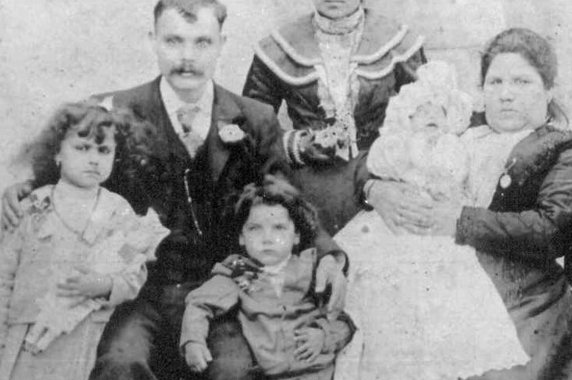
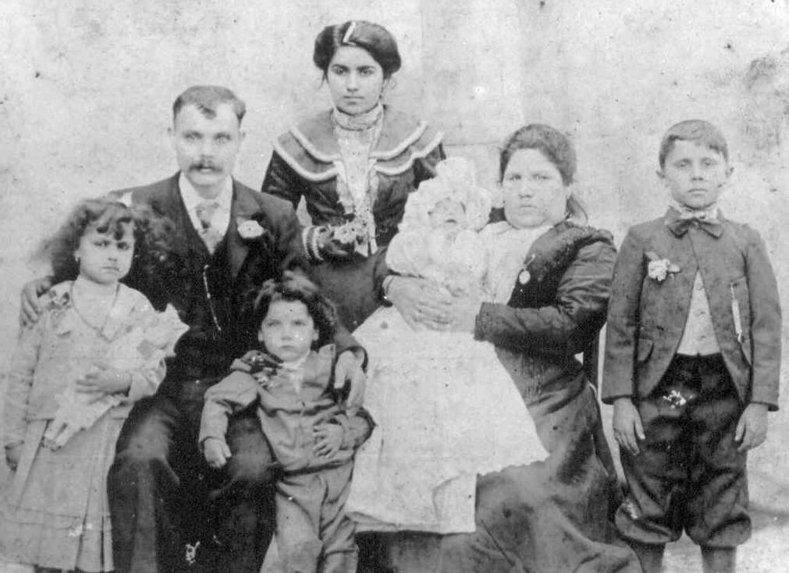
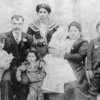
Family of Sephardic Jews in Argentina at the beginning of the 20th century. Wikimedia Commons.

For a long time, Sephardim married predominantly other Sephardim. They also made an effort to maintain the particularity of the ritual with respect to the Ashkenazi one. Wherever Sephardic Jews settled, they grouped together according to the country or district from which they had come and organized separate communities with legally promulgated statutes. In Constantinople and Salonika, for example, there were not only Castilian, Aragonese, Catalan, and Portuguese congregations, but also in Toledo, Cordoba, Evora, and Lisbon.

Great authority was given to the president of each congregation. He and the rabbinate of his congregation formed the "ma'amad," without whose approval (often written in Spanish, Portuguese, or Italian) no book with religious content could be published. The president not only had the power to make authoritative resolutions regarding the affairs of the congregation and to decide communal questions, but he also had the right to observe the religious conduct of the individual and to punish anyone suspected of heresy or of transgression of the laws. He often proceeded with great zeal and with inquisitorial severity, as in the cases of Uriel Acosta and Spinoza in Amsterdam.

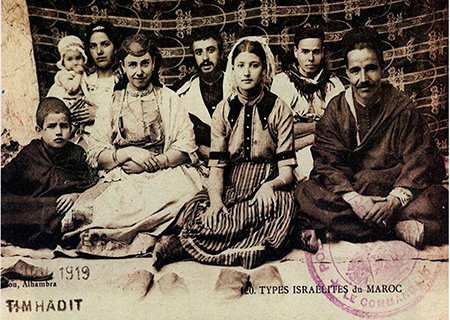
Group of Sephardim in Morocco around 1919. Wikimedia Commons.

15TH CENTURY: TOWARDS THE EXPULSION OF 1492

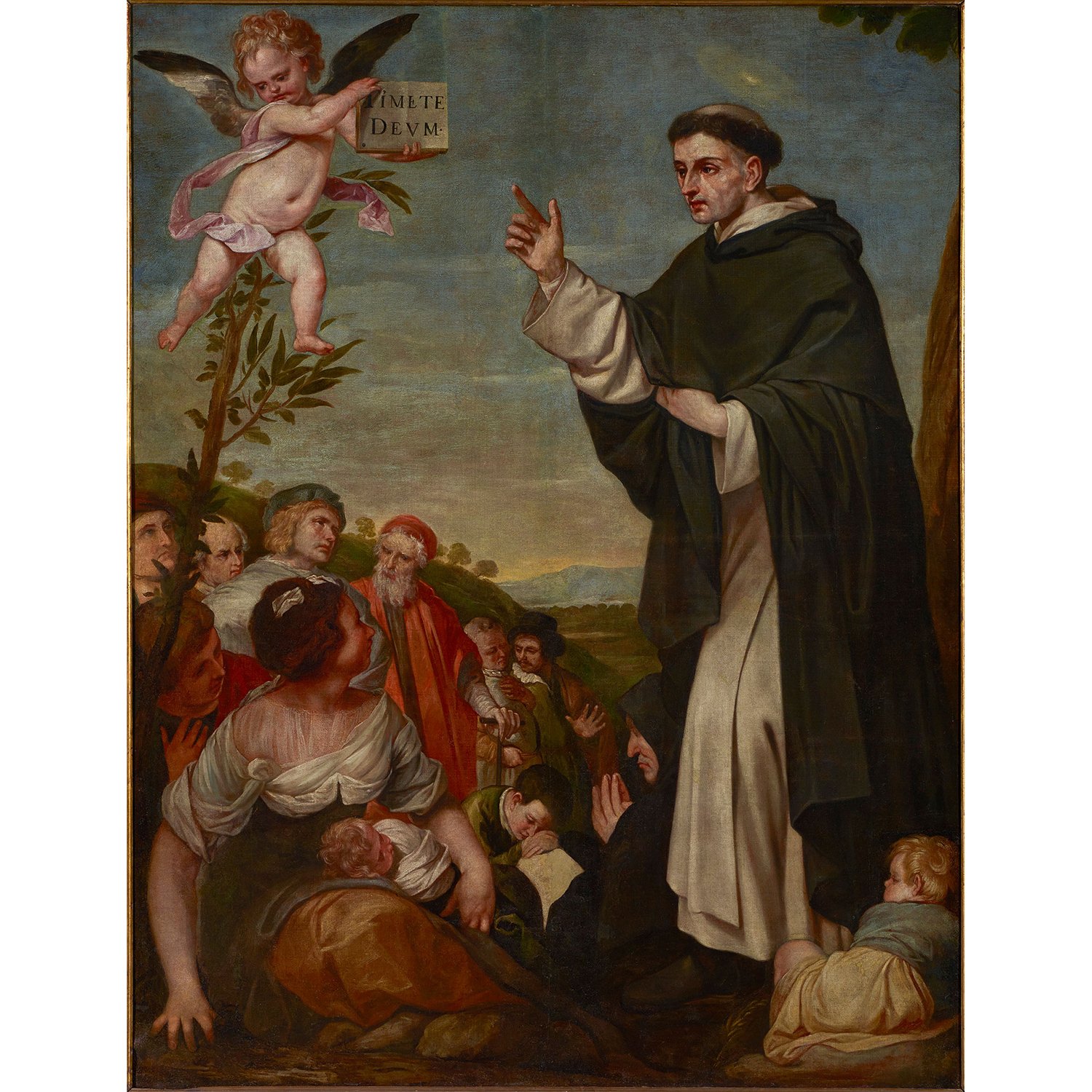
The Church maintained a very firm position against Jews and false converts, with numerous preachers travelling around the country to protest against the Hebrew faith, among them the famous Vicente Ferrer. In the same vein, on papal initiative, the so-called Tortosa dispute was organised, a long inter-religious debate that took place mainly in this city of Tarragona at the beginning of the 15th century. Representatives of Christian converts and Jews participated in it. The main aim was to refute any thesis of the Jews and to promote their baptism, sometimes even en masse. In addition, there was no lack of anti-Jewish legal provisions, such as those promulgated in Castile in 1412. According to these, Jews had to let their hair and beards grow to distinguish themselves from Christians and they were forbidden to work as tax collectors or hold any other public office. Among many other limitations, they were also forbidden to treat Christian patients as doctors and to engage in lending with interest.

However, in the second half of the 15th century there seems to have been a timid normalisation of the situation and we once again find Jews occupying important positions in the administration, mainly during the reigns of Henry IV of Castile and John II of Aragon.

"Predicación de san Vicente Ferrer" (Alonso Cano, 1645). This Valencian preacher belonging to the Dominican order was one of the most determined promoters of anti-Jewish measures at the beginning of the 15th century. Fundación Banco Santander.
However, the road to the end of the Spanish Jewish quarters was already inexorable. The traditional climate of tolerance of the Hispanic kingdoms in previous centuries gave way to a period of constant tension in which the mere presence of Jewish communities was increasingly accepted with increasing difficulty by the rest of the population, often encouraged by provisions in the same direction by the ecclesiastical and secular authorities.

In this general context, Isabel I came to the throne in 1474, married to Ferdinand of Aragon, proclaimed king of his own kingdom just five years later. In this way, a period of joint government of the two main peninsular crowns began, laying the seed of what would become Spain from the 16th century onwards. At that time, the Middle Ages were being left behind, while the legal and institutional foundations of what is a modern State, governed by a centralized monarchy, were being laid. Religious uniformity was understood as an indispensable requirement for this new model of government and this uniformity involved the imposition of the majority faith, which was Christianity.

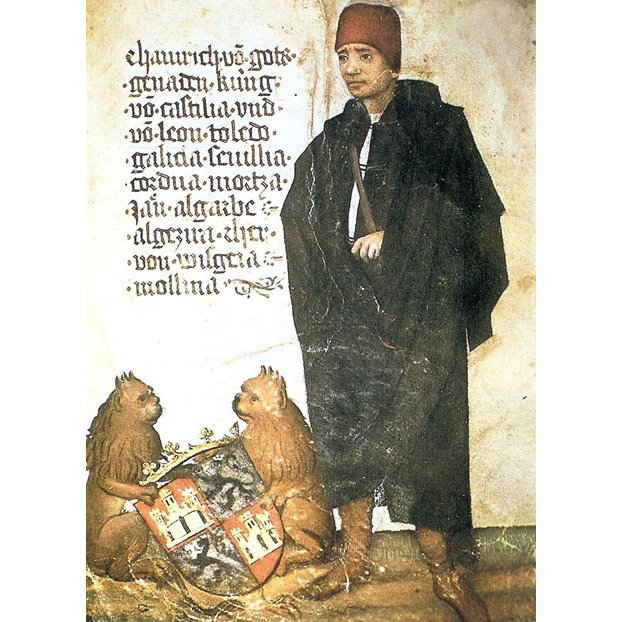
Henry IV of Castile in an illustration from the manuscript of the German traveller Jorg von Ehingen from 1455.

Furthermore, it is necessary to point out that the decision to expel the Jews was not exclusive to Spain. In fact, our country was one of the last European territories to adopt this measure. As an example, we can cite England, where the Jews were expelled in 1290, or France, where up to four expulsions were decreed between 1182 and 1394. It was, therefore, an ideological current that ran through Europe throughout the Late Middle Ages.

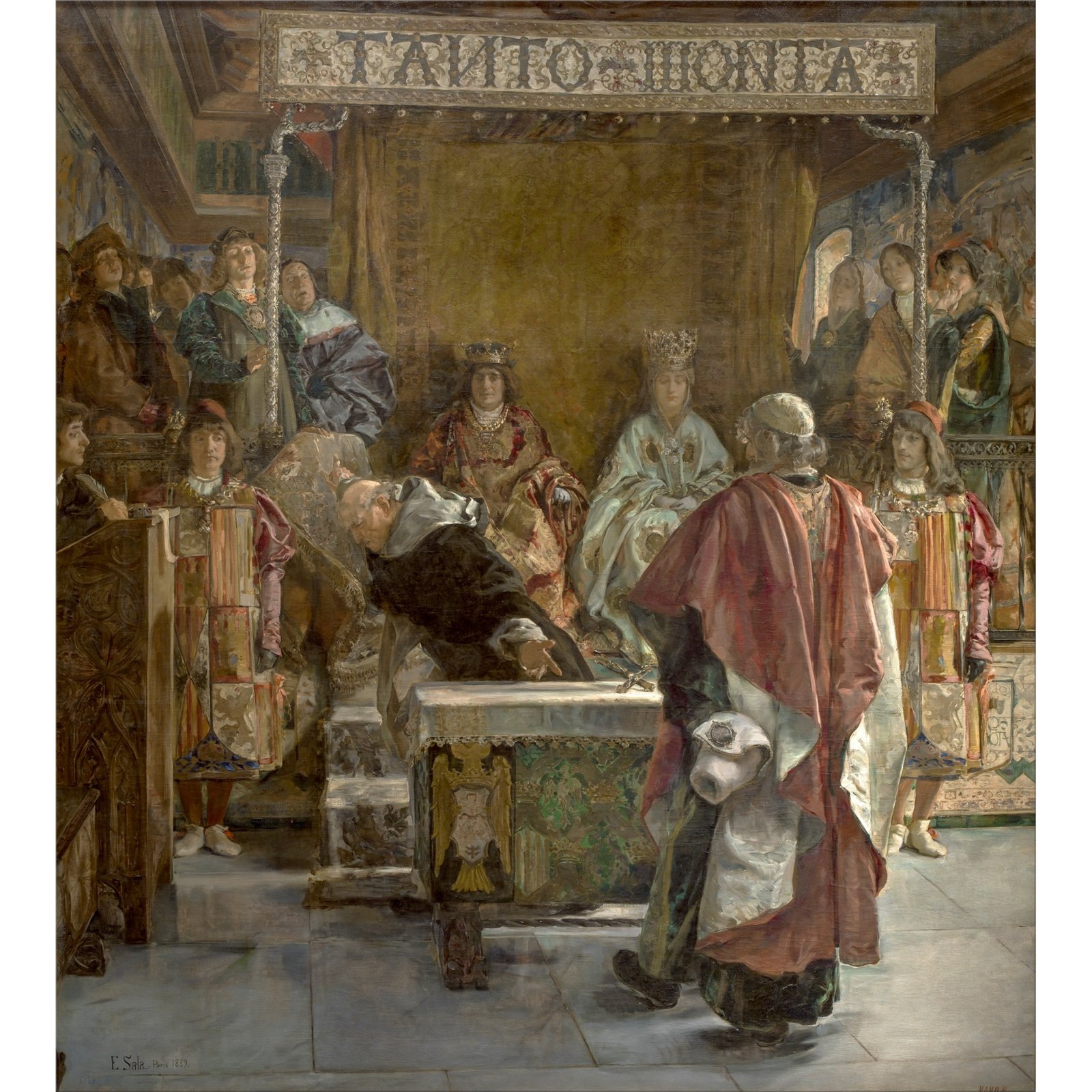
In the case of the Catholic Monarchs, if we look at the content of the Edict in which the expulsion was decreed, it seems that the main motivation was related to the problem of the converts. As we said before, thousands of Jews chose to embrace the Christian faith during the 15th century and, according to various sources, not all of them did so sincerely. To guarantee the orthodoxy of the faith of the new Christians, the Spanish Inquisition was instituted in 1478, directly under the control of the Crown. Two years later, the Catholic Monarchs decreed the strict separation of the aljamas into special quarters to ensure that there was no contact between the new Christians and the Jews, since it was understood that this contact was the most important obstacle that prevented sincere conversions. Finally, on March 31, 1492, the famous Edict of Granada was decreed, ordering the expulsion of the Hispanic kingdoms. Right at the beginning of its exposition of reasons, the edict makes its motivation clear: “It is well known that in our domains, there are some bad Christians who have Judaized and committed apostasy against the holy Catholic faith, the majority of which is caused by relations between Jews and Christians.”

"Expulsión de los judíos de España" (Emilio Sala, 1889). The painter recreates a supposed audience that the Catholic Monarchs granted to a representative of the Jewish community to defend his arguments. On the other side, you can see the general inquisitor, Tomás de Torquemada, vehemently defending the expulsion. Museo del Prado.
The edict allowed Jews who were willing to accept Christianity to stay, but ordered the expulsion of all others, regardless of age.

We further order in this edict that Jews, both male and female, of whatever age, residing in our domains or territories, depart with their sons and daughters, servants, and relatives, small or large, of all ages by the end of July of this year and that they dare not return to our lands and that they take no step forward to trespass in such a way that if any Jew who does not accept this edict is found in these domains or returns, he will be punished with death and confiscation of his property.

There is no way of knowing how many people were forced to leave the country. The historian and theologian Juan de Mariana spoke of 800,000, but that figure is now considered totally absurd. Based on various local studies, current historians place the number of those expelled at around 200,000 people.

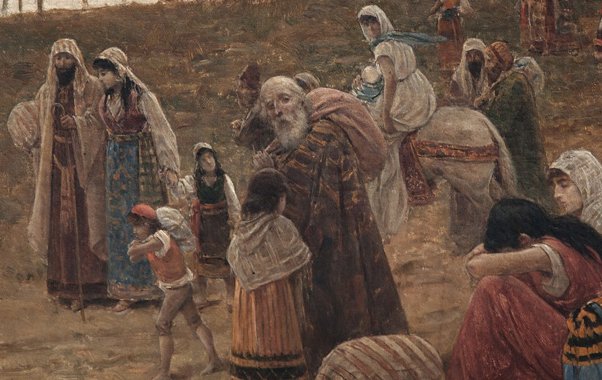
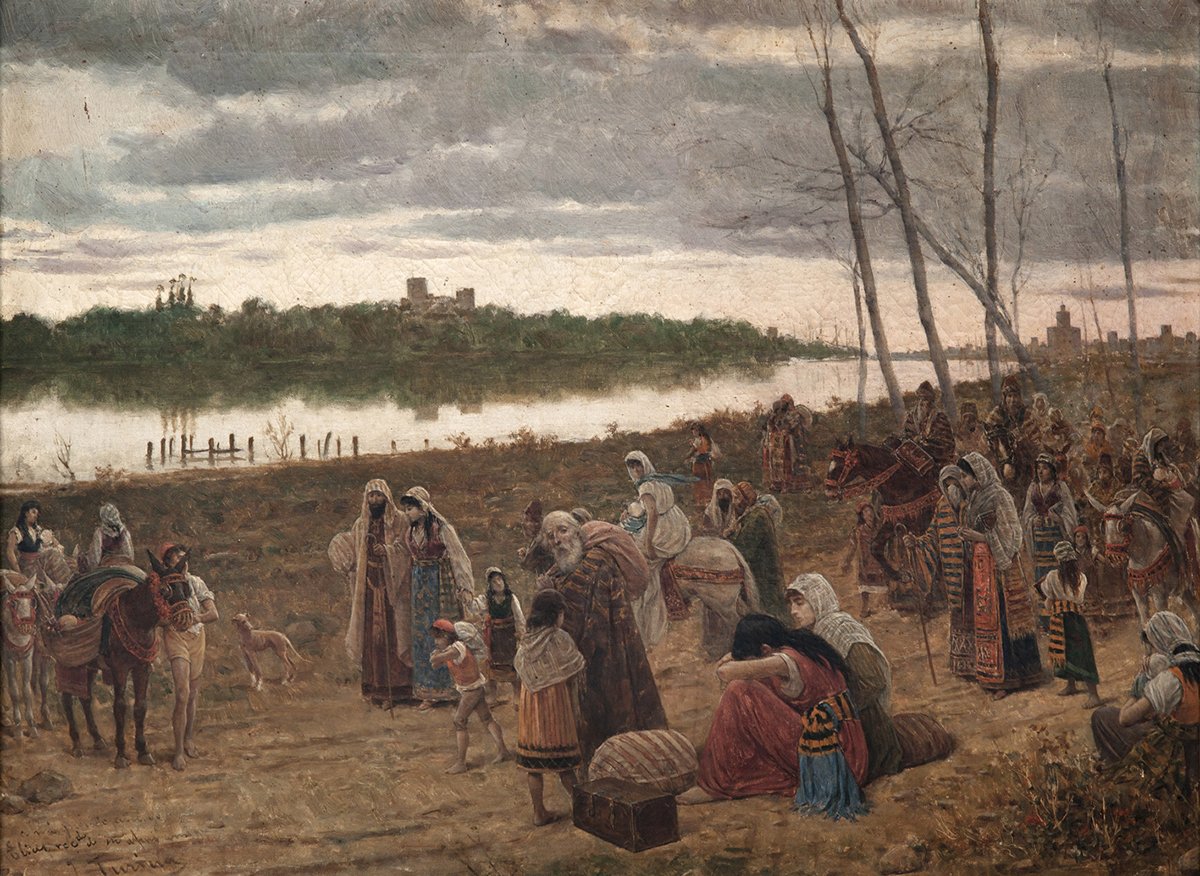
"La expulsión de los judíos de Sevilla", recreated by the Sevillian painter Joaquín Turina y Areal in the last third of the 19th century. Private collection.
En mayo comenzó el éxodo, la mayoría de los exiliados –unas 100.000 personas– encontraron refugio temporal en Portugal (de donde fueron expulsados ​​los judíos en 1497), mientras que el resto se dirigió al norte de África y Turquía, el único país importante que les abrió sus puertas. Algunos encontraron hogares provisionales en el pequeño reino de Navarra, donde todavía existía una antigua comunidad judía, pero allí también su estancia fue breve, ya que los judíos fueron expulsados ​​en 1498. Un número considerable de judíos españoles, incluido el rabino principal Abraham Seneor y la mayoría de los miembros de las familias influyentes, prefirieron el bautismo al exilio, sumándose a los miles de conversos que habían elegido este camino en una fecha anterior. El 31 de julio de 1492, el último judío abandonó España. 

Sin embargo, el judaísmo sefardí no había desaparecido en absoluto, ya que casi en todas partes los refugiados reconstruyeron sus comunidades, aferrándose a su antigua lengua y cultura. En la mayoría de las áreas, especialmente en el norte de África, se encontraron con descendientes de refugiados de las persecuciones de 1391. En Israel les habían precedido varios grupos de judíos españoles que habían llegado allí como resultado de los diversos movimientos mesiánicos que habían sacudido al judaísmo español. 

Oficialmente, no quedaban judíos en España. Sólo quedaban los conversos, un gran número de los cuales se mantuvieron fieles a su fe original. Algunos cayeron más tarde víctimas de la Inquisición; otros lograron huir de España y regresar abiertamente al judaísmo en las comunidades sefardíes de Oriente y Europa.

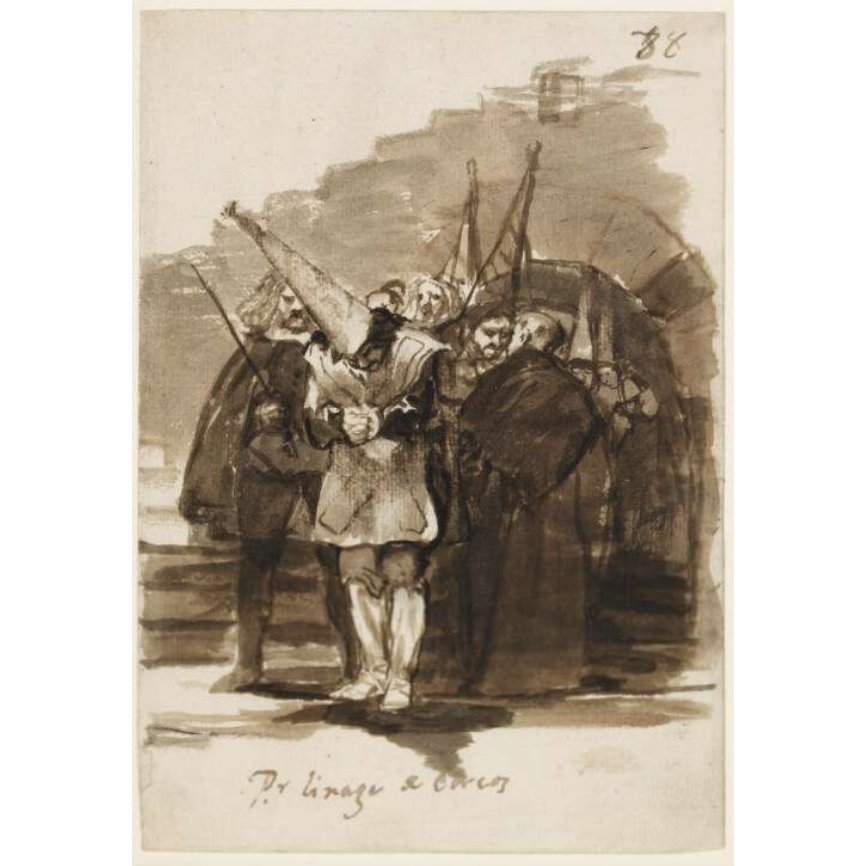
Dibujo de Francisco de Goya titulado "Por linaje de hebreos" en el que se muestra a varios condenados por la Inquisición, que portan el clásico capirote con el que se los humillaba. Se ha datado entre 1814 y 1823. British Museum.

THE ANTI-JEWISH MASSACRES OF 1391

The growing anti-Jewish atmosphere that developed during the 14th century reached its climax in 1391, when a wave of violence that began in Andalusia swept through most of the peninsular territories, leaving numerous Jewish communities destroyed and hundreds of human lives lost.

The initial spark that unleashed this wave of violence was lit in Seville. The Jewish quarter of Seville was one of the most important in Castile, with many of its members in a very advantageous socio-economic situation, which perhaps served as an incentive for the growing hatred among Christians. In this context, there was a person who was especially responsible for what happened. This was the sadly famous Ferrán Martínez, a clergyman who worked as a preacher, fuelling hatred against the Jews. It is known that in numerous public speeches he defended all kinds of theories against the Hebrew people. The basis of his reasoning was to justify all the sufferings of the kingdom with a divine punishment that would come from the fact that the "deicidal people" were allowed to live among Christians. The authorities were aware of the dangerous message and both King John I and Archbishop Gomez Barroso admonished the religious man and required him to put an end to his diatribes. However, the archbishop died in 1390 and the king in 1391, producing a situation of power vacuum that was exploited by the archdeacon to further increase his hate speech.

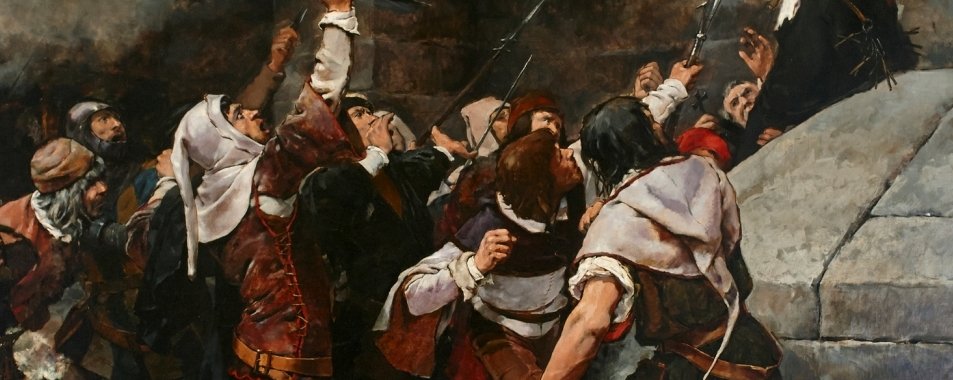
Reenactment of the anti-Jewish massacre of 1391 in Toledo. Vicente Cutanda, "A los pies del Salvador". 1887. Museo del Prado.

Finally, in June 1391, a violent mob broke into the Jewish quarter of Seville and unleashed a terrible massacre. Many Jews were forced to be baptized and many others were killed. It is not possible to know for sure how many people lost their lives; some contemporary sources speak of 4,000 dead, but this figure is clearly exaggerated. However, it is not unreasonable to think that hundreds of Jews lost their lives. The Jewish quarter of Seville, which had been the second most important in the kingdom, disappeared as such after this attack, with many of the Jewish possessions given to members of the court. It is believed that in the following century there were still about fifty Jewish families in the city, but they were dispersed throughout the city and in a state of impoverishment.

This wave of violence spread like wildfire through the Guadalquivir valley and within a few days similar attacks took place in towns such as Alcalá de Guadaira, Carmona, Écija, Cazalla, Fregenal, Córdoba, Montoro, Andújar, Jaén, Úbeda and Baeza. In Castile, the pogrom was soon reflected in Toledo, the most important Jewish quarter in the kingdom, and from there to Santa Olalla, Huete, Madrid, Segovia and Burgos. In the kingdom of Valencia, the Jewish quarter of the capital was the first to be attacked and from there the violence spread to Alcira, Játiva, Alicante and Orihuela. Practically at the same time, similar attacks took place in the area of ​​Catalonia. Beginning in Barcelona, ​​they multiplied in Tarragona, Gerona, Lérida, Besalú, Camprodón and Perpignan. In the Kingdom of Aragon, the Jewish quarters most affected were those of Tamarite de Litera, Barbastro and Jaca, while in the Kingdom of Majorca the Jewish quarter of its capital was attacked.

The pogroms of 1391 marked a turning point in the history of the Sephardic Jews. Many of them lost their lives and many others had their property taken away, which was plundered by violent assailants. Most of the Jewish quarters entered a phase of slow decline and many others disappeared. There have often been attempts to give a death toll and there are authors who have indicated that there could have been around 400 Jews killed in Seville, 250 in Valencia and around 300 in Barcelona. The reality is that there is no documentation that allows us to give a reliable figure.

But probably the main consequence of the massacres of 1391 was the great wave of conversions to Christianity that took place in the Peninsula. In fact, everything seems to indicate that the pressure on the Jews became so extreme that most of them decided to be baptized. It is logical to think that many of these conversions were not sincere, but were motivated by the terrible situation. In this way, the issue of converted Jews appears to be an increasingly important problem. If there was anything worse than being Jewish in medieval Spain, it was being a Christian who "Judaized," that is, a convert who in reality remained faithful to the Mosaic faith. These were called "marranos" and were the object of great social rejection.

14TH CENTURY: THE END OF PEACEFUL COEXISTENCE

The peaceful coexistence of the Christian and Jewish communities, which coexisted in practically all the cities and important population centres, was the dominant trend until the 13th century. However, in the following century this status quo began to crumble and there was growing conflict and rejection of the Jews by the Christians. Episodes of violence became more frequent and reached their peak in the terrible pogroms of 1391.

The reasons to explain this change in dynamics are diverse and complex. Perhaps we should start with the internal fissures and contradictions that existed within the Jewish community. As Julio Valdeón explains, from a social point of view there was a very clear difference between the minority of wealthy Jews, who enjoyed great privileges and had close relations with Christian kings and magnates, and the large mass of small merchants, artisans, farmers, etc., victims par excellence of the wrath of the Christian people. The gap between the two groups was also evident in the area of ​​religious beliefs. The members of the oligarchy, greatly influenced by Averroes and Maimonides, had generally reduced their beliefs to a vague deism. The popular masses, on the other hand, remained faithful to the Mosaic tradition. In the final years of the 13th century, the mystical ideas of the Kabbalah made a strong entrance among the popular sectors. The licentious life of the courtly Jews and their religious lukewarmness were ruthlessly castigated by the pietists. In this way, tensions within the Jewish community itself were accentuated.

Representation of the Battle of Nájera (1367), one of the episodes of the Castilian civil war that pitted Pedro I against his half-brother, Enrique de Trastámara, between 1351 and 1369. The climate of violence surrounding this conflict was one of the determining factors in the general deterioration of the situation of the Jews in the kingdom. «Chroniques sire Jehan Froissart», Bibliothèque Nationale de France.

But apart from the internal problems of the Jewish community, most of the conflicts with the Christians were due to the nature of the social and economic relations between Christians and Jews. It must be remembered that many Jews held positions in the tax administration, linked, therefore, to the collection of taxes. Some of them were even the highest officials in fiscal policy and guardians of the royal treasury, which aroused enormous suspicions and animosity among Christians, especially in times of crisis when it was difficult to meet tax obligations. It must be remembered that the 14th century was especially turbulent and violent, with the economy in a state of constant deterioration.

The profession of moneylenders to which many Jews dedicated themselves was also problematic. In general, credit is essential for the functioning of a minimally developed economy. Not only the Crown, but also many individuals resorted to money lent by the Jews when the situation made it necessary. However, when the crisis and poverty became widespread, the profits obtained by the moneylenders were seen as indecent by the majority of the population, ending up forming another reason for hatred that was at the direct origin of many of the acts of violence suffered by the Jews.

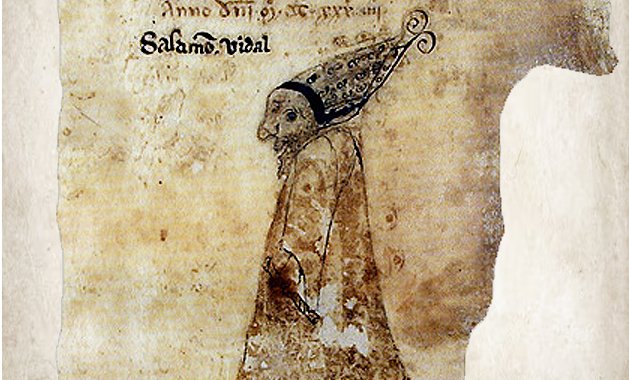
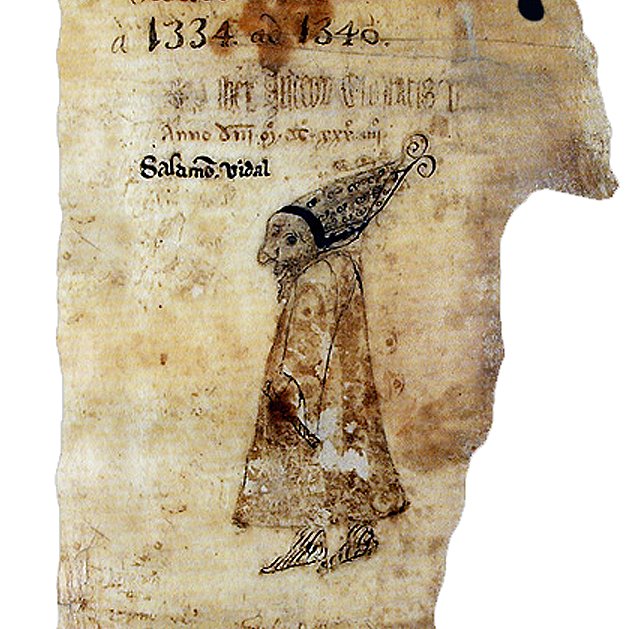
Caricature of a Jew called Salomó Vidal found in the "Liber Iudeorum" preserved in the Episcopal Archive of Vic, Cúria Fumada (1334-1340).

Finally, we must not forget the religious motives in the strict sense. The Jewish people were constantly identified as the deicide people and were frequently accused of all kinds of behaviour contrary to the Christian faith. Throughout the Middle Ages, the Crown, the Cortes and the Papacy promulgated numerous provisions promoting the segregation of the Jews from the rest of society, as a measure to avoid any kind of proselytism of the Mosaic faith. This anti-Jewish ideological substratum was permanent and in times of crisis or conflict it served as a theoretical framework that supported attacks and outrages against the Jews. On countless occasions the Jews were the scapegoat who paid the consequences in times of social tension.

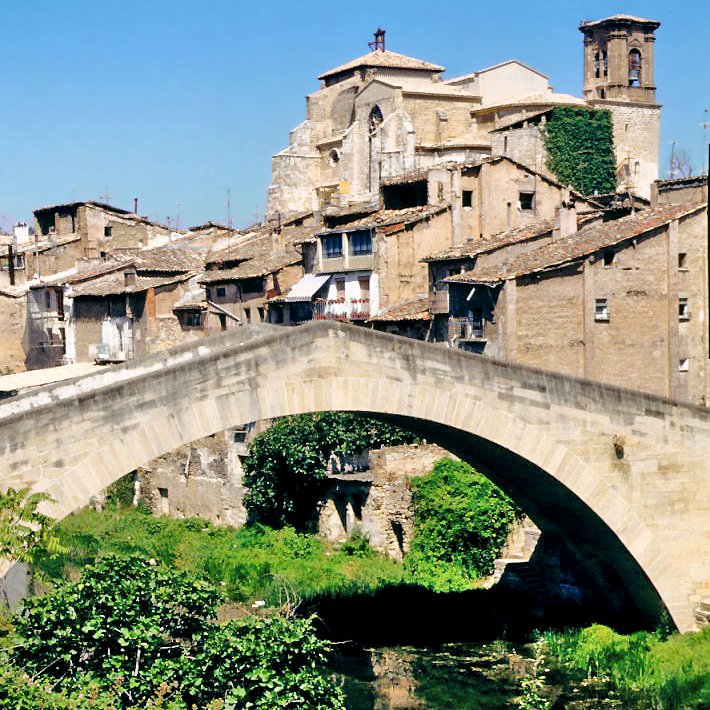
The first signs of large-scale violence were found in the kingdom of Navarre. When King Charles IV died in 1328, a period of dynastic crisis began which was the perfect setting for these attacks. Groups of "Jew-killers" dedicated themselves to the assault and destruction of numerous Jewish quarters in the kingdom. They did so under the influence of a similar movement that took place in the south of France at the beginning of that century, when groups of extremists dedicated themselves to violently harassing Jewish populations. In addition, there were several preachers encouraging this hatred, such as the Franciscan Pedro Olligoyen, who was singled out as one of the main perpetrators of the outbreak of violence. The authorities managed to contain the attacks in Pamplona and Tudela, where the most important Jewish quarters were located, but anti-Jewish violence broke out in other towns, such as in Funes, San Adrián or Viana. The case of Estella was particularly serious, whose Jewish quarter was completely destroyed.

The Jewish quarter of Estella - Lizarra was completely destroyed after the violent attack it suffered in 1328.

A couple of decades later, a new anti-Jewish outbreak occurred, this time in the area of ​​Catalonia. In this case, the most direct motivation was linked to the spread of the Black Death. In many places in Europe, especially in the Rhine valley, the arrival of this deadly disease was linked to the spread of rumours that blamed the Jews, accusing them of poisoning the air and water. A few days after the first ravages of the epidemic occurred in Barcelona, ​​in May 1348, there was a violent assault on the Jewish quarter. King Pedro the Ceremonious tried to suppress the outbreak, but could not prevent similar attacks in Montblanch, Tárrega, Cervera, Villafranca del Penedés and Lérida.

In the case of Castile, violence against Jews found its perfect breeding ground in the civil war between King Pedro I and his half-brother Enrique de Trastámara between 1351 and 1369. Enrique's supporters soon spread the unfounded theory that Pedro was not actually the son of the previous king, Alfonso XI, but of a Jew who had given him up for adoption to the monarch. Pedro was frequently referred to as "the Jew" and the large number of Jews who held positions of responsibility at court was denounced as a symbol of degradation. In this context of general conflict, numerous Castilian Jewish communities suffered attacks, sometimes at the hands of foreign combatants who participated in the conflict on both sides, such as the French under the command of Bertrand du Guesclin or the English under the orders of the Black Prince. This occurred, for example, in Briviesca, Aguilar de Campoo or Villadiego. On other occasions, it was the inhabitants of the cities themselves who turned against the Jews, as in Valladolid, Segovia, Ávila or Toledo.

The latter city suffered especially from this war even after its end. Shortly after ascending to the throne, Henry II imposed an enormous tribute on the Jews of Toledo, plundered and impoverished, as punishment for their loyalty to Peter. He ordered that all property, movable and immovable, belonging to the Jews of Toledo be sold at public auction and that all the latter, both women and men, be imprisoned and starved and tortured in other ways until they had raised this immense sum.

Sculptural representation of Pedro I on Cabeza del Rey Don Pedro Street in Seville.

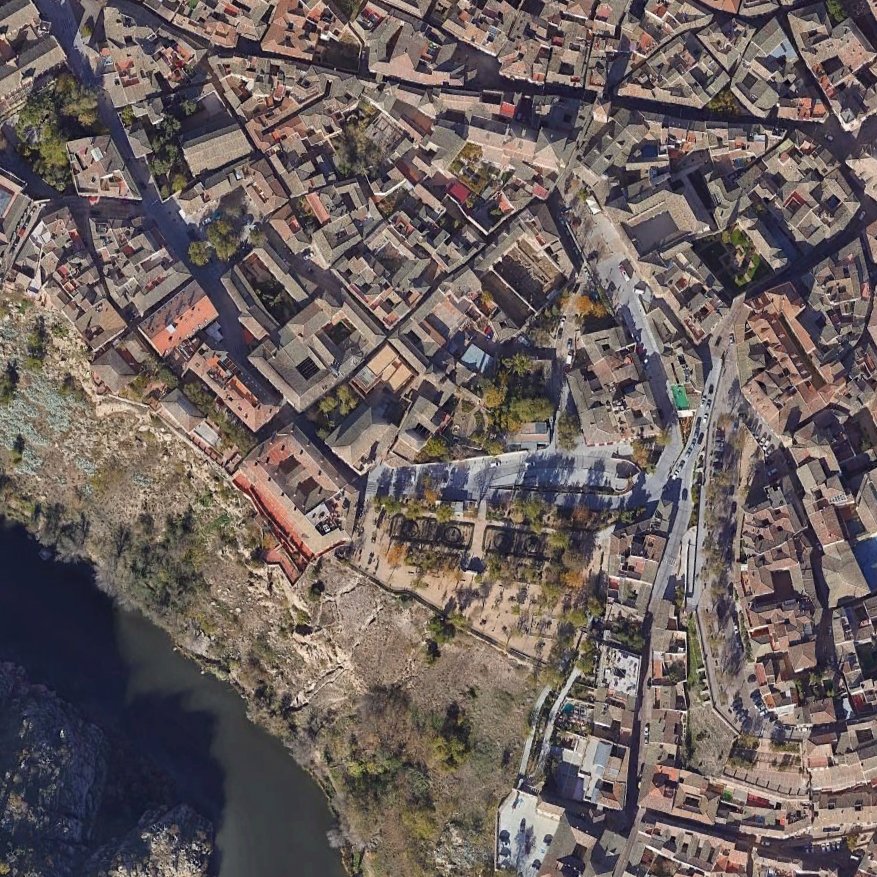
Area of ​​the city of Toledo where its Jewish quarter was located.

THE HISPANIC JEWISH QUARTERS, ORGANIZATION AND SOCIAL STRUCTURE

In the 13th century, the Christian kingdoms advanced decisively towards the south, leaving the Reconquista practically finished with the exception of the Nasrid kingdom of Granada, which would remain in Muslim hands for two more centuries, until 1492. The Crown of Aragon incorporated Valencia and the Balearic Islands, while Castile expanded through Extremadura, the area of ​​Jaén and western Andalusia. This concluded the historical process by which the Jews went from living under Islamic rule to living in Christian territories, so it is a good point to describe the general panorama in which the Jewish populations in the Peninsula found themselves.

In the Crown of Castile, the most important Jewish quarter was by far that of Toledo.

- In the area of ​​Extremadura, Cáceres, Plasencia and Badajoz stood out.

- In the north and centre of Castile, the Jewish quarter of Burgos stood out, in addition to that of Toledo, which, as we said, was the most important. Other Jewish quarters of similar size were found in Palencia, Sahagún, Villadiego, Carrión de los Condes, Valladolid, Medina del Campo, Peñafiel, Ávila, Segovia, Soria, Medinaceli, Guadalajara, Cuenca, Huete and Talavera.

- In the western area there were fewer Jews, but the Jewish quarters of León, Salamanca and Zamora can be mentioned.

- In the southeast, the Jewish quarter of Murcia is worth mentioning.

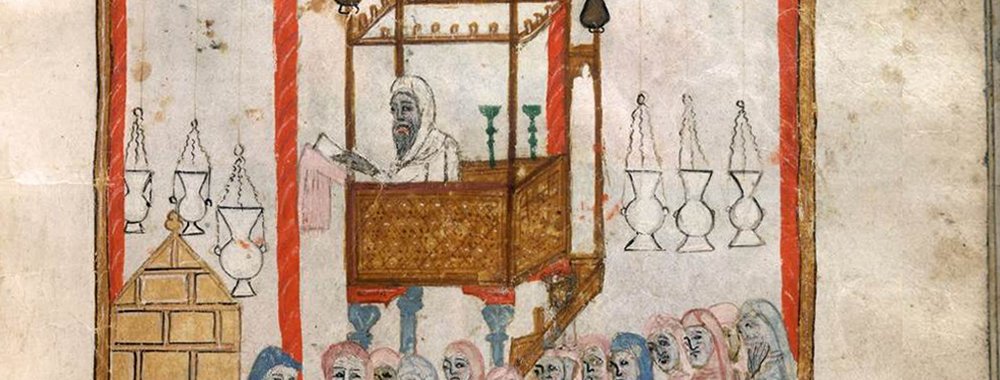
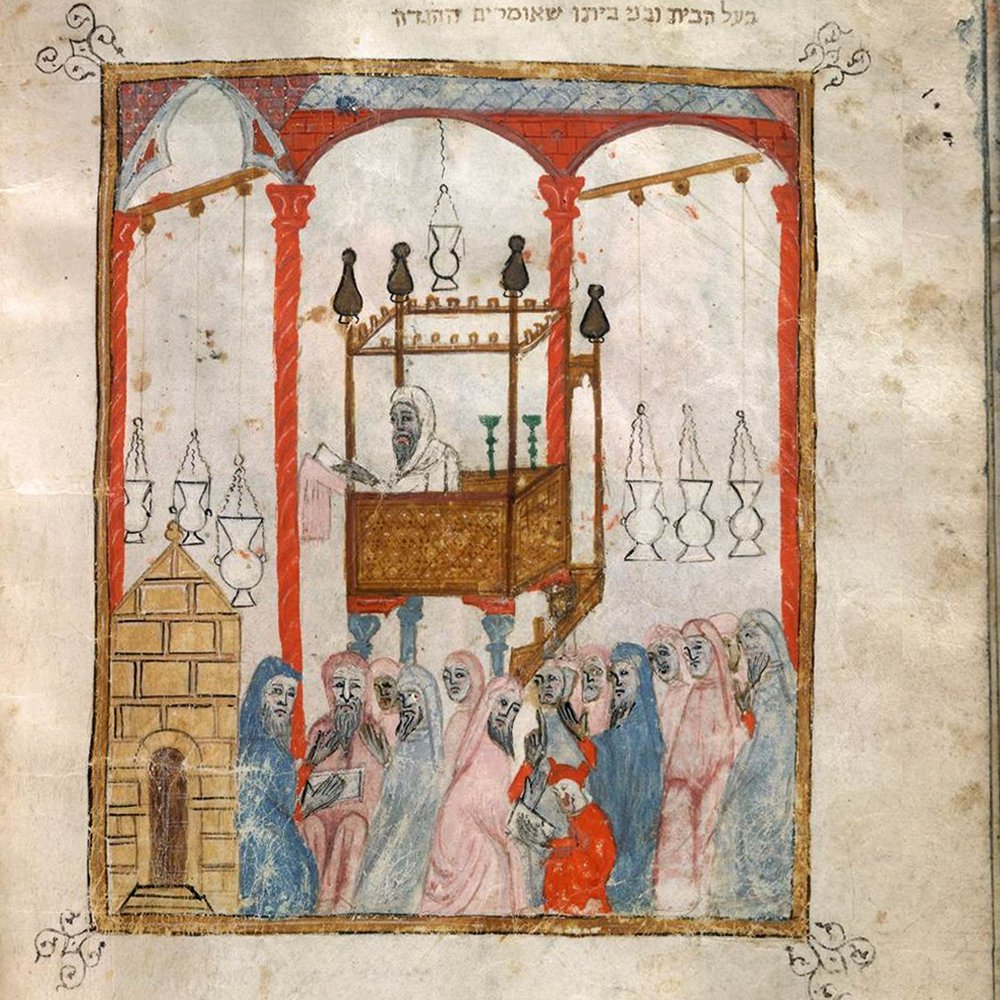
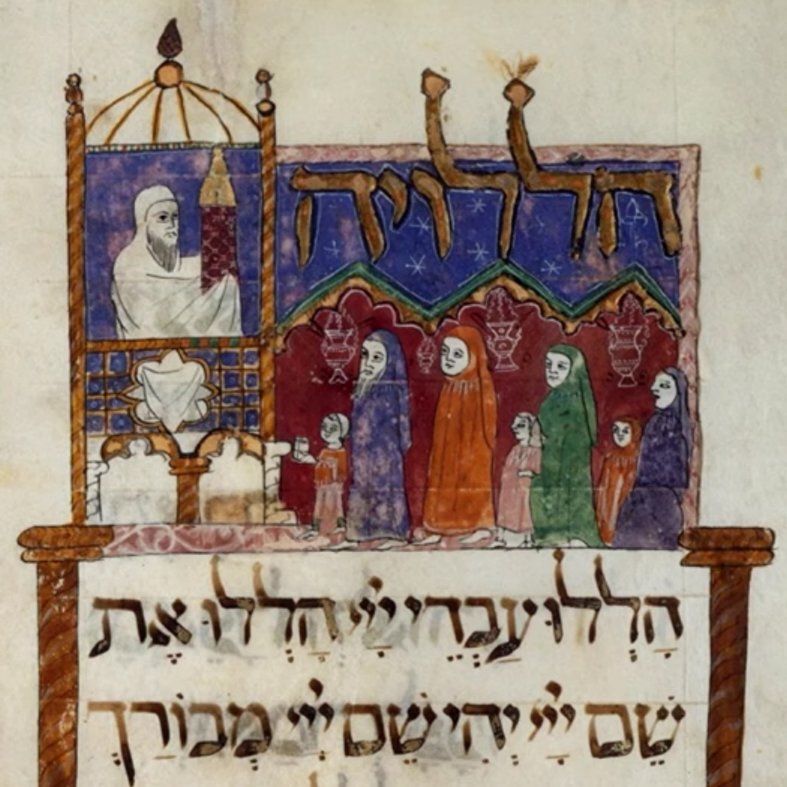
Illustration depicting the interior of a synagogue from the "Haggadah for Passover", known as the "Sister Haggadah". It was composed in Barcelona in the 14th century and is currently in the British Library.

In the Crown of Aragon, Barcelona and Zaragoza stood out, far above all the others.

- In Aragon itself, we can mention Calatayud, Huesca, Teruel, Jaca, Monzón, Barbastro, Daroca, Tarazona and Alcañiz.

- In the area of ​​Catalonia, apart from Barcelona, ​​Gerona, Perpignan, Lérida, Tarragona, Tortosa, Vich, Manresa, Cervera, Tárrega, Santa Coloma de Queralt, Montblanch and Besalú stood out.

- In the Kingdom of Valencia, the Jewish quarter of the capital city stood out, in addition to those of Castellón, Játiva, Murviedro and Sagunto.

- In the Kingdom of Mallorca, the Jewish quarter of its capital, Palma, was important.

In Navarre, the most important Jewish quarters were in Tudela, Pamplona and Estella. There were other smaller ones in centres such as Olite, Tafalla, Peralta or Puente de la Reina.

The social and economic background of the inhabitants of the Jewish quarters was very diverse, but the most numerous were artisans and small traders. There are many references to Jews who were dedicated to agriculture, viticulture, industry, trade and various crafts. There are tailors, shoemakers, jewellers, potters, dyers, blacksmiths... Many of them owned small shops that were sometimes also workshops, mainly with textile products. There were also people in the Jewish quarters who were mainly dedicated to intellectual tasks, such as rabbis or Talmudic scholars, who often received funding from the community.

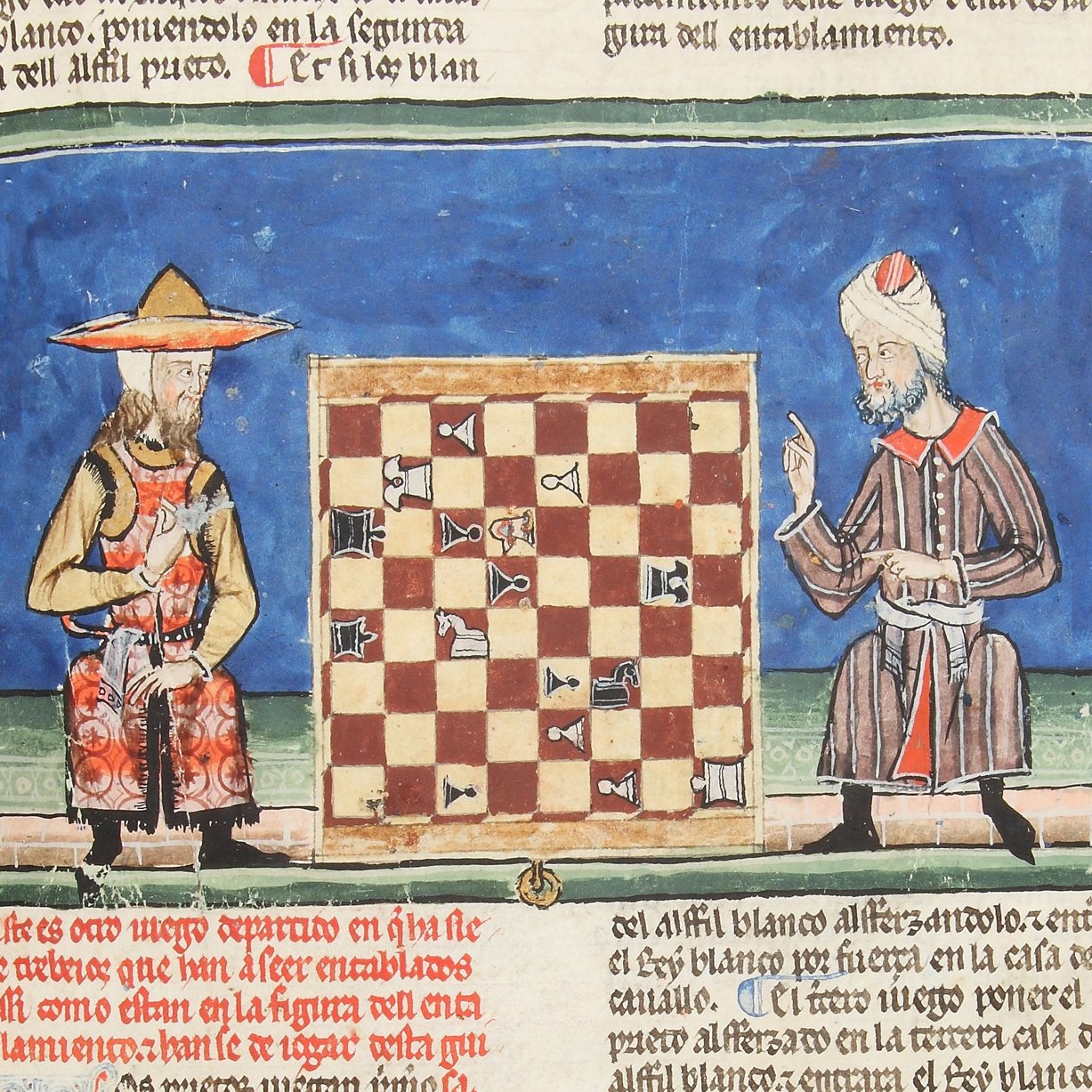
Illustration from the "Book of Games" showing a Jew and a Muslim playing chess. "Book of the Games of Chess, Dice and Tables". Alfonso X the Wise, Seville, 1283. F. 163r.

However, it was the money business that brought them their wealth and influence. Kings and prelates, nobles and farmers all needed money and could only get it from Jews, to whom they paid 20 to 25 percent interest. This business, which the Jews were in a sense forced to engage in in order to pay the numerous taxes imposed on them, as well as to obtain the obligatory loans required of them by the kings, led to their being employed in special positions, such as "almoxarifes", bailiffs, tax collectors or tax collectors.

Jews did not always live in groups, but it was the most common option in most cities. Jewish quarters usually occupied central areas of the city, close to the centers of political and religious power. In fact, in cities with a cathedral, the Jewish quarter was usually located very close to it. On many occasions, as in the case of Seville, there were walls or other types of fixed boundaries to separate the Jewish quarter from the rest of the city.

The "aljamas"

The word "aljama" of Arabic origin designated both the Jewish quarter itself and the legal institution that governed and represented it. In Hebrew it was called "cahal", equivalent to the municipality for Christians. They had their own legal system known as "tacanot" and an institutional framework with political, cultural and religious functions. There was a main rabbi, sometimes called "nasí" or prince, who was in charge of the highest representation of the aljama before the authorities and whose position depended on royal appointment. In addition, there were councils dedicated to specific issues, such as fiscal or faith-related matters. They were made up of judges or "dayanim", who Christians also called rabbis. In addition, in Castile the sources also mention the elders or "old men" and the adelantados (called "muccademín" in Hebrew). Normally they tended to belong to distinguished families and were in charge of various functions related to the administration of the aljama.

The rabbis were not part of the administrative structure but had great influence over their fellow citizens, being empowered to dictate any type of provision necessary for the maintenance of moral and religious discipline.

Image of the interior of a synagogue taken from folio 65v of the Barcelona Haggadah, dated between 1340 and 1350. Add. Ms. 14761, British Library (London)

In Castile, assemblies with representatives of the different aljamas were frequent from the 14th century onwards, making decisions that affected the common interests of the Jewish population, both in relation to religious and fiscal matters or of any other nature. In addition, since the time of Alfonso X there existed the figure of the rab major, a position with authority over all the aljamas, who was mainly in charge of tasks related to taxation and the administration of justice. These "central" institutions did not exist in the Crown of Aragon, where the aljamas were autonomous and generally jealous of their independence.

Among the functions of the aljama was also that of watching over the morality and good customs of the inhabitants of the Jewish quarter. To this end, they had the power to dictate the "herem", which was an anathema imposed on those people whose behavior was considered contrary to the interests of the community. It was a very severe punishment, since people who suffered it were removed from the community and their neighbors were forced to ignore them. They also severely punished the "malsines", who were a kind of informer much hated by the Jews. By royal concession, some communities even had the power to dictate the death penalty for these malsines, an exceptional power unknown among the Jews of other European countries.

As regards fiscal policy, in addition to the taxes that had to be paid to the royal treasury, the aljamas had their own taxes, which generally taxed meat and wine. They also regulated other aspects of neighbourhood life, such as market prices, building regulations or the prohibition of gambling.

In larger Jewish quarters, the aljama also provided basic assistance for the poor and offered first-class education for children. In addition, there were more specialised schools for the children of well-off families, where private tutors taught not only the Talmud but also poetry, medicine or astronomy.

From a social point of view, it can be said that the Jews were divided into two large groups:

- On the one hand, the wealthiest families formed a kind of privileged aristocracy. Its members often held positions in the administration of the aljama and often even in that of the kingdom. Their way of life was sometimes similar to that of Christian high society, with lifestyles not very in keeping with the dictates of the Hebrew religion.

- On the other hand, there was the social majority, generally artisans, shopkeepers and all kinds of professionals in a rather modest economic situation.

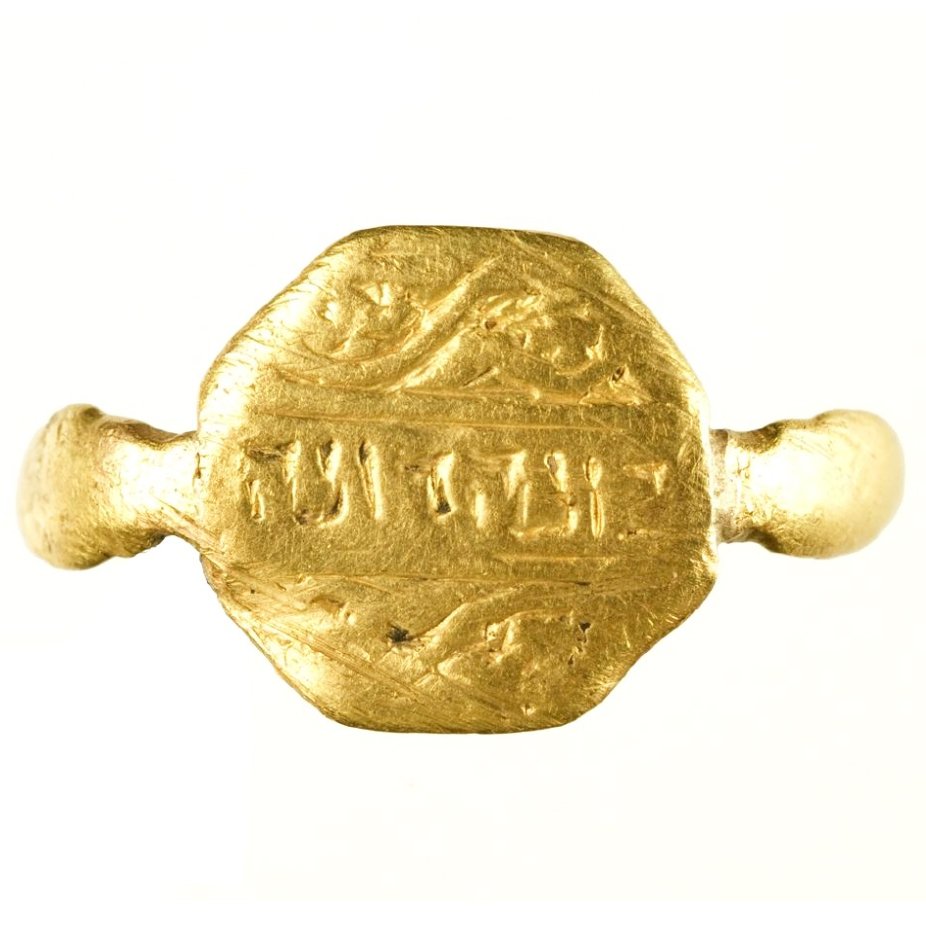
Gold ring from the Jewish necropolis of Teruel, dating from the 13th century. It contains an inscription in Hebrew with the name of a woman, probably the owner (Doña Bona). National Archaeological Museum.

For most of the Middle Ages, most Jews accepted this difference in social class without much difficulty, but in the 13th century, theories related to the Kabbalah began to spread and, as a result, there was greater conflict. Social struggles would increase and become especially intense during the 14th century.

JEWISH PRESENCE IN THE CHRISTIAN KINGDOMS

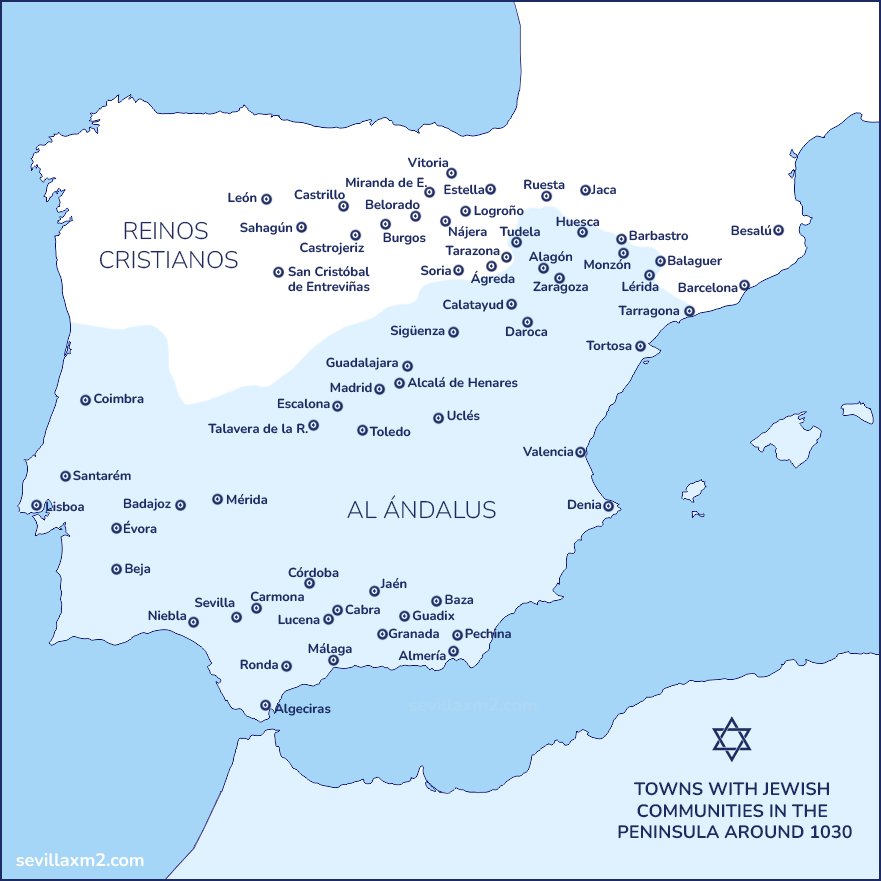
The first Jewish communities in Christian areas

After the arrival of the Muslims in 711, small Christian resistance groups were formed in the north of the peninsula, both in the Cantabrian area and in the Pyrenees. They would be the germ of the kingdoms that over the centuries would expand southwards into the territory of Al Andalus, in a complex historical process lasting eight centuries known as the Reconquista.

There is very little news about the Jewish communities in these Christian centres in their first centuries of existence. While Al Andalus was experiencing authentic cultural and economic splendour, in the north there were only a few small and scattered Jewish quarters. The most important in early times was that of Barcelona, ​​of which there is news from the 9th century that speaks of several Jewish properties on the land surrounding the city. In the area of ​​Aragon we can mention the Jewish quarters of Jaca and Ruesta, and in Navarre those of Pamplona and Estella. In León there was already an important Jewish quarter in the 10th century and in Castile the best known of this period was that of Castrojeriz. Jewish communities were especially scarce in Galicia, where we can mention the small community that lived in the vicinity of the monastery of Celanova.

One of the oldest Jewish quarters in the Kingdom of Castile was located in Castrojeriz (Burgos).

From a legal point of view, Jews were considered royal property in all Christian kingdoms and were theoretically protected by kings and lords. In times of weak authority, they were exposed to attacks, in a general context of great insecurity and instability. In addition, discriminatory ordinances against them appeared regularly, although with little practical effect. Their status was that of "servi regis", a kind of servitude to the Crown. In fact, there are frequent documents in which kings speak of "my Jews".

As for the social and economic situation of Jews in these first centuries of the High Middle Ages, one can quote José Luis Lacave in "The Jews in Spain":

At this time the basis of subsistence of the Jews was the land; they themselves cultivated their fields, although a certain tendency towards urban trades and incipient commerce was already emerging. Documents occasionally tell us about Jewish tailors, shoemakers, silversmiths and goldsmiths, and also about Jews engaged in the silk or linen trade.

The Jews and the Reconquista

From the 11th century onwards, as a consequence of the disintegration of Al-Andalus, the Christian kingdoms began a more active policy of expansion towards the south with the aim of gaining more and more territory from the Muslims. In this context, large areas of the territory and urban centres were incorporated, which needed to be repopulated quickly and efficiently to ensure that they remained in Christian hands. This circumstance led to a significant improvement in the living conditions of the Jews, since on many occasions significant legal and economic benefits were offered to those who settled in the recently incorporated territories.

Relations with the Christian population changed and during this period organised communities emerged, influential in trade and industry, especially in the north-west quadrant of the Peninsula. The offer of privileges and freedom by several Leonese monarchs attracted numerous Jews who actively participated in the repopulation. Many of them came from the south, from the area controlled by the Muslims, which they decided to leave in the face of growing instability and attracted by the advantages offered in the Christian kingdoms. This population transfer produced a transformation in Spanish Judaism, with a growing influence of currents of thought arriving from the East, to the detriment of the Franco-German Jewish tradition.

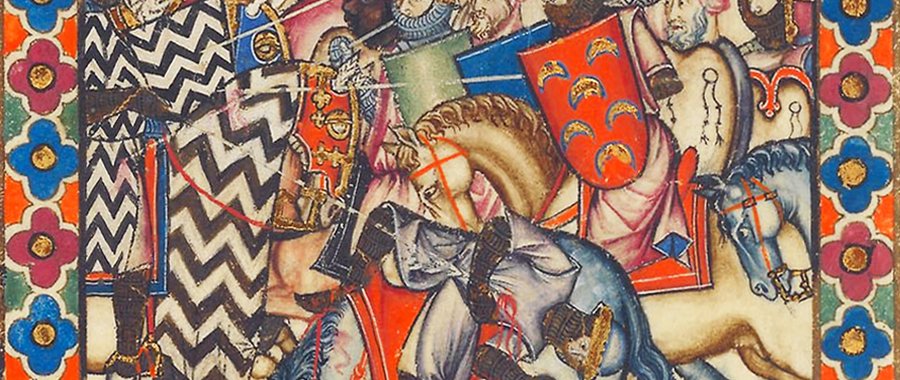
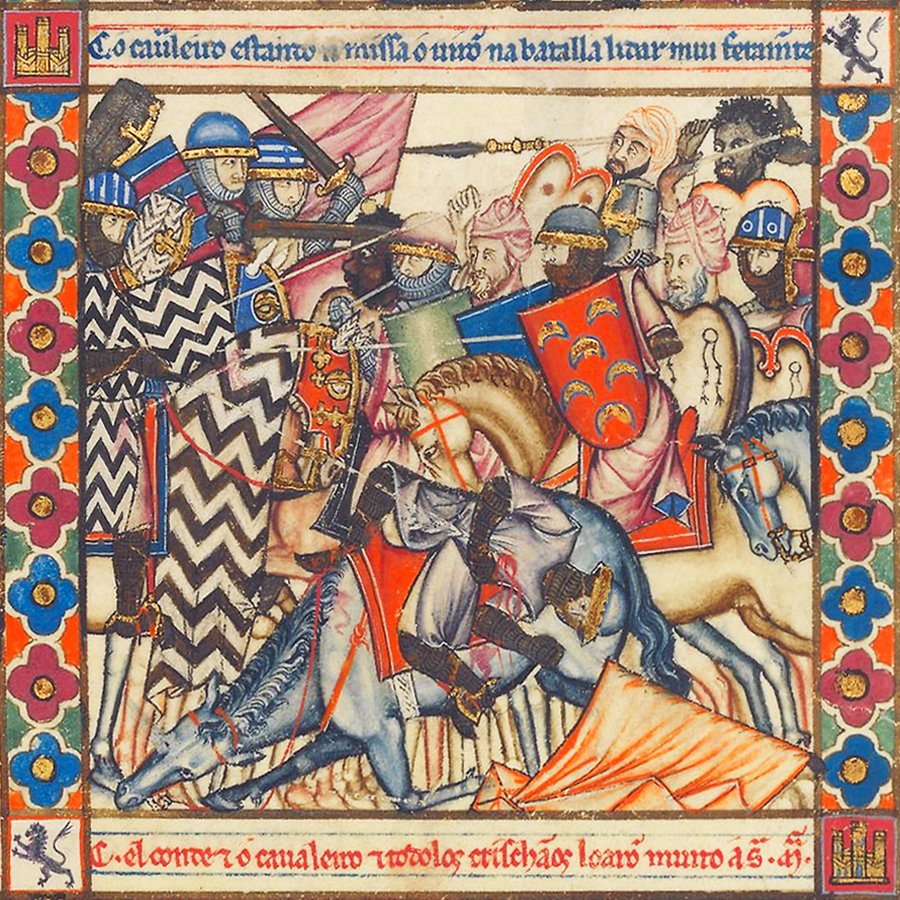
Detail from the Cantigas de Santa María in which the battle of Gormaz or Castromoros (975) is represented. Afonso X the Wise, "Cántigas de Santa María". Cantiga 63. Seville, c. 1283.

Jewish communities became increasingly stable and prosperous, developing under royal protection, even in areas controlled by monastic communities or those belonging to the nobility. In fact, it was during this period that we find the first examples of Jews occupying important positions in the administration of the Christian area. Thus, for example, the military leader known as El Cid employed Jews as treasurers, financial agents, lawyers and administrators. Similarly, it is believed that King Alfonso VI surely employed the Jew Joseph ha-Nasi Ferrizuel, called Cidellus, as a doctor and financier, who did much to help his coreligionists. This inaugurated a tradition that would be constant in the Spanish Middle Ages, that of employing Jewish courtiers who, although they remained faithful to their religion, exercised considerable authority over the inhabitants of the kingdom.

The initiative to give positions of responsibility to members of the Jewish community increased as the Arab influence grew, since in Muslim states it was common for Jews to occupy the highest positions in the State. In general, they combined these tasks with their dedication to science and literature, so that efficiency in administration was added to the cultural splendor that the Christian courts wanted to imitate.

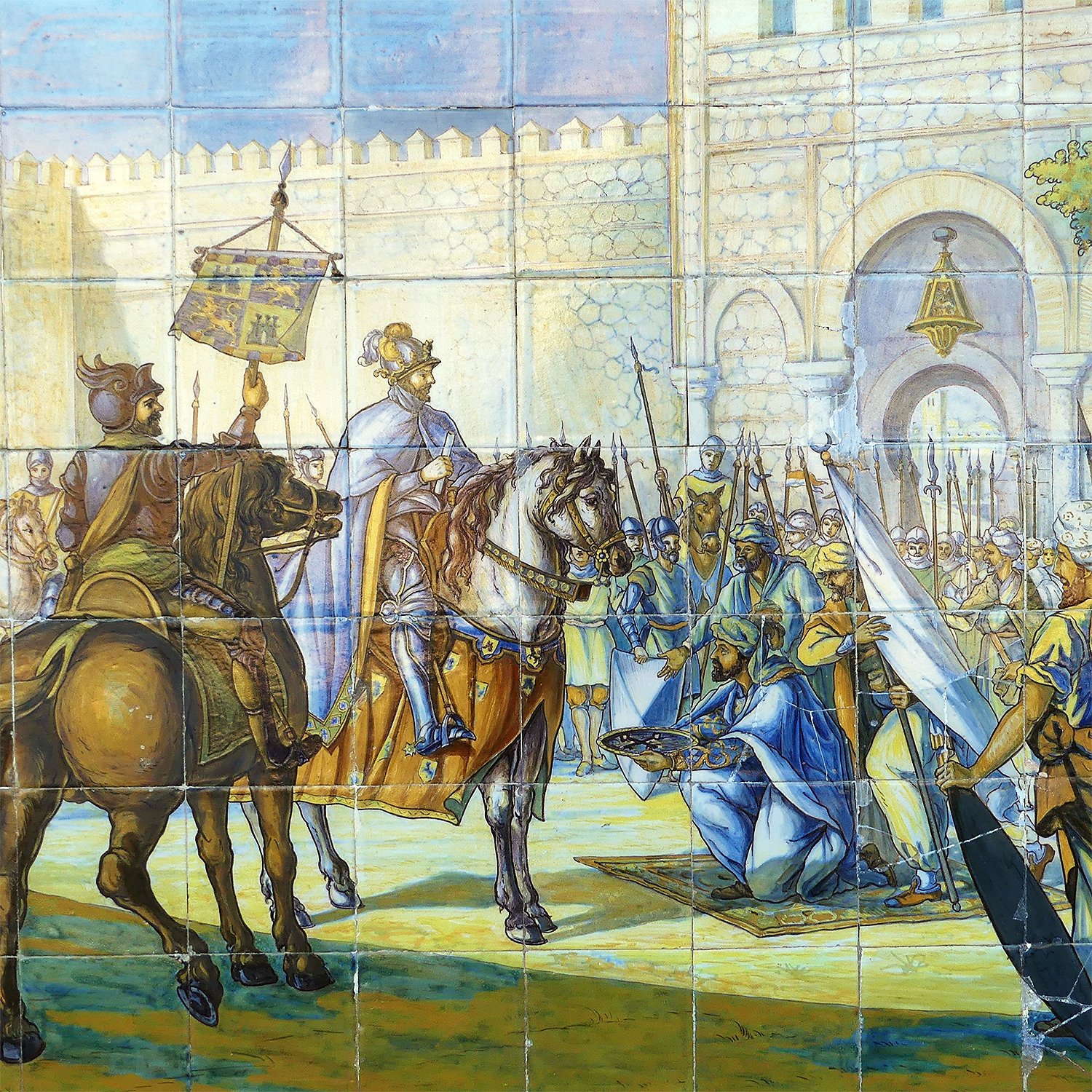
Representation of the conquest of Toledo by Alfonso VI in 1085. It is found on the panel dedicated to the province of Toledo in the Plaza de España in Seville.

Furthermore, in the Christian kingdoms the figure of the financier practically did not exist, due to the traditional condemnation of usury by the Christian religion. The Jews who arrived from Al-Andalus thus had a clear business opportunity before them, and soon became lenders not only to kings but also to bishops and nobles. In this way they secured their socio-economic position and in some way became indispensable to the authorities who ran the State.

Thus, between the 11th and 13th centuries there was a situation of general well-being for the Jews in the Christian kingdoms, which contrasted clearly with the enormous difficulties they faced in other European territories. This logically caused an immigration of Jews to the Peninsula, with new populations settling mainly in urban centres under the protection of the king, although also in places dependent on local lords or ecclesiastical authorities. This was possible because in certain circumstances the king granted some nobles or members of the church the right to "have Jews", although in general this was an exclusive privilege of the monarch.

The aljamas were the most common form of organization of the Jewish community in Christian cities. It had legal status and enjoyed administrative and judicial autonomy. There was a state official who was in charge of it and was responsible for collecting the special taxes that the aljama had to pay to the royal treasury.

There were frequent individuals who rose in their social and economic position within the framework of the reconquest. Administrative skills and knowledge of languages ​​made it easier for them to take charge of collecting taxes, a task that they often complemented with the practice of medicine and astronomy. The monarchs increasingly trusted them, not only in matters relating to the Treasury, but also in relation to diplomatic activity and other matters of State. These prominent figures in the political, cultural and economic life of the Christian kingdoms did not appear until the time of the expulsion, especially in the kingdom of Castile.

In many cases, their social status was similar to that of the nobility and they were also usually landowners, since it was common for them to be given large tracts of land as payment for their services or to meet the repayment of loans. Their lifestyles were not too closely limited to Hebrew law and they were often enveloped in luxury and ostentation, forming a kind of Jewish aristocracy that raised certain suspicions inside and outside the aljamas. However, it was common for them to use their advantageous position in the court to promote laws that benefited the members of their religion, so in general their existence was viewed with pleasure and respect by the rest of the Jews.

Among them we can mention Yosef ibn Ferruzel (Cidiello), Yehuda ibn Ezra, Semuel ibn Sosán, Isaac de la Maleha, Abraham de Barchilón, Juçaf de Écija, Samuel ha Leví, Meir Alguadex, Abraham Beneviste, Abraham Seneor and Isaac Abravanel in Castile; and Eleazar, Yehudá de la Caballería, Mosé Alconstantini, Yosef Ravaya and Hasday Crescas in Aragón; in Navarre the most notable was Yosef Orabuena. (José Luis Lacave, "Jews and Jewish quarters")

HEBREW COMMUNITIES IN AL ANDALUS

The cultural splendour of the Caliphate of Córdoba

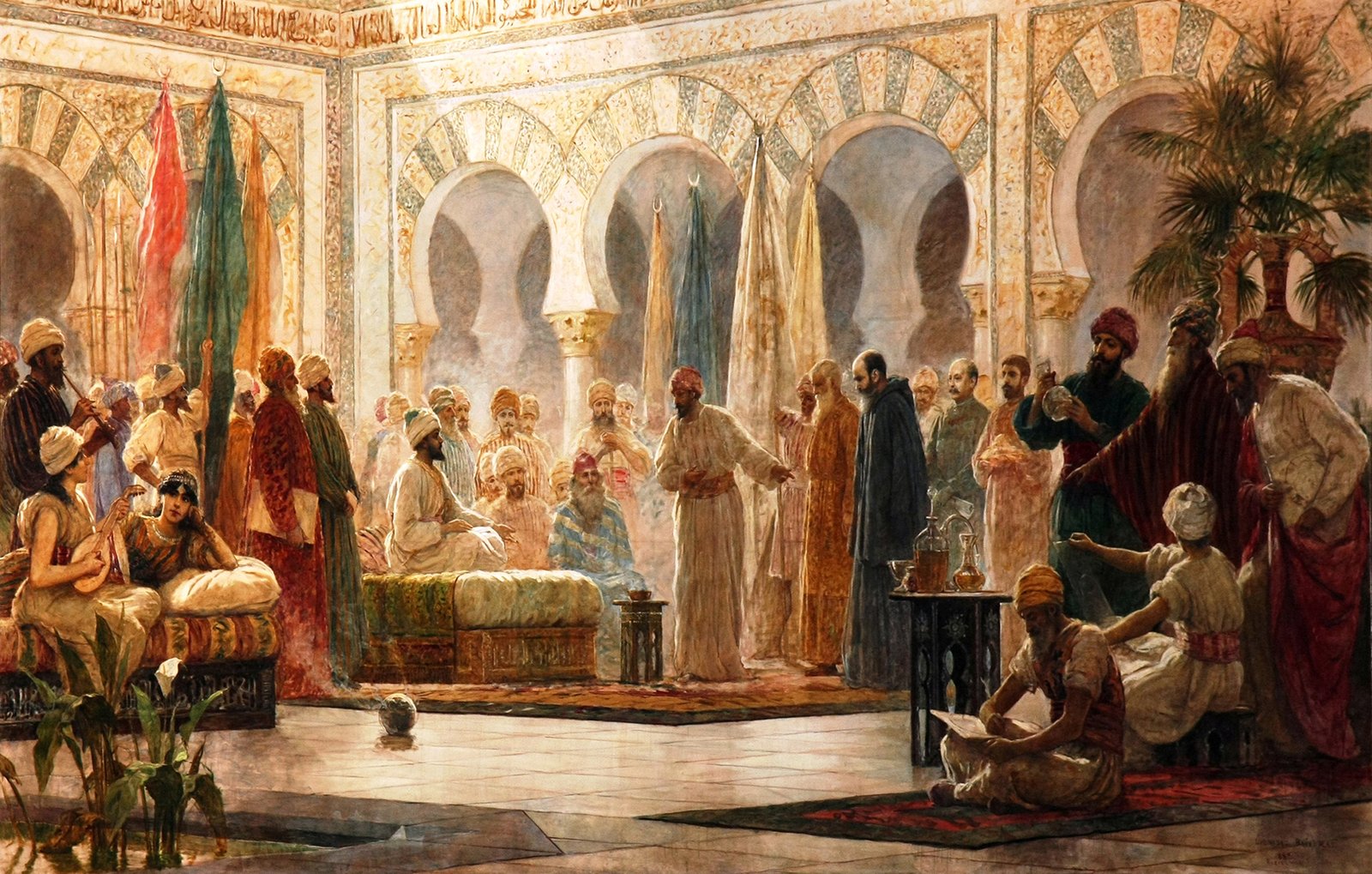
The Visigoth kingdom was immersed in one of its constant internal conflicts when the Muslim conquest of the Peninsula began in 711. It is proven that the Jews welcomed the new lords and collaborated with them in the conquest process. There was even a Jewish contingent that fought alongside the Muslims under the command of Kaula al-Yahudí in the battle of Guadalete, in which King Rodrigo and some of the kingdom's main nobles died. Furthermore, as the conquest continued to the north, the Muslims entrusted the government of different cities to members of their Jewish communities. This occurred, for example, in Córdoba, Málaga, Granada, Seville and Toledo.

"The civilization of the Caliphate of Córdoba in the times of Abderramán III". Dinisio Baixeras, 1885. Wikimedia Commons.

Taifa Kingdoms

The period of cultural splendour experienced in the first centuries of Al-Andalus was short-lived and the political structure of the Caliphate would end up collapsing after the death of the leader Almanzor in 1031. Thus began the period known as the Taifa Kingdoms, in which the territory was divided into numerous emirates governed by dynasties such as the Abadíes in Seville, the Hammudies in Malaga, the Ziríes in Granada or the Beni-hud in Zaragoza. The instability and violence that took hold of Córdoba in the last years of the Caliphate caused many Jews to abandon it, heading mainly to Malaga, Granada, Toledo, Murcia and Zaragoza.

Once the new kingdoms were established, Jewish communities began to flourish again in many of them, often promoting economic progress and the cultural dynamism of their capitals. Once again, prominent Hebrew personalities appear occupying important positions in the administration of the different kingdoms.

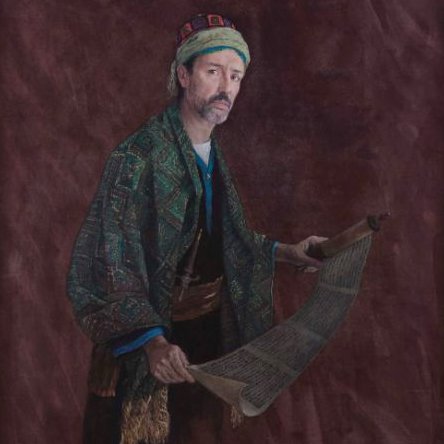
Samuel ha Nagid - Ibn Nagrella, in an imaginary portrait by Daniel Quintero (2017). Museo Sefardí de Toledo.

Almoravids and Almohads. The expulsion of the Jews from Al Andalus

The Castilian advance against the kingdom of Seville under Alfonso VI prompted King Al-Mu'tamid to ask for help from the Almoravids, a fanatical and warlike religious sect from across the Strait of Gibraltar. They defeated the Christian troops at Sagrajas (1086), a battle in which many Jews are known to have fought, both on the Muslim and Christian sides. The Almoravids thus took control of Muslim Spain. Their leader, Yusuf ibn Tashfin, did nothing to improve the welfare of the Jews. On the contrary, he strove to force the large and wealthy community of Lucena to embrace Islam. Under the reign of his son Ali (1106-1143) the position of the Jews was more favourable. Some were appointed "mushawirah" (collectors and custodians of royal taxes). Others entered the service of the State, holding the title of "vizier" or "nasi". The ancient communities of Seville, Granada and Cordoba prospered again.

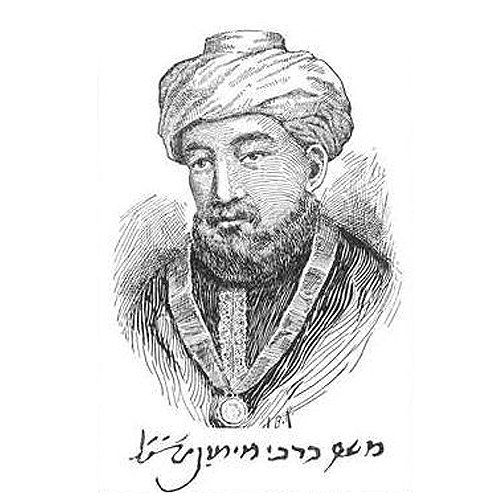
Maimonides was one of the Jews who was forced to leave Al-Andalus with his family after the expulsion order issued by the Almohads in 1146. Engraved with his traditional image.

THE JEWS IN ROMAN AND VISIGOTHIC HISPANIA

Today, most historians point out that the first Jewish communities settled in the Peninsula during the 1st and 2nd centuries, specifically after the destruction of Jerusalem in 70, during the reign of Vespasian, and after the subsequent repression of the Bar Kochba rebellion in 134, with Hadrian as emperor. Within the dispersion that followed these events, it is very likely that an undetermined number of Hebrew families left the Holy Land to end up settling in Hispania. In fact, several passages in the Talmud and the Midrash (Leviticus Rabbah) indicate that during the reign of these emperors the forced transfer of Jewish prisoners to the Peninsula was ordered. These testimonies show an early settlement, whether voluntary or involuntary.

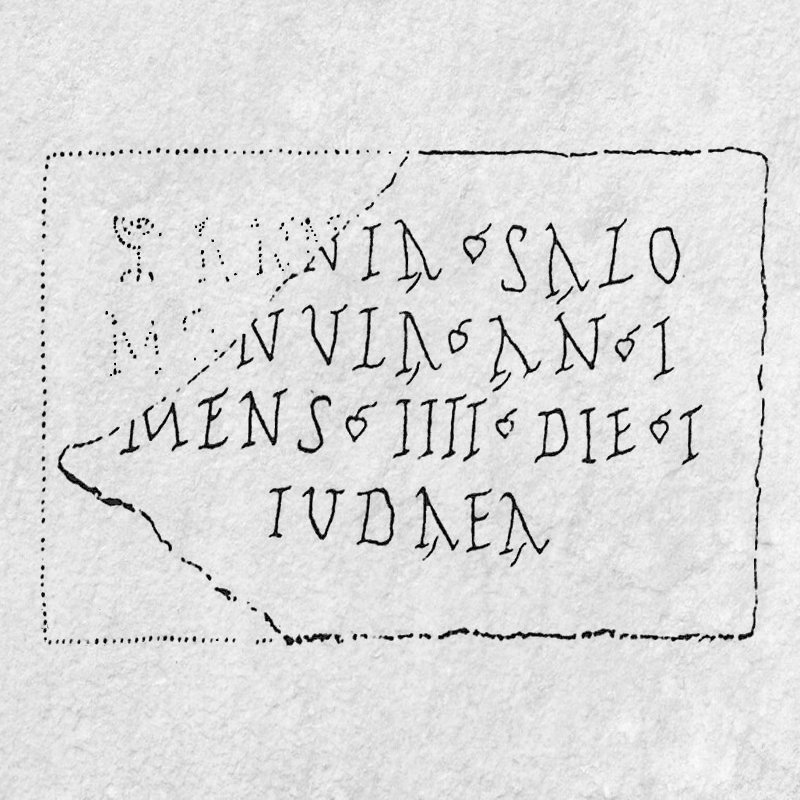
The oldest documentary evidence found in Spain is an inscription known as the Epitaph of the Jewess Annia Salomonula. This is the tombstone that covered the burial of a girl in the town of Adra in Almería. On it we can read:

[An]nia · Salo/[mo]nula · an(norum) · I / mens(ium) · IIII · die(rum) · I / Iudaea

Annia Salomonula, one year, four months, one day, Jewish.

Recreation of the inscription of Annia Salomonula, found in Adra (Almería) in the 18th century.

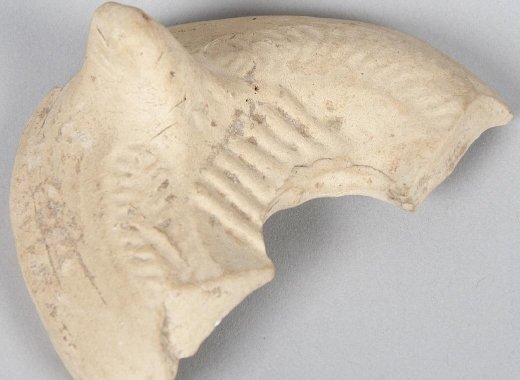
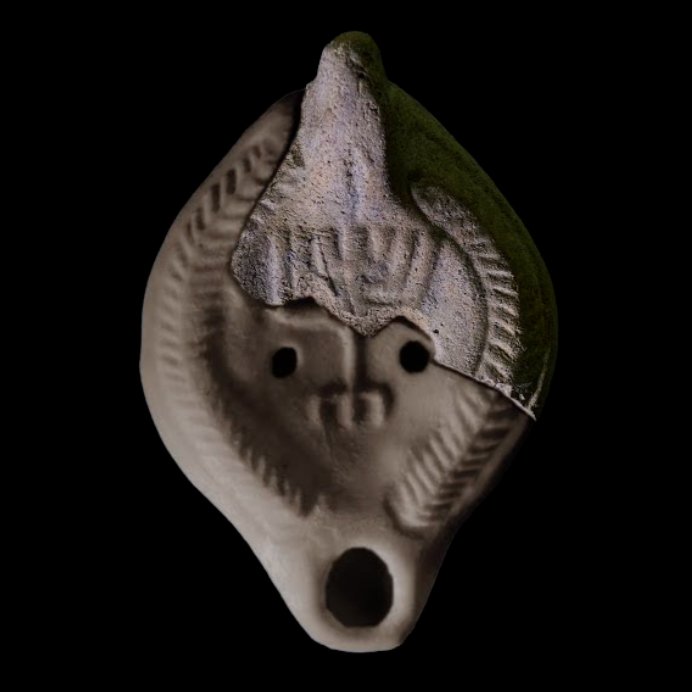
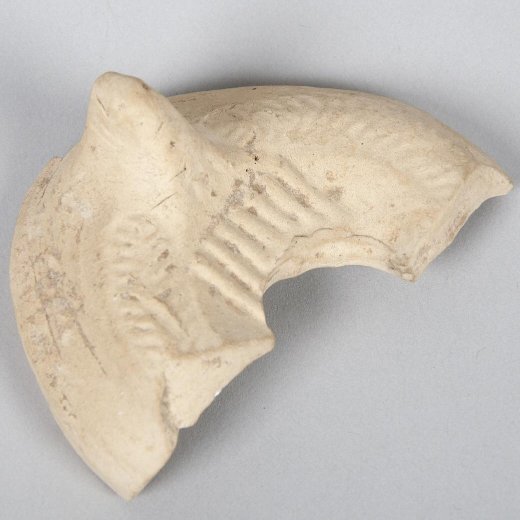
There is archaeological evidence that supports the claim that Jewish communities were numerous during the late Roman Empire, when the first Christians were also found in the cities of Hispania. For example, several lamps engraved with the menorah or Jewish seven-branched candelabrum have appeared in places as diverse as Mérida, Toledo, Cástulo (Jaén), Águilas (Murcia) or Palma de Mallorca, all of them dating from between the 4th and 5th centuries. From the same period, a curious white marble font found in Tarragona is preserved in the Sephardic Museum of Toledo. It is also decorated with the menorah, as well as other symbols represented schematically, such as the tree of life. It has the peculiarity of having inscriptions in Latin, Greek and Hebrew. In the latter language one can read “Peace upon Israel and upon us and upon our children”.

White marble font with inscriptions in Latin, Greek and Hebrew. It comes from Tarragona and has been dated to around the 5th century. It is currently kept in the Sephardic Museum of Toledo.

Lucerne found at the late Roman site of El Molino (Águilas, Murcia). Hernández García, Juan de Dios. "La necrópolis tardorromana del Molino". Memorias de Arqueología 13, 1998.

Lucerne found in the Archaeological Complex of Cástulo, Jaén (5th century). Google Arts & Culture.

Lucerne from Toledo (5th century). Museo Sefardí de Toledo.

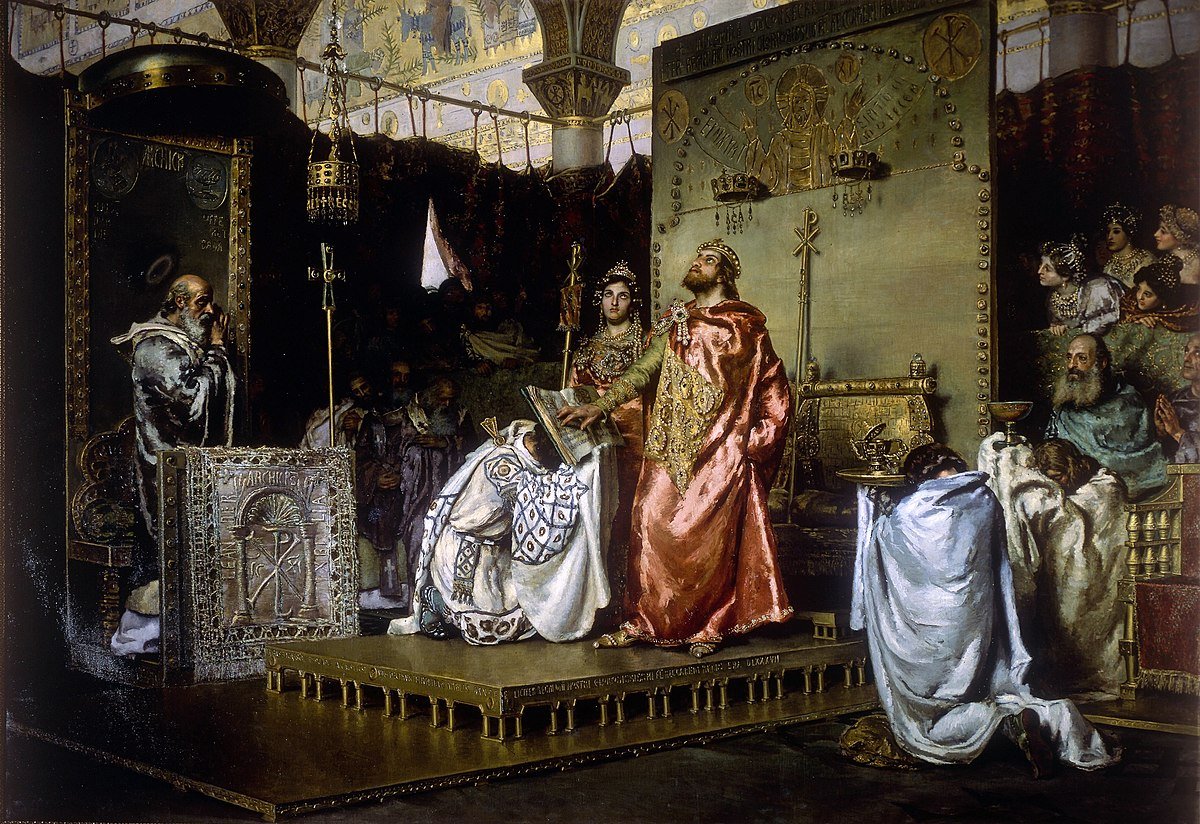
When the Roman Empire collapsed in 476, Hispania became a monarchy ruled by the Visigoths, a people of Germanic origin who had entered the Peninsula several decades earlier. It does not seem that the first Visigoth kings were especially belligerent in religious matters and in general the Jewish communities continued to function in a similar way to that of the last centuries of the Empire. However, everything changed when King Recaredo adopted Catholicism as the official religion (587). He soon approved a series of anti-Jewish provisions, which were reinforced by the decrees of the Council of Toledo in 589. Among other measures, Jews were prohibited from having Christian slaves, holding public office, as well as marrying or having sexual relations with Christians.

With subsequent monarchs, situations of repression alternated with others of a certain relaxation, so many Hebrews adopted Christianity to avoid problems in difficult times and then returned to Judaism when the situation improved. This caused the positions of the Catholic hierarchy to become even more extreme and the different Catholic councils held in Toledo only corroborated and expanded the anti-Jewish laws promulgated by the crown.

"La conversión de Recaredo" (1888). Painting by Antonio Muñoz Degrain recreating the moment when Recaredo abandons Arianism to adopt the Catholic faith. Senado de España.

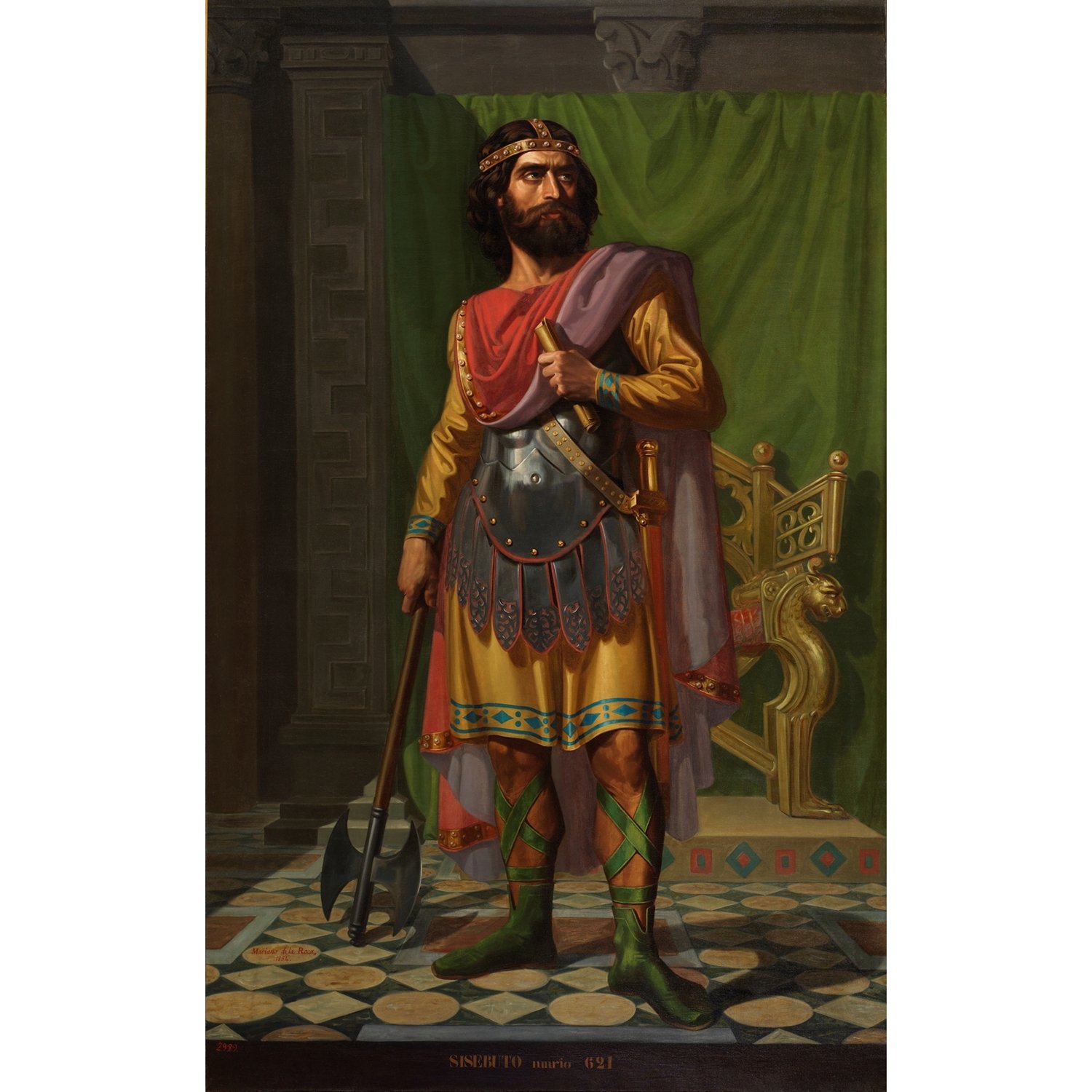
The reign of Sisebuto (612-621) marks a high point in the repression, marking a harsh line against the Hebrew people that will be the most common tone in the rest of the history of the Visigothic kingdom in the Peninsula. As Joseph Pérez points out in his “The Jews in Spain”, Sisebuto orders the Christians to be freed from all relations of dependence with respect to the Jews who are forced to give up their slaves and servants; Jewish proselytism is punished by the death penalty and the confiscation of property; the children that Jews may have with Christian slaves must be educated as Christians. (…) Finally, Sisebuto intends to force the Jews to convert to Catholicism or, if not, to leave Spain. The number of those who were then expelled has been calculated in many thousands and that of those baptized in 90,000, but they were probably much less. Since then, converts and Jews were excluded from public office on the grounds that it was intolerable that they had authority over Catholics.

Imaginary portrait of King Sisebuto, painted in 1854 by the Sevillian painter Mariano de la Roca y Delgado. Museo del Prado.

Despite the severity of these measures, the anti-Jewish policy had not yet reached its most extreme and violent levels. Around 638, Chintila decreed the prohibition of living in the kingdom for anyone who was not Catholic. In the second half of that same century, Recesvinto ordered the death of Jews by stoning or burning, and shortly after, Égica decreed the enslavement of both Jews and converts. The degree of compliance with these measures varied depending on the time and the city in question, but as a whole they created an unbreathable atmosphere for the Jewish community in Hispania, increasingly marginalized socially and more exposed to increasingly frequent outbreaks of violence.

Despite the severity of these measures, the anti-Jewish policy had not yet reached its most extreme and violent levels. Around 638, Chintila decreed the prohibition of living in the kingdom for anyone who was not Catholic. In the second half of that same century, Recesvinto ordered the death of Jews by stoning or burning at the stake and, shortly afterwards, Égica decreed the enslavement of both Jews and converts. The degree of compliance with these measures varied depending on the period and the city in question, but as a whole they created an unbreathable atmosphere for the Jewish community in Hispania, increasingly marginalised socially and more exposed to increasingly frequent outbreaks of violence.