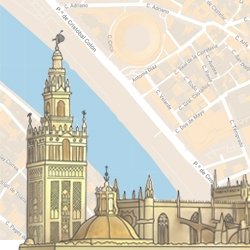
GUÍA DE SEVILLA
Estamos construyendo la guía más completa de Sevilla. Navega por las distintas categorías para descubrir todos los monumentos de la ciudad: iglesias, conventos, palacios, murallas… Todos incluyen una amplia descripción ... Ver más
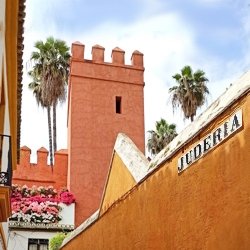
JUDERÍA DE SEVILLA
Se conoce como Judería de Sevilla al área en la que residió la comunidad hebrea de la ciudad durante la Baja Edad Media. Se extiende por una amplia zona del ... Ver más
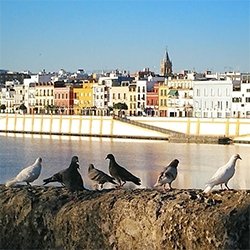

CATEDRAL DE SEVILLA
La Catedral de Sevilla es probablemente el monumento más emblemático de la ciudad. La Unesco la declaró en 1987 Patrimonio de la Humanidad, junto con el Alcázar y el Archivo ... Ver más
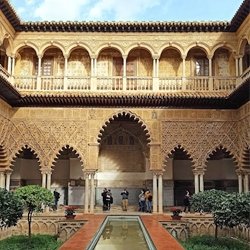
REAL ALCÁZAR
El Alcázar de Sevilla es una de las residencias reales más fascinantes de España. Esto es debido a que no responde a un único proyecto acometido en un momento determinado, ... Ver más
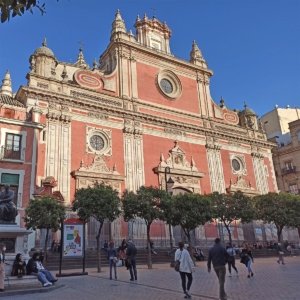
IGLESIA DEL DIVINO SALVADOR
La iglesia del Divino Salvador de Sevilla es el segundo templo más grande de la ciudad, sólo después de la Catedral. Es una de las grandes joyas arquitectónicas de la ... Ver más
LO ÚLTIMO:
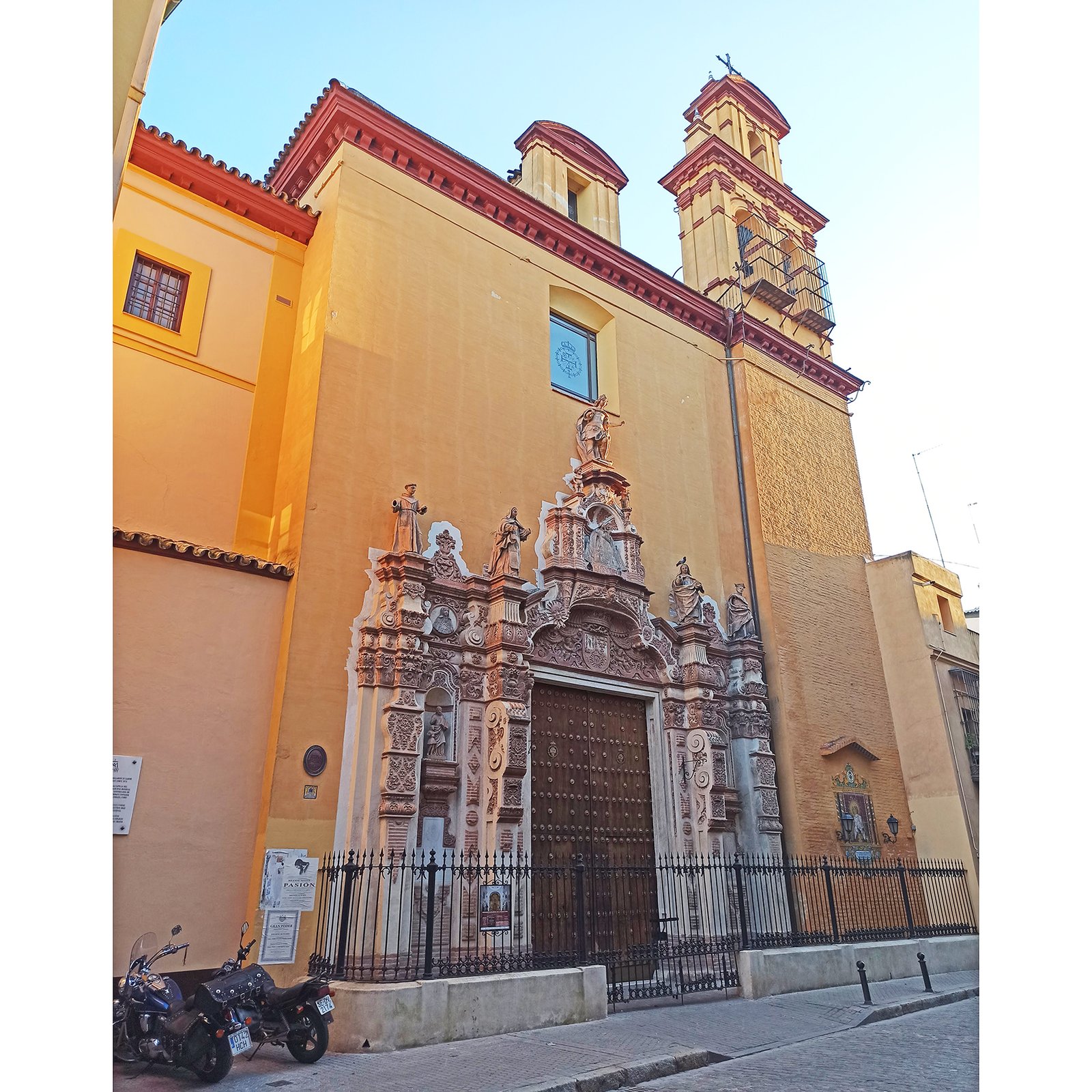
IGLESIA DE LA CONSOLACIÓN – LOS TERCEROS
La iglesia de Nuestra Señora de la Consolación, conocida generalmente como "los Terceros", es un templo barroco del siglo XVII que se levanta en la calle Sol, en el barrio sevillano de Santa Catalina. Originalmente fue la iglesia del convento de la Orden Tercera de San Francisco que se levantaba en esta zona y de ... Leer_más
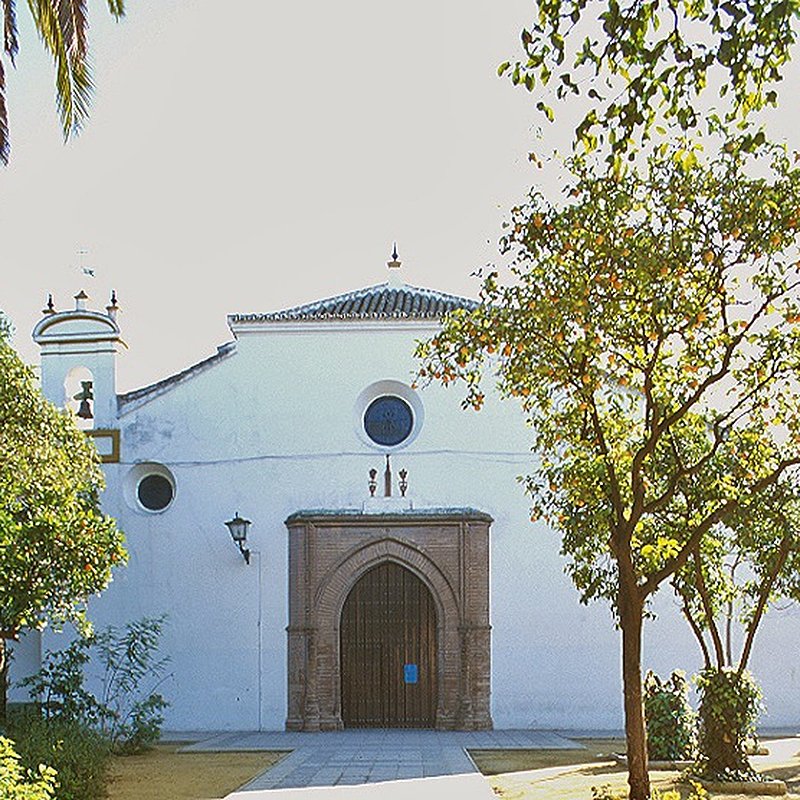
IGLESIA DE SAN SEBASTIÁN
La iglesia de San Sebastián es un templo gótico mudéjar levantado originalmente entre los siglos XV y XVI como una ermita a las afueras de la ciudad. Ha experimentado profundas transformaciones a lo largo de su historia, sobre todo durante los siglos XIX y XX, en relación con la aparición del barrio del Porvenir a ... Leer_más
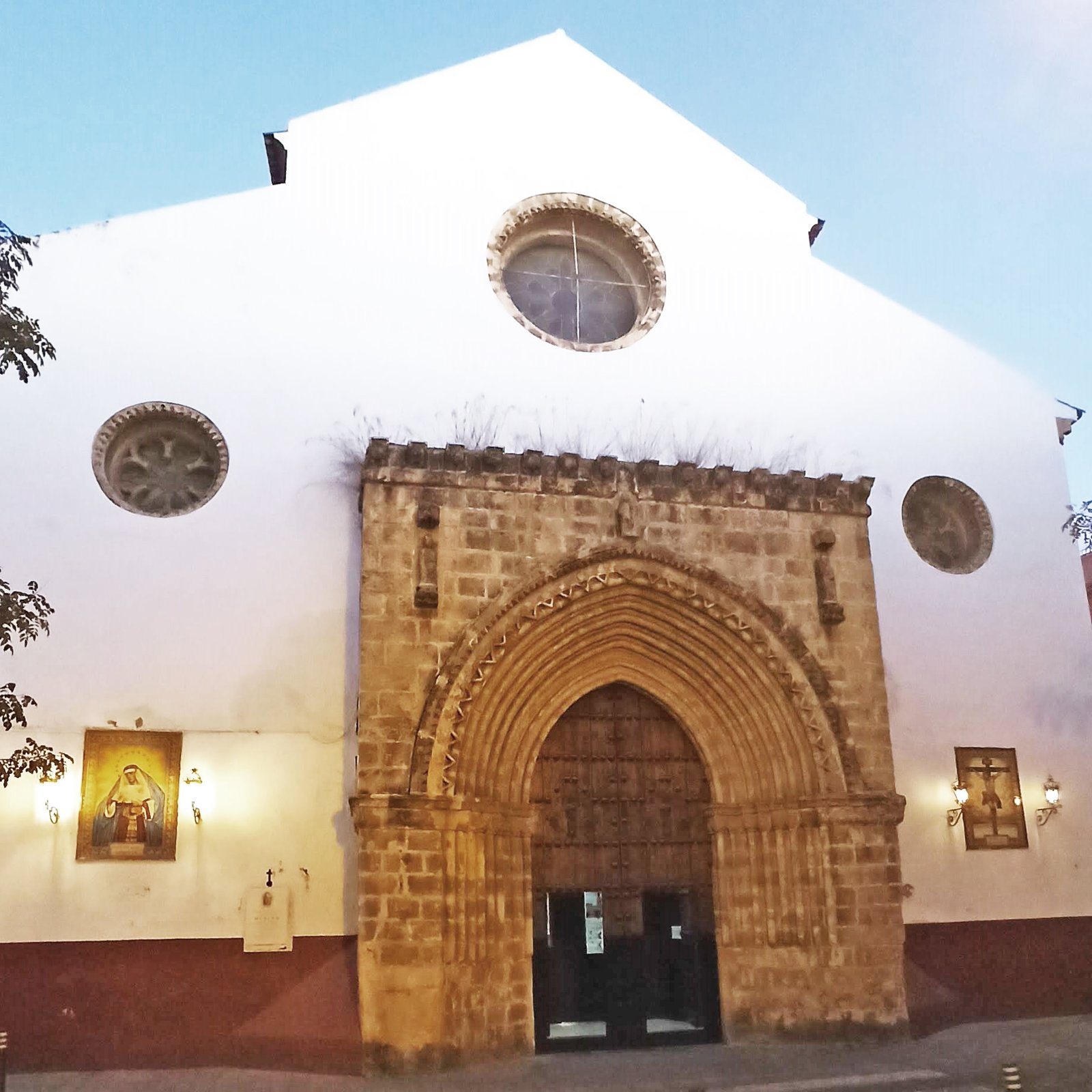
IGLESIA DE SAN JULIÁN
La iglesia de San Julián es un templo gótico mudéjar, edificado en su mayor parte en el siglo XIV, aunque con importantes modificaciones posteriores. Es la sede de la Hermandad de la Hiniesta, que procesiona el Domingo de Ramos. Cuenta con planta rectangular y tres naves, separadas por arcos apuntados que descansan sobre pilares. De ... Leer_más
