JUDAH IBN VERGA

JUDAH IBN VERGA

(15th century)

His name is also transcribed as Yehudá Ibn Verga. He was a Jewish mathematician, astronomer and Kabbalist born in Seville. It is known that he was a relative of Salomón ibn Verga (probably his uncle), author of the "Shebeṭ Yehudah" ("The Staff of Yehudah"), and it is this work that provides some details of Ibn Verga's life.

On one occasion he came to the defense of a group of Jews from Jerez de la Frontera who were accused of moving the body of a converted Jew to their cemetery. Judah defended him against the Duke of Medina Sidonia, demonstrating through a Kabbalistic writing that the real criminals were the priests ("Shebeṭ Yehudah", 38). He was very active in maintaining an understanding between the converts and the Jews. When the Inquisition was established in Seville, he was pressured to abandon the Jewish faith, but he finally managed to flee to Lisbon, where he remained in hiding for several years. When the expulsion of the Jews from this country was decreed in 1497, Judah was imprisoned and tortured to make him betray the new Christians who continued to practice Judaism secretly. He died in prison as a result of this torture in 1499.
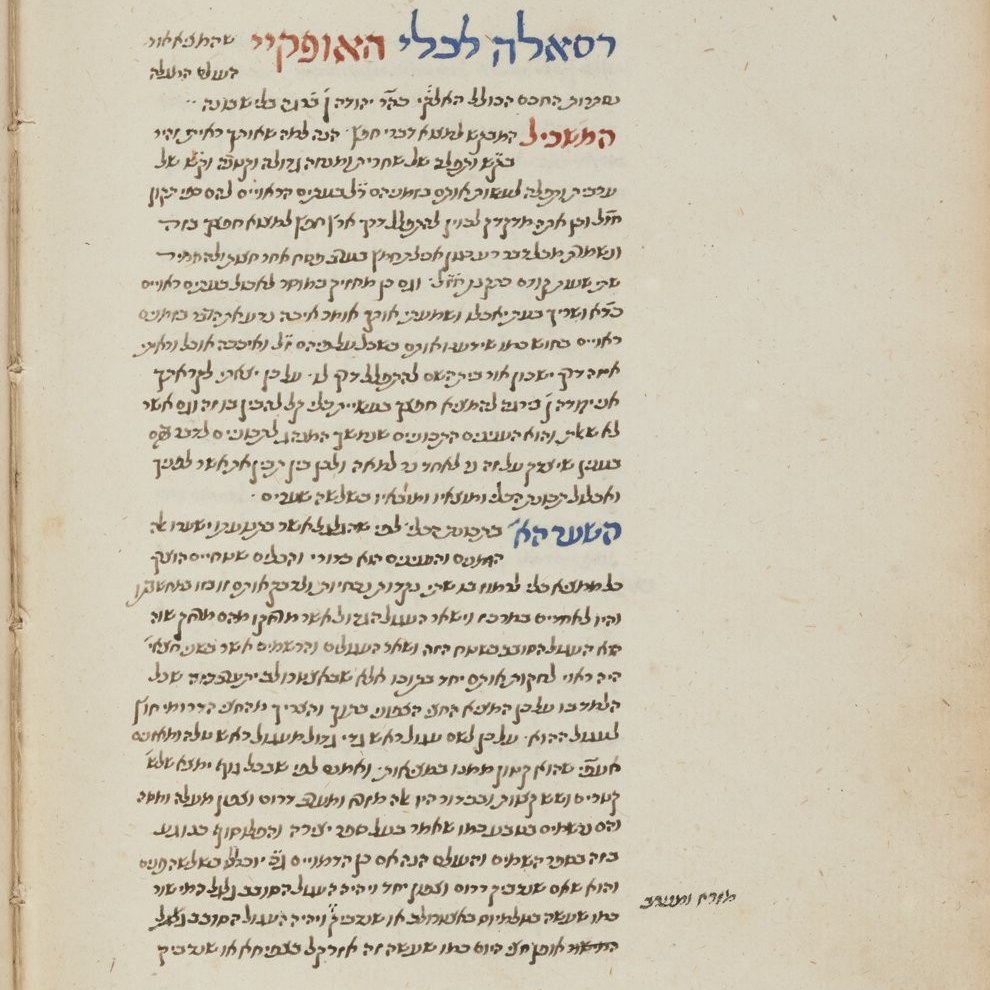
16th century manuscript with the beginning of a treatise on astronomy written by Judah Ibn Verga. It is kept in the National Library of France ("Recueil de traités d'astronomie". Hebrew 1031. F. 155V-163)

Ibn Verga wrote a history of the persecutions of the Jews, largely taken from the "Zikron ha-Shemadot" of Profiat Duran; this work is in turn the embryo from which the "Shebeṭ Yehudah" is written.

The Bibliothèque Nationale of Paris (MS. No. 1005, Hebr.), contains a series of scientific treatises written by one Judah ibn Verga, who is generally identified with the Judah ibn Verga of the "Shebeṭ Yehudah." If they were his works, they would make clear the great erudition and breadth of areas he covered. These treatises are:

- "Ḳiẓẓur ha-Mispar", a short manual of arithmetic (ib. folios 100-110a);

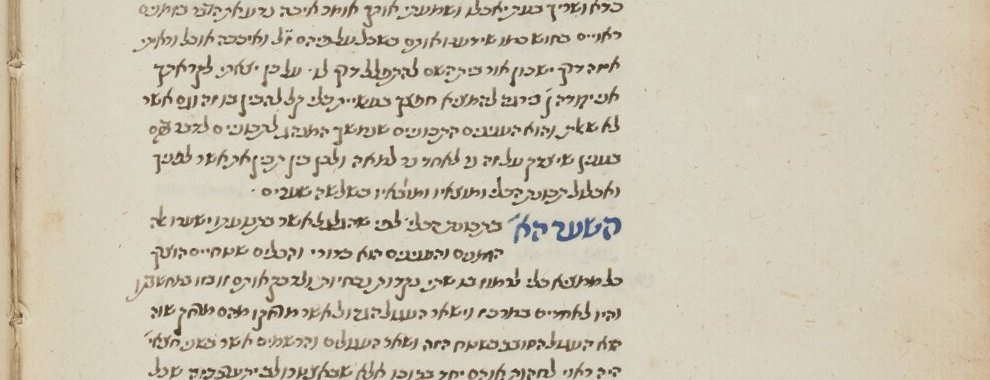
- "Keli ha-Ofeḳi", a description of the astronomical instrument he invented to determine the meridian of the sun, written in Lisbon around 1457 (folios 110b-118a);

- a method for determining altitudes (folios 118b-119b);

- a short treatise on astronomy, the result of his own observations, completed in Lisbon in 1457 (folios 120-127).

SAMUEL HA LEVI

SAMUEL HA LEVÍ

(1320 - 1360)

A prominent Jewish financier and politician who became chief treasurer and member of the Royal Council during the reign of Pedro I. He was born in Toledo, a city to which he was always linked. However, Don Pedro's court was based mainly in Seville, so his treasurer spent long periods in our city. He came to own a splendid palatial residence located on the current Calle Levíes, in the heart of the Jewish quarter.

He was born into the Abulafia family, a prominent aristocratic lineage. Shortly after Pedro I came to the throne in 1350, Samuel was named his chief chamberlain thanks to the support provided by Juan Alfonso de Alburquerque, one of the king's most trusted people. From the beginning, he was in charge of the financial and economic problems of the royal agency, successively accumulating the positions of chief treasurer of the kingdom, member of the Royal Council and probably, judge of the Royal Court.

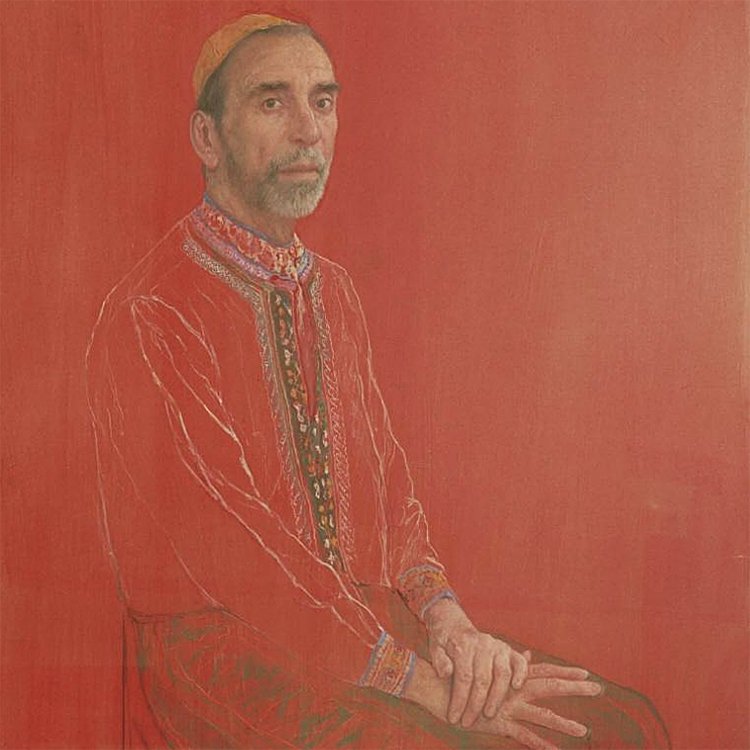
Imaginary portrait of Samuel ha Levi made by the Malaga painter Daniel Quintero around 2000 (mixed technique on wood). It is currently in the Sephardic Museum of Toledo. (📸)

For about ten years, Samuel ha-Levi played a leading role in the court of Castile, intervening in practically all matters that had to do with public revenues. But his role was not limited to the economic sphere; he became a kind of chief minister of the king. For example, in 1358 he went to Portugal to mediate between the two kingdoms, reaching an agreement that was embodied in the Treaty of Évora.

In Toledo he lived in a splendid residence known as the Palacio del Judío, preserved today as the Casa Museo de El Greco. It is known that he helped members of his community on numerous occasions. In this same city, for example, he sponsored the construction of the synagogue of El Tránsito, a splendid Mudejar temple that preserves inscriptions in Hebrew praising the king and Samuel himself. In one of them it is stated that "since the day of our exile no son of Israel has reached such a high state."

Such a prominent position in the kingdom ended up attracting him numerous enemies. In addition, it is worth remembering the complicated situation that existed during most of this reign, with the so-called first Castilian civil war between King Pedro and his half-brother Enrique de Trastámara. Enrique's supporters often mocked their opponent by calling him "king of the Jews" and criticized the high levels of power that the Hebrews were reaching in the kingdom.

VView of the interior of the Synagogue known as "del Tránsito", built thanks to the impetus and patronage of Samuel ha Levi in ​​Toledo. Today it is the headquarters of the Sephardic Museum. (📸)

The numerous defamations of which Ha-Levi was the object of his enemies, ended up causing his imprisonment on charges of embezzlement. He was imprisoned in the Atarazanas of Seville and was finally executed, apparently by order of the king.

According to tradition, the monarch ordered him to be tortured until he revealed the hiding place where the allegedly embezzled funds were located, but the treasurer resisted the torment without breaking. The specific circumstances of his conviction and execution are not clear today and it has been pointed out that they were probably caused by the financial asphyxiation that Castile was going through due to the civil war. It is possible that the Crown was ambitious to get hold of the enormous personal fortune of its treasurer.

In any case, Samuel Ha-Levi was certainly one of the most influential Jews in the history of medieval Spain, concentrating in his hands an enormous power, which ended up earning him numerous enemies.

Interior of the Royal Shipyards of Seville. Samuel ha Levi, a prisoner, died in one of the rooms of this immense complex in 1360. (📸)

YUÇAF OF ÉCIJA

YUÇAF OF ÉCIJA

(14th century)

His name was Joseph ben Ephraim ha-Levi Benveniste, although he is known as Yuçaf or Jusaph de Écija because he was born in this city in the province of Seville at the end of the 13th century. He held the position of almojarife and advisor to King Alfonso XI, dealing mainly with financial matters. This monarch focused his reign on the fight against the Muslims in the area of ​​the Strait and Granada, so his court was based mainly in Seville.

The Infante Don Felipe de Castilla, son of Sancho IV, recommended Beneviste to his nephew Alfonso XI, since he was captivated by Benveniste's great gifts, his pleasant manners and his talent for music. The king, no less delighted than his uncle, named Benveniste almojarife, a position that entailed the functions of a finance minister. He was also considered the king's most trusted (private) advisor, and thus had a very influential position. He travelled in a state carriage, was escorted by knights on his journeys, and the great dined at his table. This greatness could not fail to arouse envy, and Benveniste had to fight against the conspiracies of his enemies, under whose attacks he eventually fell.

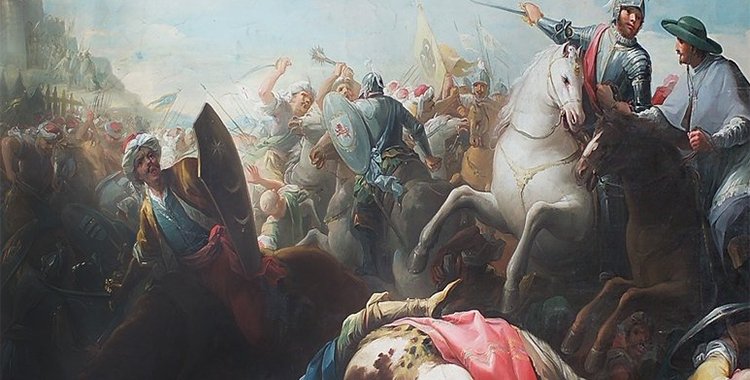
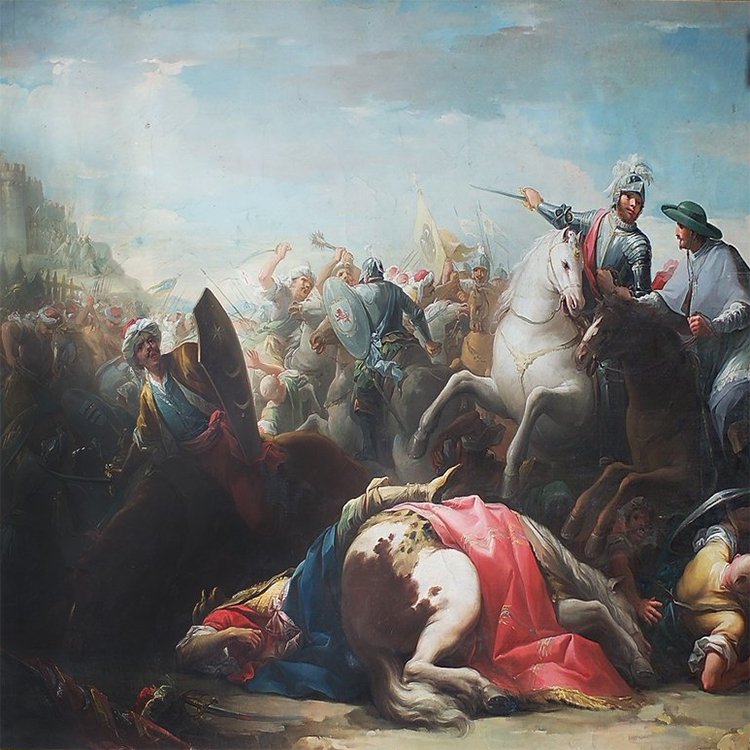
Artistic representation of the Battle of Salado, for which Yuçaf de Écija and other notable Jews contributed funds in support of the Christian king Alfonso XI. The image belongs to an 18th-century oil on canvas by Salvador Maella. The original is preserved in the Casita del Príncipe of the Monastery of El Escorial.

As a sign of his confidence, Alfonso sent him to Valladolid to bring his sister, Doña Leonor, to Toledo (1328). In this city, a mob of people instigated by Benveniste's enemies attempted to kill him and his attendants. The Infanta saved his life by welcoming him into the Alcázar of that city and refusing to hand him over to the rioters.

The plot having failed, Benveniste's enemies resorted to slander. Many complaints against his administration were made to the Cortes of Valladolid; and the king, tired at last of these constant complaints, dismissed Benveniste from the council and the post of almojarife.

Yuçaf apparently maintained a good relationship with the Crown even after his dismissal. It was he who was responsible for the creation of a new synagogue in Seville. The letter from King Alfonso XI to Pope Clement VI requesting permission to recognize this new synagogue as such is preserved. The document is very interesting because the monarch does not hesitate to praise the work of the Jewish community of Seville in his service.

Luciano Serrano Pineda, in an article in the CSIC entitled “Alfonso XI and Pope Clement VI during the siege of Algeciras”, tells us about Yuçaf:

This Minister of Finance had been the soul of the Royal Council in the war against Granada from 1328 to 1332; but overthrown from the privilege by emulators of his own religion, he had to leave the King's house, despite the protection that the latter gave him. Furthermore, if we do not misinterpret the Monarch's request to Clement VI, Jusaph de Écija did not limit himself to advancing him money and taking personal part in the aforementioned war; he continued to give his support for the battle of Salado (1340) and in the preparation of the siege of Algeciras. It is known that during this siege there were Jewish personalities accompanying the king and that they were in charge of advancing the money for the special contribution that the kingdoms had to give in 1343 to the Castilian sovereign. These merits of Jusaph and those that the King attributed to the Hebrews in general, and especially those of Seville due to contributing large contingents to the municipal budget and even being part of the municipal troops against the Moors, were invoked by Coronel on behalf of the Monarch to obtain official recognition from the Pope of the synagogue that Jusaph had built in Seville "for the increase of his race."

In his later years, Benveniste was involved in a network of envy and conspiracies that would ultimately end his life. Samuel ibn Wakar, Alfonso's doctor, enjoyed high royal favor. Alfonso entrusted him with the management of the income derived from the import of goods from the kingdom of Granada. Benveniste, jealous of his coreligionist's influence, offered a larger sum for the right of management of import duties. Samuel, in revenge, privately persuaded the king to stop the Moors' exports, despite the existing treaties. A war with the Moors ensued. Alfonso's treasury being exhausted, Gonzalo Martinez, who had served under Benveniste and had become influential through his recommendation, proposed to purchase from the king ten of the leading Jews, for whom he would pay 800 pounds of silver. The king, compelled by his need of money, consented. Martinez hastened to seize his former benefactor and send him to prison, where he died.

DAVID ABUDARHAM

DAVID ABUDARHAM

(14th century)

Also known as David ben Joseph, he was a "rishon" or chief rabbi who lived in Seville in the 14th century. He was best known for his commentary on the Siddur, the book of daily prayers of the Jewish religion. His birth and death dates are unknown, but his period of splendor was around 1340.

Abudarham belonged to the class of writers who, in an age of decadence, felt the need to disseminate in a popular way the knowledge accumulated in various sources of rabbinical literature. His book "Sefer Abudarham" was intended to serve as a continuous commentary on the liturgy. In the preface he states that he wished to provide the means to use the liturgy intelligently. To explain each fragment, he collected material from both the Babylonian Talmud and the Jerusalem Talmud, from the Geonim and from all the commentators up to his own time. In order to elucidate the meaning and origin of each observance connected with divine worship throughout the year, he made use of all the works on rites that he could obtain, some of which were very rare. In addition, he made a systematic exposition of the Hebrew calendar.

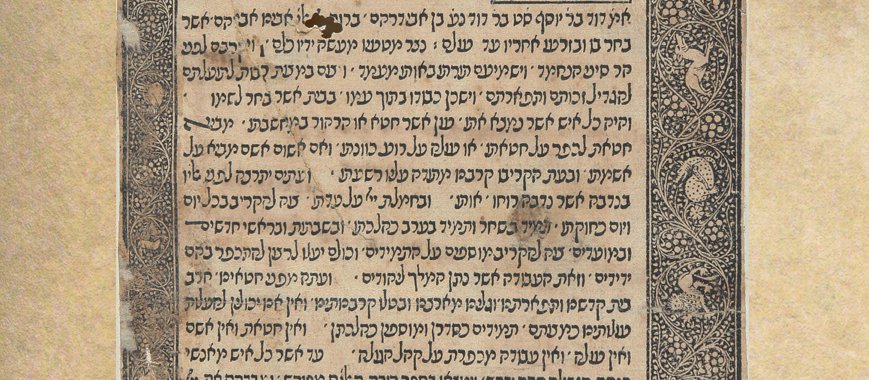
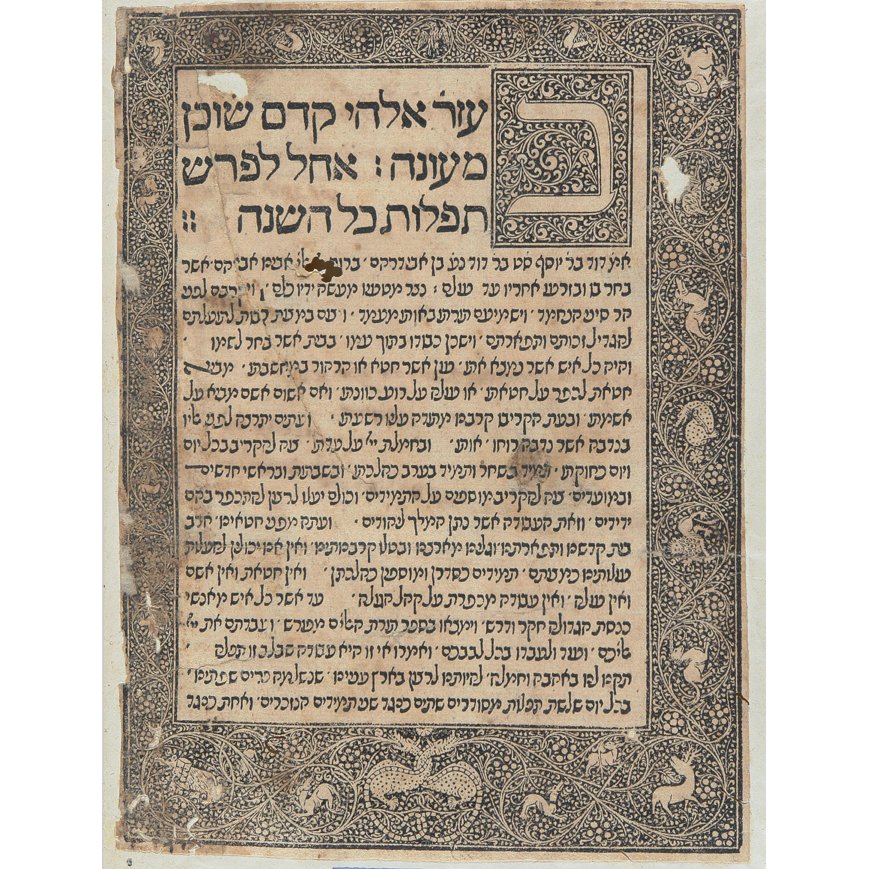
First edition of the "Sefer Abudarham", published in Lisbon in 1489.

“Sefer Abudarham”, the first book printed in Africa

The first edition of the “Sefer Abudarham” took place in Lisbon in 1489 by the printer Eliezer Toledano. Hebrew printing in Portugal became impossible after the expulsion of the Jews from this country in 1497. Among the exiles who left the country was Samuel ben Isaac Nedivot, who had worked in Eliezer Toledano’s printing house. Samuel and his son Isaac founded a printing house in the city of Fez and for their first printing they again chose the “Sefer Abudarham”. Its first edition dates from 1516, thus becoming the first book in history printed on the African continent.

YOM TOV BEN ABRAHAM ISHBILI

YOM TOV BEN ABRAHAM ISHBILI

(c. 1250 - c. 1330)

He was a distinguished Talmudist, jurist and treatise writer who lived between the 13th and 14th centuries. He was endowed with a clear and keen mind, and is known to have been a student of Aaron ha-Levi and Solomon Adret in Barcelona. He became involved in a controversy with the German Rabbi Dan Ashkenazi, who had emigrated to Spain.

Yom-Tov's voluminous works include valuable short novels on many of the Talmudic treatises and commentaries on the writings of Alfasi and Naḥmanides. His main published novels are: 'Erubin, Ta'anit, Mo'ed Ḳaṭan, Ketubot and Baba Meẓi'a (Amsterdam, 1729; Prague, 1810), Ta'anit and Mo'ed Ḳaṭan (Prague, 1811), Ḥullin (Prague, 1735), Giṭṭin (Thessaloniki, 1758), Yebamot (Leghorn, 1787), Shabbat (Thessaloniki, 1806), Yoma (Constantinople, 1754; Berlin, 1860), 'Abodah Zarah (Ofen, 1824) and Rosh ha-Shanah (Königsberg, 1858).

Most of his novels have been collected under the title "Ḥiddushe ha-Riṭba" (Lemberg, 1860), while some of his commentaries on haggadic passages are collected in "En Ya'aḳob" (Berlin, 1709).

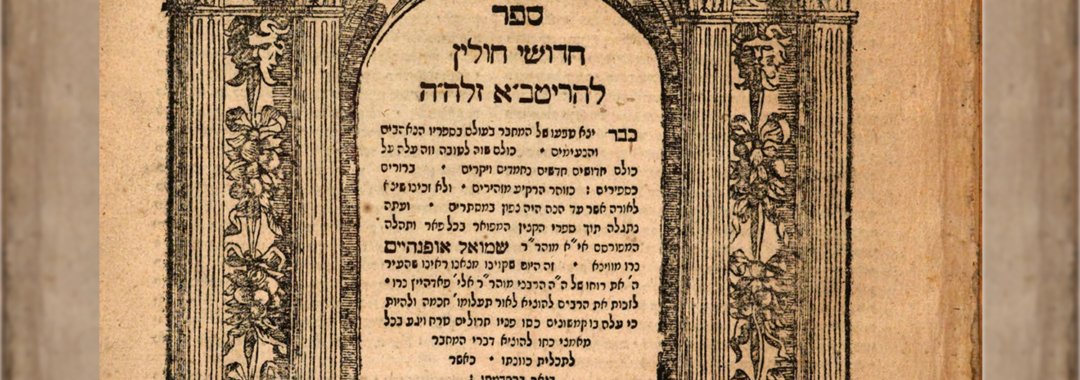
Primera edición del "Ḥidushe Ḥulin" de Yom Tov Ben Abraham Ishbili, publicado en Praga en 1735.

IBN SAHL AL-ISRA’ILI

IBN SAHL AL-ISRA'ILI

(c. 1206 - c. 1246)

Also known as Ibn Sahl of Seville, he was a Sevillian poet of Jewish origin, greatly admired in his time and today one of the most outstanding figures of Andalusian poetry.

Apparently his entire family converted to Islam, probably as a result of the religious zeal of the Almohads, who controlled Al Andalus from the mid-12th century. Traditionally, it has been doubted whether it was a sincere conversion and doubts about his authentic faith have been constant in studies of his figure and his work.

Whatever the case, it is clear that Ibn Sahl went to Islamic school and studied with the best Muslim teachers of his time, achieving a complete mastery of Arabic grammar and literature, as well as the Koran and the tradition of the Prophet.

From his youth, the Sevillian poet showed his predilection for male company and many of his poems make clear his homosexual inclinations. In his earlier years, he was inseparable from his fellow student Abū l-Ḥasan Ibn Sa‛īd and in many of his poems he will show his passion for various boys, especially for a young Jewish man named Mūsà, to whom Sahl will dedicate a third of his literary work.

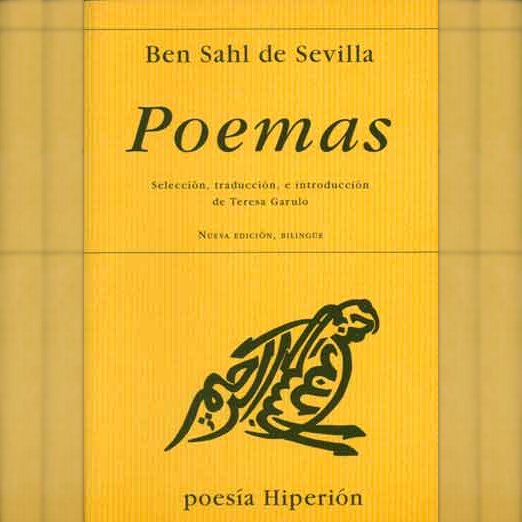
Antología de la obra de Ibn Sahl al-Isra'ili, publicada bajo el título "Ben Sahl de Sevilla. Poemas". Selección, traducción y edición de Teresa Garulo (Hiperión, 1984)

He began to devote himself professionally to poetry at the age of 23 and went to Menorca, where he was part of the literary court of its governor, Sa‛īd b. Ḥakam. After some time, he returned to Seville, where he worked as secretary of the administration in Seville. However, around 1237 he was called by the governor of Ceuta Ibn Jallas to serve as his minister. In this city he surrounded himself with poets, scholars and writers.

In Ceuta, a new boy, this time a Muslim called Muhammad, became the object of Sahl's passions, replacing the Hebrew Mūsà. Some authors have pointed out that both boys could be allegorical representations of Islam and Judaism.

The governor of Ceuta named his son ambassador to Tunisia and sent him to this city with a delegation that included our poet. The ship they were travelling on was shipwrecked and Ibn Sahal lost his life when he was about 40 years old (c. 1247).

His poetic work is among the most important in the history of Al-Andalus. He wrote mainly love poems, although there are also other laudatory or descriptive compositions. He had a sweet and delicate character, as well as a great command of linguistic resources. His fame was such that some of his verses became authentic Andalusian proverbs.

JOHANNES HISPALENSIS

JOHANNES HISPALENSIS

(12th century)

Hispanicized as Juan Hispalense, he was a translator from Arabic who developed his career mainly between 1135 and 1153. He was a Jewish convert to Christianity and his original name is unknown, although traditionally it has been attributed to him as Avendeuth. Some authors also refer to him as Johanes Toletanus, since there is a possibility that he was born in Toledo.

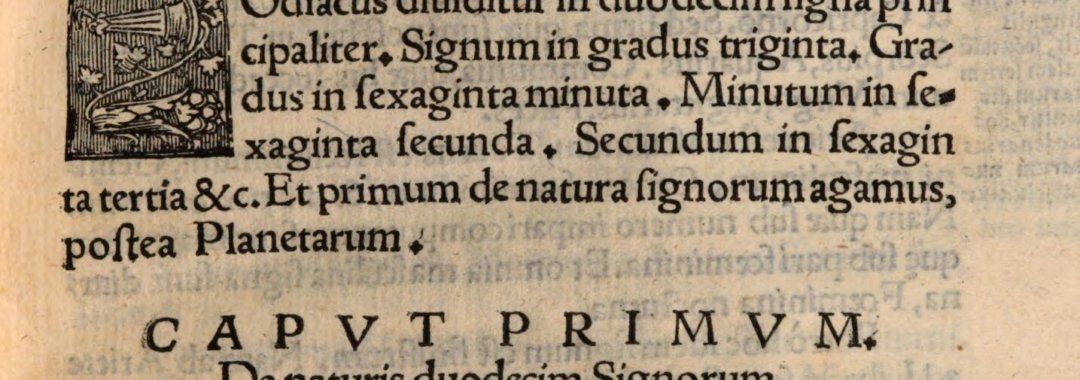
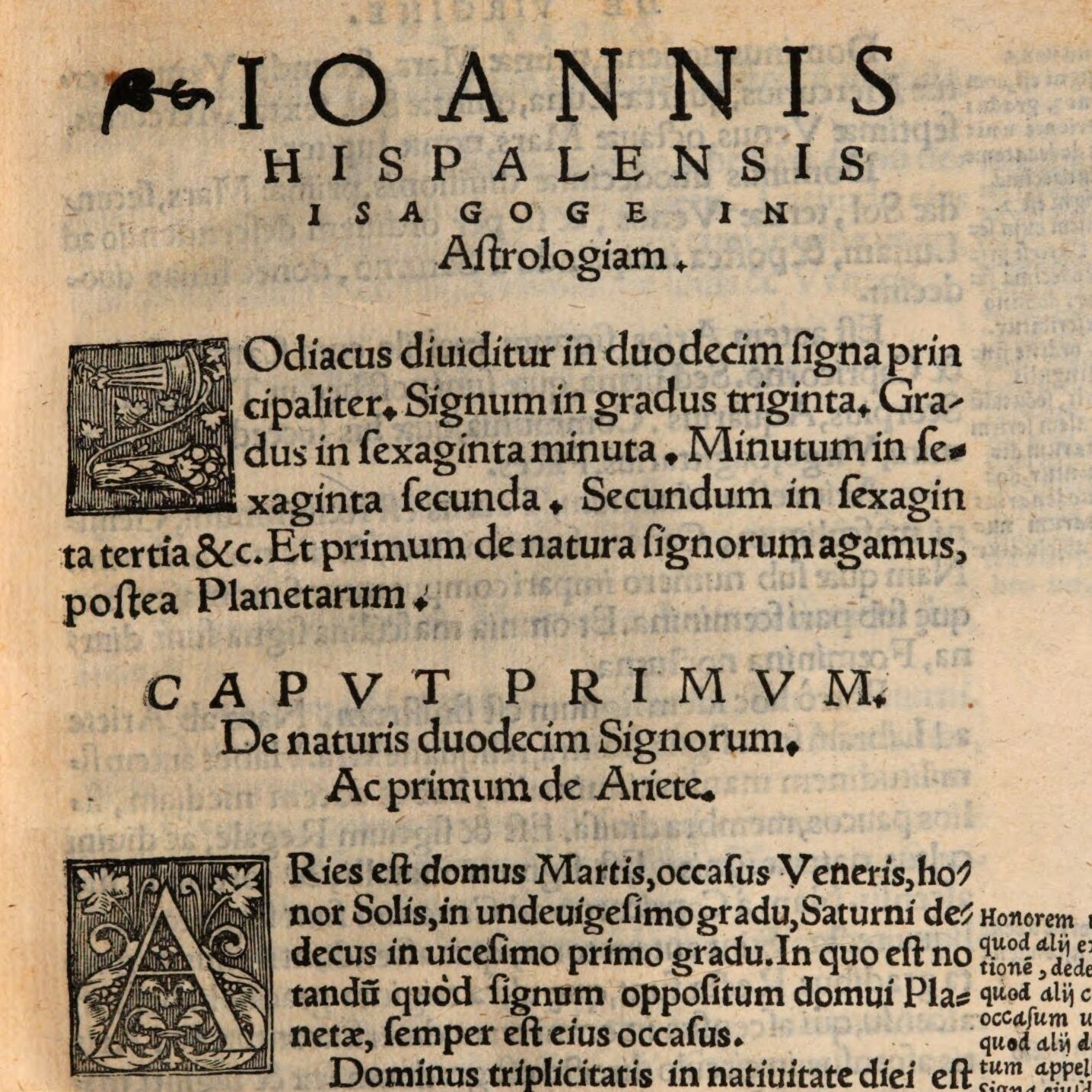
According to Steinschneider, Johannes developed part of his work in the service of the philosopher and translator Dominicus Gundisalvi. He translated mainly astrological and astronomical works, as well as some philosophical and some medical works. With the help of Gundisalvi he translated Gabirol's "Fons Vitæ" from Arabic into Latin. In 1142, Johannes compiled from Arabic sources his "Epitome Totius Astrologiæ" (Nuremberg, 1548).

First edition of "Epitome Totius Astrologiæ", published in Nuremberg in 1548.

BARUCH BEN ISAAC ALBALIA

BARUCH BEN ISAAC ALBALIA

(1077-1126)

Judge and director of a yeshiva (academy for the study of scriptures) in Cordoba. He was born in Seville, the son of Isaac Albalia. When he was only 17 years old, he moved to Lucena after his father's death, following his father's express wish. The aim was to get Rabbi Isaac Alfasi to abandon the hostility he had long harbored towards his father, and to accept him as a student at Alfasi's academy. He studied there for nine years, together with the also Sevillian Joseph Ibn Migash. After Alfasi's death, Albalia became judge and director of the yeshiva in Cordoba, becoming a great expert in Greco-Arabic philosophy. Among his colleagues were personalities such as Judah Halevi and Moses Ibn Ezra.

As a sign of the importance and influence he achieved among the Hebrew philosophers and Talmudists of the time, several of them dedicated various literary compositions of praise to him. For example, Halevi makes a pun in a poem that says:

In one of Halevi's poems there is a pun:

His name is ‘Baruch’ [blessed], and he, like his name, is blessed, and all who bless themselves with his name, are, in turn, blessed (Divan, ed. by H. Brody, 1 (1935), 120)

ISAAC BEN BARUCH ALBALIA

ISAAC BEN BARUCH ALBALIA

(1035-1094)

Astronomer and Talmudist who became part of the court of King Al-Mu'tamid of Seville as an astrologer. Isaac was born in Cordoba and, according to Ibn Daud, in his youth he had as his teacher the French scholar Rabbi Perigors. He also had a close relationship with Samuel ben Joseph ha-Nagid and with his son Jehoseph ben Samuel ha-Nagid, to whom he dedicated in 1065 his calendrical work Maḥberet Sod ha-Ibbur (“The Secret of Intercalation”). It is known that when Jehoseph died in 1066, Isaac spent large sums of money on rebuilding the family library that had been dispersed.

In 1069 Al-Mu'tamid, King of Seville, appointed him to his entourage as a court astrologer, and also rabbi and nasi (prince) of the Jews in his kingdom. R. Isaac used his influence at court to improve the status of the Jews in the kingdom. Isaac was renowned for his great scholarship, both in general and in Jewish studies.

At the age of 30, he began writing his “Kuppat ha-Rokhelim” (“The Spice-Sellers’ Basket”), a commentary on difficult passages in the Talmud, but did not complete it.

Two of Albalia’s responsa have been preserved:

- One on the laws of “ẓiẓit” in “Temim De’im” by Abraham b. David de Posquières (no. 224).

- One in Arabic in “Toratam shel Rishonim” (ed. by Ch. M. Horowitz, 2 (1881), 36–38).

JOSEPH IBN MIGASH

JOSEPH IBN MIGASH

(1077-1141)

A rabbi and Talmudist born in Seville who became the head of the school of Lucena, a city that experienced a true splendour of Jewish culture between the 9th and 12th centuries. His family was from Granada, which is why some authors claim he was born in this city, but it is clear that Ibn Migas spent his childhood in Seville.

As a child, he began to show his inclination for the study of the Talmud and at the age of 12 he was sent to Lucena, where he was trained for 14 years. The rabbi who directed this academy, Isaac Alfasi, named him his successor in 1103, passing over his own son, which shows the worth of Ibn Migas. He was at the head of the study centre in Lucena for thirty-eight years, during which time he increased the fame of the school of Lucena and his own prestige. Among his students were personalities such as Maimun, the father of the famous Maimonides.

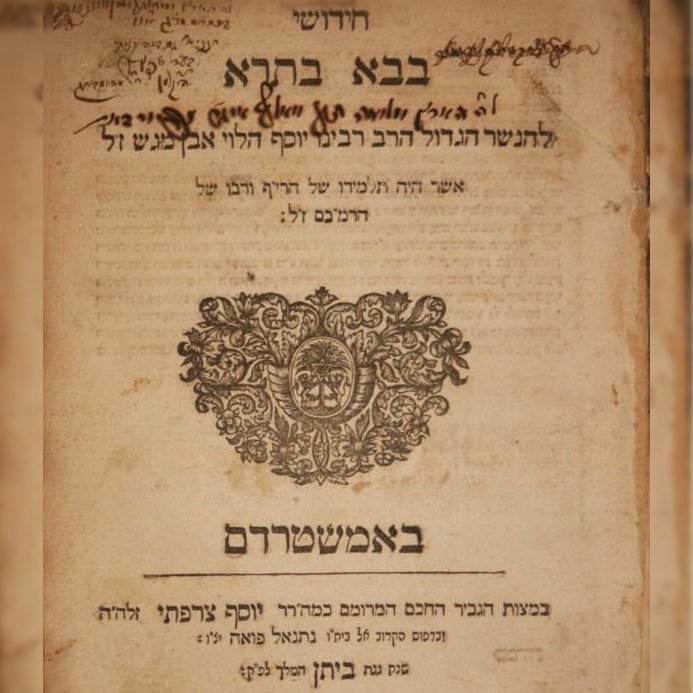
First edition of Joseph ibn Migash's commentary on the Bava Batra treatise (Amsterdam, 1702)

Among his works the following may be noted:

  • Responsa (Saloniki, 1791; Warsaw, 1870), two hundred and fourteen of which were collected by Joseph Elijah ha-Levi, partially translated from the Arabic and published from a poor manuscript. Many of his responsa are found in Bezaleel Ashkenazi's "Shiṭṭah Meḳubbeẓet" and in Azulai's "Birke Yosef"; and a few appear in Maimonides' collection of letters "Pe'er ha-Dor" (nos. 211 et seq.).
  • Commentaries on the Talmud (Menahem Meïri, "Bet ha-Beḥirah", in Neubauer, "M. J. C." ii. 228), of which the following have been preserved:

- Novellæ on Baba Batra, quoted among others by Zerahiah ha-Levi and by Solomon ben Adret

- Ḥiddushim on Shebu'ot, mentioned in the "Pe'er ha-Dor", No. 145 (first printed in Prague, 1809, in "Uryan Telitai"; together with other novels, ib. 1826).

Migash's work is characterized by an emphasis on clarity and intelligibility, sometimes giving two or more explanations of the same passage. He argued that it would be impossible to obtain religious decisions directly from the Talmud without using those of the Geonim ("Teshubot"). As an example of the fame he achieved, we can quote Maimonides, who in the introduction to his commentary on the Mishnah (Pococke, "Porta Mosis", p. 108), said of him:

The Talmudic erudition of this man astonishes everyone who understands his words and the depth of his speculative spirit; so much so that it could almost be said of him that there has never been an equal.